Tire Shine Dressings: Gloss, Satin or Long Wear
Meguiar’s Endurance Tire Gel is our top pick for deep gloss that survives several washes. Chemical Guys VRP is the versatile choice because it works on trim and rubber too, and CarPro PERL is the pick for a natural satin finish with almost no sling.
If you want long-lasting gloss, Meguiar’s Endurance Tire Gel is the strongest pick, Chemical Guys VRP is the most versatile bottle to own because it handles trim as well as tires, and CarPro PERL delivers the natural satin look with the least sling.
Tire dressings are tricky because the two things buyers want, immediate wet-look gloss and long durability, tend to pull against each other, and the glossiest solvent-based products are also the ones that sling onto paintwork and attract dust. We compared formulation types, published durability claims, application methods and the recurring themes in owner reports about browning and sling, then ranked on finish quality balanced against how the product behaves a week later.
What we recommend

Meguiar’s Endurance Tire Gel
The reference product for high gloss that actually survives weather, with a thick gel that clings to the sidewall rather than running off. Applied thinly with a proper applicator it gives a deep wet look that holds through several washes. Applied too heavily it slings, which is the source of most complaints about it.
Pros
- Deep gloss that lasts well
- Thick gel does not run down the sidewall
- Widely available and consistently stocked
Cons
- Slings badly if applied too heavily
- Gloss level is too much for some tastes
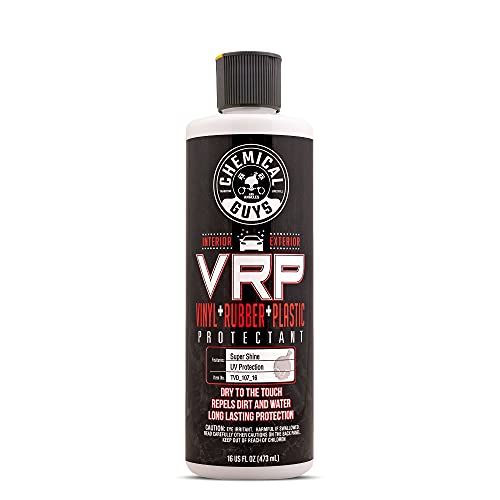
Chemical Guys VRP Dressing
VRP stands for vinyl, rubber and plastic, and that versatility is why it earns a place in most kits. Dilute it for a satin interior finish or use it neat on tires for a richer look. Water-based chemistry means it does not attract dust the way solvent dressings do, and clean-up is simple.
Pros
- One bottle covers tires, trim and interior
- Adjustable finish through dilution
- Attracts less dust than solvent products
Cons
- Less durable than dedicated gel dressings
- Needs reapplication after heavy rain

Adam’s Polishes Tire Shine
A spray-on formula designed to level itself, which makes an even finish easier to achieve than with gels that show applicator streaks. It suits people who dress tires quickly after every wash rather than as an occasional detailing project. Coverage per bottle is lower than gel products because spraying is inherently less efficient.
Pros
- Fast and even application
- Self levelling reduces streaks
- Pleasant to use on a routine wash day
Cons
- Overspray onto wheels needs wiping
- Bottle empties faster than gels

CarPro PERL
PERL is a concentrate you dilute to taste, which is why detailers like it. A stronger mix gives a richer tire finish and a weaker mix gives a factory satin look on trim and engine bays. It slings very little once levelled, and a single bottle goes a remarkably long way after dilution.
Pros
- Very economical after dilution
- Natural finish rather than greasy shine
- Extremely versatile across surfaces
Cons
- Requires mixing before use
- Less dramatic gloss than gel dressings

Armor All Extreme Tire Shine Gel
The easiest dressing to find at short notice, and perfectly serviceable for a quick refresh before a weekend. The gel applies with the included applicator and delivers strong immediate gloss. Durability is shorter than premium gels, so expect to reapply after rain rather than after several washes.
Pros
- Cheap and easy to find
- Strong immediate gloss
- Applicator included in the pack
Cons
- Needs reapplication after rain
- Can sling if not levelled properly

303 Automotive Tire Balm
303 concentrates on protecting rubber from UV degradation rather than maximising shine, so the finish is a restrained satin. That makes it the right choice for owners who care about sidewall cracking and browning over years rather than appearance this weekend. It is also a good match for cars kept outdoors permanently.
Pros
- Genuine UV protection focus
- Understated finish that suits many cars
- Water based, low sling
Cons
- Little visual drama for shine seekers
- Needs regular reapplication to protect

Griot’s Garage Black Shine Tire and Trim Spray
This one earns its place by bringing faded black plastic trim back to a deep colour, and it handles tires competently as a secondary use. If your car has sun-bleached bumper trim or wheel arch mouldings, that is the problem this solves. On tires alone, the dedicated gels give better durability.
Pros
- Noticeably revives faded trim
- Even satin black finish
- Quick spray application
Cons
- Tire durability behind dedicated gels
- Needs careful masking near paint
How to choose
Water based and solvent based dressings behave differently Water based dressings sit lighter on the rubber, sling less and attract less dust, but generally need reapplication more often. Solvent based dressings deliver stronger gloss and longer wear, though the heavier ones can attract dust and, in aggressive formulations, dry out rubber over time. Most modern consumer products are water based or hybrid formulations, which is generally the safer choice for a car you keep.
Sling is an application problem more than a product problem Sling happens when excess dressing sits on the sidewall and centrifugal force throws it onto the paint at speed. The fix is thin application, levelling with a clean applicator, and letting the product set before driving. Two thin coats look better and sling less than one heavy coat. If a product slings even when applied thinly, it is too heavy for driving use and belongs on a show car.
Preparation matters more than the dressing you choose Dressing applied over old dressing, brake dust and road film gives a patchy finish that fails quickly. Scrub the sidewalls with a dedicated tire cleaner and a stiff brush until the foam runs clear, then let them dry fully. Tires that have never been properly stripped often need two cleaning passes before the first dressing looks even. This single step separates good results from disappointing ones.
Decide what finish you actually want before buying Wet-look gloss suits show cars and photographs, and it is what most marketing images show. A satin factory finish looks more natural on daily drivers and hides road grime better between washes. Long-wear products often trade some gloss for durability. Buying a high-gloss gel when you actually wanted a clean satin look is the most common mismatch in this category.
The lineup, side by side
| # | Model | Finish | Best for | Score | Price |
|---|---|---|---|---|---|
| 1 | Meguiar’s Endurance Tire Gel | High gloss wet look | Best overall | 9.4 | Check price |
| 2 | Chemical Guys VRP Dressing | Water based dressing | Best value | 9.2 | Check price |
| 3 | Adam’s Polishes Tire Shine | Spray | Best spray application | 9.0 | Check price |
| 4 | CarPro PERL | Dilutable water based concentrate | Best natural finish | 8.8 | Check price |
| 5 | Armor All Extreme Tire Shine Gel | Gel with applicator | Best budget | 8.6 | Check price |
| 6 | 303 Automotive Tire Balm | UV protection for rubber | Best for tire protection | 8.3 | Check price |
| 7 | Griot’s Garage Black Shine Tire and Trim Spray | Tires and exterior trim | Best for trim restoration | 8.0 | Check price |
Good to know
How do I stop tire shine slinging onto my paint?
Apply thinly, level with a clean applicator to remove excess, and let the product set for fifteen to thirty minutes before driving. Two thin coats sling far less than one heavy coat. Water based dressings are also less prone to sling than heavy solvent gels.
Does tire shine damage tires?
Modern water based dressings are formulated to be safe and often add UV protection. Older aggressive solvent products could dry out rubber over time. Choosing a water based dressing avoids the concern entirely for normal use.
How long does tire dressing last?
Anywhere from one rain shower to several washes, depending on the formula and application. Thick gels applied to properly cleaned tires last longest. Sprays and water based dressings generally need reapplication every couple of weeks in regular driving.
Why do my tires turn brown after cleaning?
Browning comes from antiozonants blooming to the surface of the rubber, which is a normal protective process. It is removed with a dedicated tire cleaner and a stiff brush. A regular dressing routine slows the visible browning between cleans.
Should I use a gel or a spray?
Gels give more control, better coverage per bottle and generally longer durability. Sprays are faster and easier to apply evenly but use more product and require masking to avoid overspray onto wheels and paint.
Can I use tire dressing on trim and bumpers?
Some products are designed for it, including VRP, PERL and the Griot’s Garage spray. Dedicated tire gels are usually too heavy for trim and can look greasy. Check the label before applying anything to painted or textured surfaces.
How should I clean tires before dressing?
Use a dedicated tire cleaner with a stiff brush and work until the foam rinses clear. Old dressing layers, brake dust and road film all prevent a new dressing from bonding evenly, which is the main cause of patchy results.
Is the wet look or satin finish better?
It is purely preference. Wet-look gloss photographs well and suits show cars. Satin looks closer to a new tire and stays presentable longer between cleans on a daily driver. Dilutable products let you choose your own point between the two.
Our pick
Meguiar’s Endurance Tire Gel remains the pick for anyone chasing durable gloss, provided you apply it thinly enough to keep it off your paintwork. Chemical Guys VRP is the more useful bottle to own overall because it covers tires, trim and interior, and CarPro PERL is the detailer’s choice for a natural finish with real economy. Clean the sidewalls properly first, because no dressing looks good over old product.


