Trailer Hitches Compared: Fixed vs Adjustable Mounts
The B&W Tow & Stow Adjustable Ball Mount takes the top spot for its swing away ball head and wide drop range. The CURT 45900 Adjustable Trailer Hitch Ball Mount is the better value for occasional towing. For aluminium light weight and built in scale, the Weigh Safe 180 Hitch stands apart.
If you tow more than one trailer, the B&W Tow & Stow Adjustable Ball Mount is the pick, followed by the CURT 45900 Adjustable Trailer Hitch Ball Mount for lighter duty and the Weigh Safe 180 Hitch when tongue weight matters.
Hitch shopping gets confusing because the receiver on the vehicle, the ball mount and the ball itself are three separate ratings, and the lowest of the three governs what you can safely tow. We compared published gross trailer weight and tongue weight ratings, shank sizes, drop and rise ranges, ball diameters and finish quality, then weighed what owners report about rattle, rust and how quickly each unit swaps between trailers.
The best picks, ranked

B&W Trailer Hitches Tow & Stow Adjustable Ball Mount
B&W solves two problems at once with a multi ball head that flips between sizes and swings under the bumper when not towing. The adjustable shank covers a wide range of drop and rise, so one unit handles a boat trailer and a utility trailer without swapping parts. Construction is solid steel with a durable powder coat.
Pros
- Swings out of the way when parked
- Covers several trailers with one mount
- Heavy duty steel build
Cons
- Heavier than aluminium mounts
- Premium outlay

CURT 45900 Adjustable Trailer Hitch Ball Mount
CURT’s channel style adjustable mount lets you set the ball platform at several heights with a pinned adjustment, which covers most towing height mismatches. The finish resists corrosion well for a steel mount and the design is simple enough to adjust roadside. It is the sensible choice for someone towing a single trailer that sits slightly off level.
Pros
- Straightforward height adjustment
- Good value for the capacity
- Widely available parts
Cons
- Ball sold separately in some kits
- Pins can seize if neglected

Weigh Safe 180 Hitch Adjustable Aluminium Ball Mount
Weigh Safe integrates a tongue weight gauge into the shank, so you can read the load on the ball without a separate scale. That is genuinely useful for anyone loading a trailer themselves, since incorrect tongue weight is a leading cause of sway. The aluminium body keeps the weight down while a stainless ball resists rust.
Pros
- Reads tongue weight directly
- Lighter to handle
- Stainless ball resists rust
Cons
- Gauge needs level ground for accuracy
- Aluminium marks more easily

Andersen Hitches Rapid Hitch Aluminium Adjustable Ball Mount
Andersen builds its Rapid Hitch from aluminium with a stainless steel ball, cutting the weight enough that lifting it into the receiver is a one hand job. The adjustment slides and pins quickly, which makes changing trailers less of a chore. Owners report it stays free of the rust streaks that plague plain steel mounts.
Pros
- Very light to handle
- Stainless ball stays clean
- Fast to adjust
Cons
- Lower capacity than heavy steel units
- Aluminium scuffs over time

Reese Towpower Interlock Ball Mount
Reese keeps this one uncomplicated with a fixed drop ball mount built from solid steel. There is nothing to adjust, which also means nothing to work loose or rattle over time. If your trailer sits level with a known drop, a fixed mount is the quietest and most durable answer.
Pros
- No moving parts to loosen
- Quiet in the receiver
- Durable finish
Cons
- Fixed drop only
- Not useful across multiple trailers
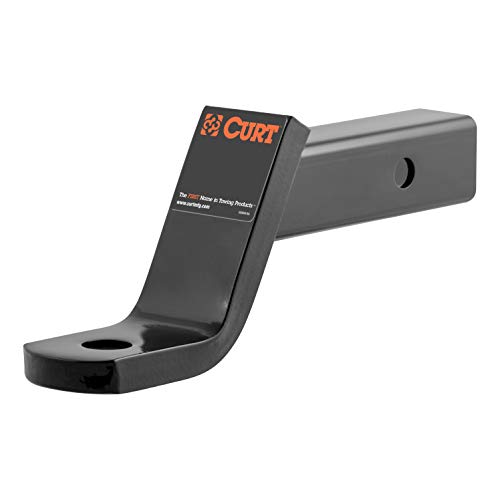
CURT 45036 Class 3 Trailer Ball Mount
This is the plain steel fixed mount that covers everyday Class 3 towing, from utility trailers to small campers. It has a modest drop that suits many trucks and SUVs straight from the factory. Based on specifications it carries a solid gross trailer weight rating for its category.
Pros
- Inexpensive and dependable
- Common replacement part
- Straightforward install
Cons
- No adjustment
- Coating chips with use

Husky Towing Adjustable Tri-Ball Mount
Husky’s tri ball design puts three common ball diameters on one head, so you rotate the mount rather than unbolting a ball. It suits anyone who tows a mix of small utility, boat and camper trailers with different coupler sizes. The trade off is a bulkier head that hangs lower behind the bumper.
Pros
- Three ball sizes ready to go
- No tools to change balls
- Good for mixed trailers
Cons
- Bulky behind the bumper
- Unused balls can catch shins
Before you buy
Match the class before anything else Hitch classes run from Class 1 through Class 5, and each step up raises the gross trailer weight and tongue weight the system can carry. The weakest link governs, so a Class 3 receiver paired with a Class 5 ball mount is still a Class 3 setup. Check the sticker on your vehicle’s receiver and the tow rating in the owner’s manual, then choose a ball mount that meets or exceeds both without assuming a bigger mount raises your capacity.
Getting the trailer level with drop and rise A trailer that noses down or tail drops shifts weight away from where the axles expect it, which causes uneven tyre wear and sway at highway speed. Measure from the ground to the top of the receiver opening, then from the ground to the bottom of the trailer coupler, and the difference is the drop or rise you need. Adjustable mounts earn their place here, because vehicle height changes when the bed is loaded.
Ball size, tongue weight and coupler match Trailer couplers are stamped with a ball diameter, and common sizes are one and seven eighths, two inch and two and five sixteenths. Using the wrong ball is a real safety issue because the coupler will not latch properly. Tongue weight should generally sit around ten to fifteen percent of the loaded trailer weight, and getting that wrong is the most common cause of trailer sway.
Reducing rattle and keeping the mount serviceable Play between the shank and the receiver produces the clunk most owners notice first. An anti rattle clamp or a threaded hitch pin removes most of it, and it also reduces wear on both parts. Grease the ball before towing, keep the pin holes clean, and store steel mounts out of the weather. Aluminium mounts avoid rust but still benefit from a wipe down after salted roads.
Compared at a glance
| # | Model | Ball sizes | Best for | Score | Price |
|---|---|---|---|---|---|
| 1 | B&W Trailer Hitches Tow & Stow Adjustable Ball Mount | Multi ball head | Best overall | 9.4 | Check price |
| 2 | CURT 45900 Adjustable Trailer Hitch Ball Mount | Channel style adjustable | Best value | 9.2 | Check price |
| 3 | Weigh Safe 180 Hitch Adjustable Aluminium Ball Mount | Integrated tongue weight gauge | Best for tongue weight control | 9.0 | Check price |
| 4 | Andersen Hitches Rapid Hitch Aluminium Adjustable Ball Mount | Aluminium | Best lightweight adjustable | 8.7 | Check price |
| 5 | Reese Towpower Interlock Ball Mount | Fixed drop ball mount | Best for a single trailer | 8.5 | Check price |
| 6 | CURT 45036 Class 3 Trailer Ball Mount | Class 3 | Best budget | 8.3 | Check price |
| 7 | Husky Towing Adjustable Tri-Ball Mount | Three diameters on one head | Best for multiple ball sizes | 8.0 | Check price |
Good to know
How do I know what hitch class my vehicle has?
Look for a rating label on the receiver itself, which lists the maximum gross trailer weight and tongue weight. Your owner’s manual confirms the vehicle tow rating, and the lower of the two applies.
Does a bigger ball mount increase my tow rating?
No. The lowest rated component in the system sets the limit, and that is usually the vehicle or the receiver. Upgrading the ball mount alone changes nothing about what you can safely tow.
What ball size do I need?
Check the stamp on your trailer coupler. It will state the required diameter, and only that size will latch correctly. Multi ball mounts exist precisely because owners tow trailers with different couplers.
Should the trailer sit perfectly level?
Level or very slightly nose down is the target for most conventional trailers. That keeps weight distribution close to what the axles were designed for and reduces sway.
Why does my hitch rattle so much?
Receivers are built with clearance so mounts slide in easily, and that clearance becomes movement on the road. An anti rattle device or threaded pin takes up the slack.
Are aluminium ball mounts strong enough?
Yes, when you buy one rated for your load. Reputable aluminium mounts carry published weight ratings just like steel, and they resist corrosion better while being easier to lift.
Do I need a weight distribution hitch?
It becomes worth considering as trailer weight approaches or exceeds around half the tow vehicle weight, or when the rear of the vehicle sags noticeably. Many manufacturers specify a threshold in the owner’s manual.
How often should I check my hitch hardware?
Give it a visual check before every trip, confirm the coupler latch and safety chains, and inspect the ball for wear or looseness at the start of each towing season.
Final word
The B&W Tow & Stow Adjustable Ball Mount is the one to buy if you tow more than one trailer, since the swing away head and wide adjustment range replace a drawer full of fixed mounts. The CURT 45900 covers lighter duty towing at a friendlier outlay, and the Weigh Safe 180 Hitch is worth the premium if you load your own trailers and want tongue weight visible before you pull away.