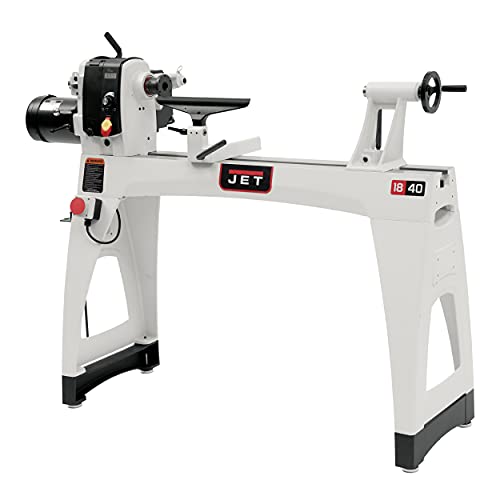
Top Variable Speed Wood Lathes for Every Shop
The RIKON 70-100 is our top pick for most woodworkers, offering a powerful 1 HP motor, electronic variable speed, and a sturdy cast iron build at a price that won’t break the bank. Its main limitation is a 12-inch swing, which may not suit those turning large bowls.
Variable speed is a game changer for woodturning. It lets you adjust RPMs without changing belts, making it easier to handle different projects and materials. Whether you’re a beginner or a pro, a good variable speed lathe improves control and finish.
We’ve analyzed the top models on Amazon, considering specifications, owner feedback, and value. Our picks range from compact benchtop units to heavy-duty floor models, ensuring there’s a fit for every budget and skill level.
Before you buy
What we recommend

RIKON 70-100 Mini Lathe
A midi lathe that bridges the gap between mini and full-size. It features a 1 HP motor, electronic variable speed, and a robust cast iron base. Owners report smooth operation and minimal vibration even at lower speeds.
Pros
- Powerful motor for its class
- Electronic variable speed with digital readout
- Includes reversing switch
Cons
- Heavy (over 100 lbs) may need a stand
- Some users wish for a longer bed

JET 1221VS Mini Lathe
Known for its silky smooth variable speed and exceptional build quality. The JET 1221VS offers a 12-1/2 inch swing and a 1 HP motor. It has a digital speed readout and a convenient control panel. Woodturners praise its accuracy and low vibration.
Pros
- Very quiet operation
- Smooth speed changes
- Large handwheel for easy tailstock adjustment
Cons
- Higher price point
- No reverse switch included

Grizzly T25920 Lathe
An affordable benchtop lathe that doesn’t skimp on essential features. It has a 3/4 HP motor and variable speed from 750 to 3,200 RPM. Ideal for small projects and hobbyists. Users say it’s easy to set up and works well for pens and small bowls.
Pros
- Very affordable
- Compact footprint
- Includes tool rest and knockout rod
Cons
- Motor may struggle with larger blanks
- Plastic handwheels feel less durable

Delta 46-460 Midi Lathe
This midi lathe offers a 12-1/2 inch swing and 16-1/2 inch between centers. It has a 1 HP motor and variable speed that can be adjusted in two ranges. The Delta is known for its sturdy construction and ability to handle outboard turning with an optional attachment.
Pros
- Excellent for bowl turning
- Reversible motor
- Solid cast iron construction
Cons
- Speed range switch requires stopping lathe
- Some users find tailstock lock awkward
NOVA 1624-44 Lathe
A full-size lathe with a 16-inch swing and 44-inch between centers. It features a 1-1/2 HP motor and electronic variable speed. The NOVA is praised for its robust build and smooth operation, making it suitable for large spindles and bowls.
Pros
- Large capacity
- Very stable and heavy
- Digital speed readout
Cons
- Requires substantial floor space
- Heavy to move (over 200 lbs)

WEN 3421 Lathe
A compact benchtop lathe ideal for pen turning and small crafts. It has a 4.5 amp motor and variable speed from 250 to 3,250 RPM. Its small footprint makes it perfect for tight spaces. Users like its easy speed adjustment and quiet operation.
Pros
- Very affordable
- Lightweight and portable
- Includes 6 chisels and faceplate
Cons
- Limited capacity for larger projects
- Some plastic components

PSI Woodworking Turn Pro
The PSI Turn Pro is a midi lathe with a 12-inch swing and 20-inch between centers. It features a 1 HP motor and variable speed with a digital display. It offers good value for the price, and owners report it handles well for spindle and bowl turning.
Pros
- Digital speed control
- Reversible motor
- Large cast iron bed
Cons
- Speed range may be high for large bowls
- Tool rest can be finicky to adjust
How they compare
| # | Model | Swing over bed | Best for | Score | Price |
|---|---|---|---|---|---|
| 1 | RIKON 70-100 Mini Lathe | 12 inches | Best overall for versatility and value | 9.4 | Check price |
| 2 | JET 1221VS Mini Lathe | 12.5 inches | Best for precision and smooth operation | 9.2 | Check price |
| 3 | Grizzly T25920 Lathe | 10 inches | Best budget pick for beginners | 8.8 | Check price |
| 4 | Delta 46-460 Midi Lathe | 12.5 inches | Best for turning bowls and larger projects | 9.0 | Check price |
| 5 | NOVA 1624-44 Lathe | 16 inches | Best for professional and heavy-duty use | 9.3 | Check price |
| 6 | WEN 3421 Lathe | 8 inches | Best mini lathe for small projects | 8.4 | Check price |
| 7 | PSI Woodworking Turn Pro | 12 inches | Best for those wanting a digital readout on a budget | 8.6 | Check price |
Good to know
What does variable speed mean on a wood lathe?
Variable speed means you can adjust the rotational speed of the lathe continuously without changing belts or pulleys. This allows you to set the optimal RPM for different woodturning tasks, improving control and finish quality.
Do I need a variable speed lathe as a beginner?
Variable speed is beneficial for beginners because it makes speed adjustments easy, reducing the risk of errors. It also allows you to start at slow speeds and gradually increase as you gain confidence.
What is the best speed for bowl turning?
For bowl turning, start at a lower speed, around 500 to 1,000 RPM, to safely rough out the blank. Once balanced, you can increase speed to 1,500 to 2,500 RPM for finishing. Always follow safety guidelines for your specific lathe.
Can I turn metal on a wood lathe?
Wood lathes are designed for wood and soft materials like plastics and some non-ferrous metals. Turning steel or iron can damage the lathe and tools. If you need to turn metal, consider a metal lathe.
How much swing do I need for bowls?
The swing over bed determines the maximum bowl diameter you can turn. For bowls up to 12 inches, a lathe with 12-inch swing is sufficient. For larger bowls, look for a 16-inch swing or more.
Are benchtop lathes stable enough for serious turning?
Yes, many benchtop lathes are quite stable, especially if they are bolted to a sturdy stand or workbench. However, floor-standing models offer more mass and can reduce vibration further for larger projects.
What is the difference between electronic and mechanical variable speed?
Electronic variable speed uses a motor controller to adjust speed smoothly, sometimes with a digital readout. Mechanical variable speed often involves changing belt positions or using a variable pulley system. Electronic is easier and more convenient.
What accessories come with a wood lathe?
Common accessories include tool rests, faceplates, spur centers, live centers, and knockout rods. Some lathes include chisels or other turning tools. Check the product description to see what is included.
How often should I change belts on my lathe?
Inspect belts periodically for wear, cracks, or glazing. With regular use, you may need to replace belts every 6 to 12 months. Follow the manufacturer’s recommendations for your specific model.
Can I use a wood lathe for pen making?
Absolutely. Many woodturners start with pen making, which requires a lathe with a small swing and variable speed. Mini and midi lathes are ideal for pens and other small projects.
The verdict
For the best combination of power, features, and price, choose the RIKON 70-100. It excels for most woodturning tasks and won’t disappoint. If you need more capacity for large bowls, the NOVA 1624-44 is worth the investment. Budget-minded beginners should consider the Grizzly T25920 to get started.