Which VR Headset Works Best for Sweaty Workouts?
The Meta Quest 3 is our top overall pick for fitness because it is standalone, light enough for long sessions and has by far the largest workout app library. The Meta Quest 3S is the best value entry point, and the Meta Quest 2 remains the best budget way into VR fitness.
The Meta Quest 3 is the headset we would choose for daily VR workouts, with the Quest 3S offering nearly the same software experience for less and the Quest 2 still viable if you find one cheaply. All three run untethered, which matters more for fitness than any spec on the box.
Picking a headset for exercise is different from picking one for seated gaming, because weight distribution, sweat management and cable freedom become the limiting factors long before graphics do. Fitness app availability also varies dramatically between platforms. We compared weight, balance, tracking behaviour during fast motion and app ecosystems based on specifications, and we weighed what regular users report about fogging, facial interface hygiene and comfort over thirty minute sessions.
The top picks, ranked

Meta Quest 3 Standalone VR Headset
The Quest 3 is standalone, so there is no cable to wrap around your legs during a boxing session, and its pancake lenses make it noticeably slimmer and better balanced than earlier Quest models. Full colour passthrough lets you see your room while playing, which reduces the anxiety of throwing punches near furniture. The stock strap and foam facial interface are the weak points for exercise, and most regular users swap both for an elite style strap and a silicone cover.
Pros
- Largest fitness and rhythm game library available
- Colour passthrough helps avoid furniture
- Slimmer, better balanced than earlier Quest headsets
Cons
- Stock foam interface soaks up sweat
- Battery life limits very long sessions
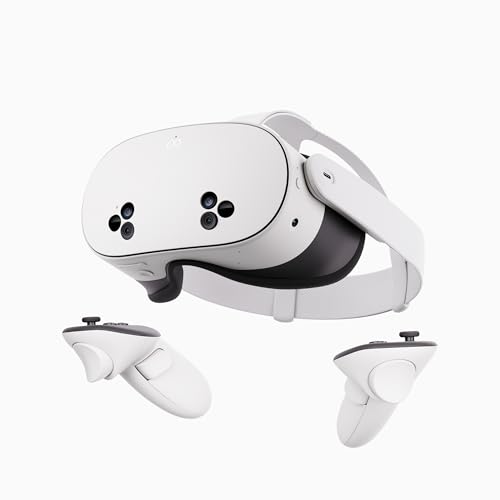
Meta Quest 3S Standalone VR Headset
The Quest 3S runs the same processor and the same complete app catalogue as the Quest 3, so every fitness title behaves identically. It uses older Fresnel lenses, which makes the headset chunkier and slightly less sharp at the edges of vision. For workouts where you are moving rather than reading fine detail, that trade is easy to accept.
Pros
- Identical app library to the Quest 3
- Considerably lower outlay for the same performance
- Colour passthrough included
Cons
- Bulkier and front heavier than the Quest 3
- Fresnel lenses have a narrower sweet spot

Meta Quest 2 Standalone VR Headset
The Quest 2 is still a completely capable fitness headset, running the vast majority of workout apps at good frame rates. It is front heavy with the stock strap and only offers black and white passthrough, so a room boundary needs more care. Given how many are available secondhand and how cheaply they now sell new, it remains the easiest low commitment way to find out whether VR fitness suits you.
Pros
- Cheapest realistic way into VR fitness
- Runs nearly the whole workout app catalogue
- Huge supply of comfort accessories available
Cons
- Front heavy without a strap upgrade
- Monochrome passthrough is less useful for room awareness

Sony PlayStation VR2 Headset
PlayStation VR2 delivers excellent OLED visuals, eye tracking and headset haptics, and it feels well balanced thanks to a halo strap that carries weight on the forehead rather than the face. The catch for fitness is the cable running to the console, which is a genuine hazard during fast rotational movement. Its fitness catalogue is much smaller than the Quest store, though rhythm titles are represented.
Pros
- Excellent OLED image quality and contrast
- Halo strap distributes weight comfortably
- Strong haptics add impact to rhythm games
Cons
- Cable is a real trip hazard during workouts
- Much smaller fitness app catalogue

HTC VIVE XR Elite Headset
The XR Elite puts its battery in the rear of the head strap, which counterbalances the optics and makes it one of the most evenly weighted headsets available for active use. It runs standalone or tethered to a PC, giving flexibility if you also want higher end simulation content. The fitness app library is thin compared with Meta’s, so many owners sideload or stream content instead.
Pros
- Excellent front to back weight balance
- Compact, glasses friendly design
- Works both standalone and with a PC
Cons
- Limited native fitness app catalogue
- Short battery life per charge
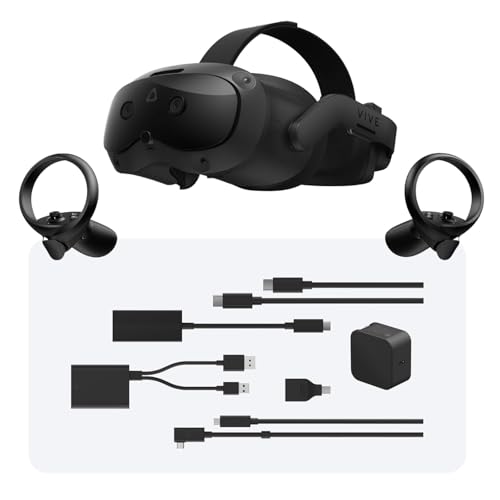
HTC VIVE Focus Vision Headset
The Focus Vision is aimed at enterprise and prosumer use, with hot swappable batteries that let you keep going indefinitely without waiting for a charge. Eye tracking and a solid halo strap make it comfortable for long sessions. It is expensive for a home fitness purchase and its consumer app library is limited, so it suits people who already have a specific use case.
Pros
- Hot swappable battery removes session limits
- Comfortable halo strap for active use
- Solid build aimed at heavy usage
Cons
- Expensive for home fitness use
- Sparse consumer fitness catalogue
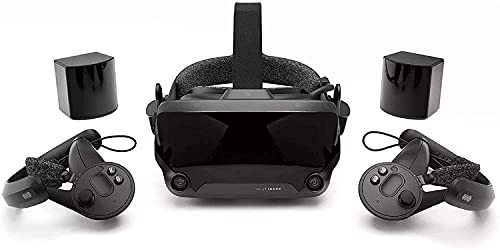
Valve Index VR Full Kit
The Index uses external base stations for outside in tracking, which remains the most reliable method when your hands move behind your head or across your body during fast exercise. Its 144 Hz displays and wide field of view are excellent for immersion. It requires a capable gaming PC, a cable and a permanent room setup, which makes it the least practical option here for casual workouts.
Pros
- Most reliable tracking during fast, occluded movement
- Very high refresh rate and wide field of view
- Excellent off ear audio that avoids sweaty pads
Cons
- Requires a gaming PC and permanent room setup
- Tethered cable restricts movement during workouts
What to look for
Standalone freedom beats raw specifications The single most important factor in VR fitness is whether you can spin, duck and punch without thinking about a cable. Standalone headsets like the Quest range remove that consideration entirely, which is why they dominate workout use despite tethered systems having better displays. If you already own a PlayStation 5 or a gaming PC and want to use VR for exercise, plan for a ceiling pulley system to keep the cable overhead, or accept that you will be managing it constantly.
Weight, balance and why straps get replaced Total headset weight matters less than where that weight sits. A front heavy headset pulls down on your cheekbones and needs to be strapped tighter, which is uncomfortable and causes fogging. Halo straps and rear mounted batteries shift mass backwards so the load rests on your skull rather than your face. Almost every serious VR fitness user replaces the fabric strap that ships with a Quest headset with a rigid strap that has a rear dial, which is a small upgrade with a large comfort payoff.
Sweat, hygiene and the facial interface The foam interfaces included with most headsets absorb sweat, hold odour and cannot be cleaned properly. A silicone or leatherette cover wipes clean in seconds and is the single most useful fitness accessory you can buy. Add a thin sweatband under the interface for intense sessions, keep a microfibre cloth handy for the lenses, and never point the lenses at direct sunlight since they can be permanently damaged in moments. Fogging is usually a sign the headset is too tight or the room is too warm.
What to actually play, and safety in a real room Rhythm and boxing titles drive the most consistent activity, and there are dedicated subscription fitness apps that structure workouts with heart rate tracking through a paired watch. The Quest store carries by far the widest selection, which is the main reason it dominates this list. Whatever you play, set a boundary with genuine clearance, ideally two metres square, and clear low furniture entirely. Ceiling fans and light fittings are the most commonly reported casualty, so check overhead space before your first session.
Side by side
| # | Model | Type | Best for | Score | Price |
|---|---|---|---|---|---|
| 1 | Meta Quest 3 Standalone VR Headset | Standalone, no PC required | Best overall | 9.4 | Check price |
| 2 | Meta Quest 3S Standalone VR Headset | Standalone, no PC required | Best value | 9.2 | Check price |
| 3 | Meta Quest 2 Standalone VR Headset | Standalone | Best budget | 9.0 | Check price |
| 4 | Sony PlayStation VR2 Headset | Tethered to PlayStation 5 | Best for console owners | 8.6 | Check price |
| 5 | HTC VIVE XR Elite Headset | Standalone or PC tethered | Best for weight balance | 8.3 | Check price |
| 6 | HTC VIVE Focus Vision Headset | Standalone with PC streaming | Best for hot swap battery use | 8.1 | Check price |
| 7 | Valve Index VR Full Kit | PC tethered with base stations | Best for tracking precision | 8.0 | Check price |
Good to know
Can VR actually count as real exercise?
Yes, for rhythm and boxing titles, which sustain elevated heart rates comparable to moderate cardio. Pair a fitness watch to see your own numbers rather than relying on in app estimates.
Do I need a PC or console for VR fitness?
No. The Meta Quest 3, Quest 3S and Quest 2 all run standalone. PlayStation VR2 needs a PlayStation 5 and the Valve Index needs a gaming PC, both of which add a cable.
How much space do I need?
Aim for at least two metres by two metres of clear floor, with nothing low to trip on and clearance overhead for raised arms. Ceiling fans and light fittings are the most common casualties.
How do I stop the headset fogging up?
Loosen the strap slightly, let the headset warm to room temperature before use, and use a silicone interface rather than foam. Anti fog wipes designed for lenses also help in cold rooms.
What accessories are worth buying for VR workouts?
A rigid head strap with a rear dial, a silicone facial interface, controller grip straps and a spare battery pack. These four cover the main comfort and hygiene problems.
How long does the battery last during a workout?
Roughly two to three hours of active use on a Quest headset, less with heavy graphics. A rear mounted battery strap extends this and improves balance at the same time.
Will I get motion sickness during VR fitness?
Far less than in seated games, because rhythm and boxing titles keep you standing still while the world stays fixed. Discomfort usually comes from artificial locomotion, which fitness apps mostly avoid.
Is the Quest 3S good enough compared with the Quest 3?
For fitness, yes. It runs the same apps at the same performance level. The Quest 3 is slimmer with sharper lenses, which matters more for reading text than for boxing.
Our take
The Meta Quest 3 is the clearest choice for VR fitness, because untethered movement plus the largest workout library beats every specification advantage the tethered headsets hold. Anyone wanting to spend less should take the Quest 3S, which runs identical software in a chunkier shell. Whichever you choose, budget for a rigid strap and a silicone facial interface before your first serious session.


