Reptile Carpet vs Fleece: Which Washable Substrate Wins?
Reptile Basics Reptile Carpet leads with custom-cut sizing and finished, fray-resistant edges. Zoo Med Eco Carpet offers strong value with pre-cut fits for common tanks, and Repti Zoo Reptile Carpet Mat suits budget buyers with its multipack. All three machine wash and reuse, cutting loose-substrate cleanup and impaction risk.
Reptile Basics Reptile Carpet suits owners who want a liner cut to their tank’s exact footprint, with finished edges and lizard-safe traction, though it costs more and restocks slower than pre-cut mats.
Tank size, species claws, and moisture levels each favor a different material, which makes picking between woven carpet, fleece, and non-woven mats tricky. We compared pile type, sizing options, and cleaning method against owner feedback on durability and traction across seven current listings.
The best picks, ranked
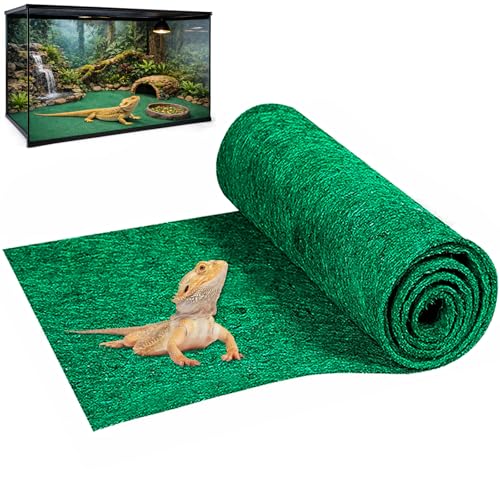
Reptile Basics Reptile Carpet
Carpet cut to a specific tank’s exact footprint sets Reptile Basics apart from generic rectangle mats. Loop pile resists snagging on claws, which matters for bearded dragons and larger lizards. Edges arrive finished before shipping, and owners report they hold up after repeated washing.
Pros
- Custom sizing skips trimming
- Finished edges resist fraying after washes
- Comfortable underfoot for sensitive toes
Cons
- Costs more than generic mats
- Restocking runs slower for uncommon dimensions
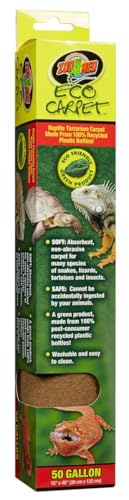
Zoo Med Eco Carpet
Recycled plastic fiber makes up Zoo Med’s Eco Carpet, cut to match common glass tank dimensions. Low pile keeps traction workable for geckos and snakes without catching on nails. Since it ships pre-cut, most keepers use it straight from the package without trimming.
Pros
- Pre-cut to popular tank sizes
- Recycled material keeps cost down
- Low pile scrubs clean easily
Cons
- Standard sizes miss custom enclosures
- Color fades faster than fleece over repeated washing

Repti Zoo Reptile Carpet Mat
Sets of two or three mats ship together from Repti Zoo, so one stays in the tank while another dries. Non-slip backing keeps the mat from bunching when a leopard gecko or small snake pushes against it. Per-mat pricing beats single-piece competitors, though the pile runs thinner.
Pros
- Multipack keeps a spare ready
- Non-slip backing stays in place
- Machine washable without special handling
Cons
- Thinner pile shows wear sooner
- Sizing tops out at smaller tanks
ReptiFleece Custom Fleece Liner
Fleece liners cut to order, including cutouts for hides and basking ledges, define ReptiFleece’s lineup. Fleece traps less heat than woven carpet, which keepers cite as a reason bearded dragons bask more comfortably on it. Moisture absorbs faster than on polyester carpet, so humid enclosures need more frequent washing.
Pros
- Soft surface suits feet and tails
- Custom cutouts fit decor without trimming
- Dries quickly between washes
Cons
- Absorbs waste faster, needing frequent washing
- Wears faster against long claws over time

Niteangel Reptile Carpet Mat
Longer roll lengths from Niteangel fit 40 and 75 gallon long tanks used for corn snakes and ball pythons without seams. The weave resists puncture from feeding tongs and enclosure decor. Owners trim it to length rather than buying a preset size, which suits irregular tank footprints.
Pros
- Long roll avoids seams in long tanks
- Weave resists tears from decor and tools
- Trims easily with scissors
Cons
- Requires manual trimming, unlike pre-cut mats
- Thicker pile takes longer to air dry
JEMWA Reptile Carpet
Smaller enclosures common with leopard geckos and juvenile reptiles get the sizing focus from JEMWA. A thin, flat pile keeps the mat close to the glass bottom, limiting shifting when a gecko digs at the surface. Thinner material than fleece or woven carpet means it dries within a couple of hours.
Pros
- Sized for smaller tanks without trimming
- Flat profile resists shifting
- Dries fast between cleanings
Cons
- Thin material wears sooner under claws
- Not sized for tanks over 20 gallons
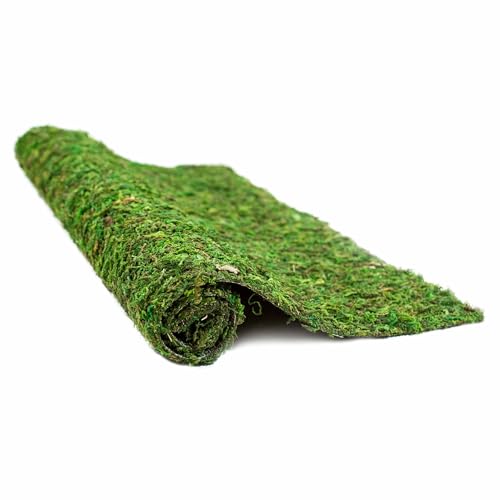
Galapagos Terrarium Liner
Larger dimensions meant for tortoise tables and bigger vivariums define Galapagos’s terrarium liner. A textured surface gives tortoises traction for walking, which smoother carpets don’t provide as consistently. Its bulk dries slower than smaller fleece or carpet mats, so keepers often rotate two liners.
Pros
- Larger sizing fits tortoise tables
- Textured surface aids traction for heavier reptiles
- Handles hosing off before a full wash
Cons
- Takes longer to dry given its size
- Overkill for tanks under 40 gallons
Compared at a glance
| # | Model | Material | Best for | Score | Price |
|---|---|---|---|---|---|
| 1 | Reptile Basics Reptile Carpet | Polyester loop-pile reptile carpet | Best overall | 9.4 | Check price |
| 2 | Zoo Med Eco Carpet | Recycled PET reptile carpet | Best value | 9.1 | Check price |
| 3 | Repti Zoo Reptile Carpet Mat | Woven polyester mat | Best budget | 8.8 | Check price |
| 4 | ReptiFleece Custom Fleece Liner | Anti-pill fleece fabric | Best for bearded dragons | 8.6 | Check price |
| 5 | Niteangel Reptile Carpet Mat | Polyester fiber carpet | Best for snakes | 8.4 | Check price |
| 6 | JEMWA Reptile Carpet | Non-woven polyester mat | Best for leopard geckos | 8.2 | Check price |
| 7 | Galapagos Terrarium Liner | Textured woven synthetic liner | Best for tortoises | 8.0 | Check price |
Before you buy
Why Washable Liners Beat Loose Substrate Loose substrates like sand, bark, and coconut fiber trap waste and bacteria between cleanings. Washable liners lift out for a full wash, cutting down on spot-cleaning frequency. Vets flag loose substrate as a common cause of impaction in bearded dragons and juvenile lizards that ingest bedding while hunting. A liner removes that risk entirely, since nothing loose sits around to swallow. Most keepers rotate two liners so one stays dry and ready.
Matching Liner Size to Your Tank Standard glass tanks come in 10, 20, 40, and 75 gallon long configurations, and most carpet brands cut to those dimensions. Pre-cut mats from Zoo Med or Repti Zoo fit straight out of the package for these sizes. Custom cutters like Reptile Basics measure to a tank’s actual footprint, which matters for bow-front or PVC enclosures that skip glass tank standards. Rolls from brands like Niteangel let owners trim length themselves, useful for long tanks or DIY builds.
Carpet vs Fleece vs Non-Woven: Material Differences Woven polyester carpet holds its shape and resists claws better than thinner materials. Fleece stays softer against skin and dries faster, though it absorbs waste more readily and needs washing more often. Non-woven mats cost less and dry quickly, but wear out sooner under regular digging. Recycled PET options like Zoo Med’s Eco Carpet balance cost and durability without fleece’s softness.
Which Liner Fits Which Species: Bearded Dragons, Snakes, Geckos, Tortoises Bearded dragons do best on fleece or low-pile carpet that doesn’t snag claws or tails. Snakes benefit from longer carpet rolls that skip seams across a 40 or 75 gallon long tank. Leopard geckos and other small species need thinner, smaller-cut mats that don’t bunch in a 10 or 20 gallon setup. Tortoises require larger, textured liners sized for tortoise tables, since smooth or thin mats slip under their weight.
Common questions
How often should washable reptile substrate be washed?
Spot-clean waste daily and run a full wash weekly, or sooner if the enclosure holds a species prone to loose stool like juvenile bearded dragons.
Is reptile carpet safe for bearded dragons?
Yes, as long as the pile stays low and loops sit tight enough that claws don’t snag, which is why finished-edge brands like Reptile Basics stay popular for beardies.
What is the best washable substrate for snakes?
Long carpet rolls from brands like Niteangel work well for 40 and 75 gallon long tanks, since they skip the seams that can trap waste.
Reptile carpet vs fleece liner: which is better?
Woven carpet holds up better against claws and lasts longer, while fleece stays softer and dries faster but needs washing more often.
Can washable reptile substrate work in a bioactive setup?
Most keepers reserve liners for non-bioactive enclosures, since bioactive setups rely on live soil and cleanup crews that need loose substrate to function.
How do you clean and disinfect a reptile carpet liner?
Rinse off waste, machine wash on cold with a reptile-safe or fragrance-free detergent, then air dry fully before returning it to the tank.
What size liner fits a 40 gallon tank?
A 40 gallon breeder measures about 36 by 18 inches, while a 40 gallon long measures about 48 by 13 inches, so check which configuration your tank uses before ordering.
Is fleece or carpet better for leopard geckos?
Thin, low-pile carpet mats sized for 10 to 20 gallon tanks suit leopard geckos well, since their claws stay small and the flatter surface resists bunching.
Do washable liners smell worse than loose substrate over time?
A liner washed weekly controls odor better than loose substrate, which traps waste and bacteria deep in the material between full cleanings.
The bottom line
Reptile Basics Reptile Carpet remains the strongest overall choice for keepers who want a liner cut to their tank’s exact size, with finished edges that hold up over repeated washing. Budget-focused owners should look at Repti Zoo Reptile Carpet Mat instead, since its multipack keeps a spare on hand without the custom-cut cost. Tortoise keepers are better served by Galapagos Terrarium Liner, sized and textured for tortoise tables rather than standard glass tanks.