Top Water Purifier Jugs for Clean, Great-Tasting Water
For most households, the Brita UltraMax Dispenser stands out as the top pick. It suits families or heavy water drinkers who need a large capacity and convenient dispensing without lifting. Its main advantage is the generous storage and easy spigot access. A limitation is that it takes up considerable fridge space and requires periodic filter changes.
Water purifier jugs offer a simple way to improve tap water taste and reduce impurities. They are affordable, require no installation, and fit easily in most refrigerators. With many models on the market, choosing the right one depends on your water quality and household size.
This roundup examines the most sought-after water filter pitchers, highlighting their strengths and weaknesses. Whether you want basic chlorine reduction or comprehensive contaminant removal, you will find a suitable option here.
What matters most
What we recommend

Brita UltraMax Dispenser
The Brita UltraMax is a large dispenser that holds up to 27 cups of filtered water. It features a spigot for effortless pouring, making it ideal for families or offices. The standard filter reduces chlorine taste and odor, copper, and mercury. Users appreciate the convenience and capacity, though it occupies significant fridge space.
Pros
- Large capacity reduces refills
- Spigot allows easy dispensing
- Simple filter replacement
Cons
- Bulky for small refrigerators
- Filter replacements add ongoing cost

PUR Ultimate Filtration Pitcher
PUR’s pitcher uses a coconut-based carbon filter that targets chlorine, mercury, copper, and other impurities. It holds 11 cups and features a convenient LED indicator that reminds you when to change the filter. Many users note improved taste and clearer water.
Pros
- Reduces a wide range of contaminants
- LED filter change indicator
- Easy pour spout
Cons
- Filter can be slow at first
- Smaller capacity than dispensers
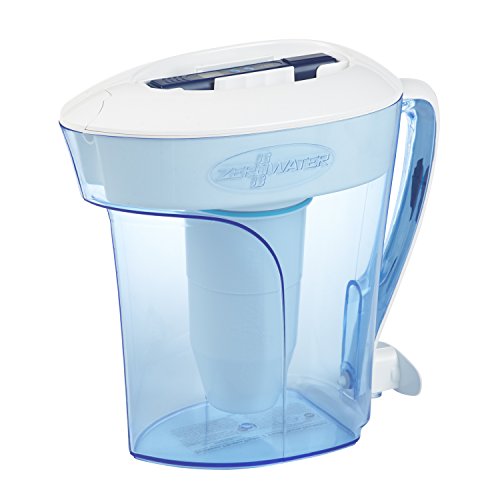
ZeroWater 10 Cup Pitcher
ZeroWater’s 5-stage filtration removes virtually all dissolved solids, including lead, chromium, and other heavy metals. The included TDS meter lets you verify water purity. It is ideal for areas with hard water or high mineral content. However, the filter may wear out faster if water is very hard.
Pros
- Removes nearly all total dissolved solids
- TDS meter included for verification
- Great for improving taste of hard water
Cons
- Filter replacement can be frequent with hard water
- Slower filtration compared to carbon-only models
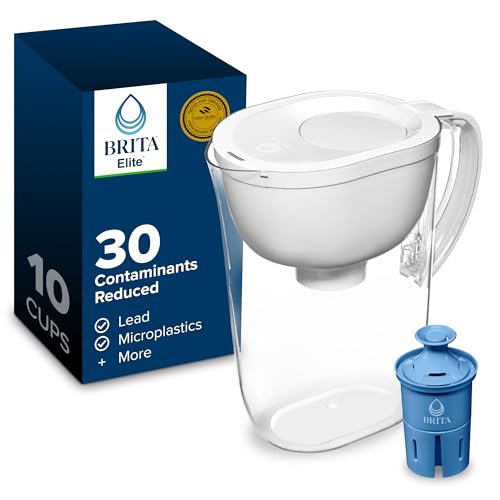
Brita 10 Cup Everyday Pitcher
The classic Brita Everyday pitcher holds 10 cups and fits neatly in most fridge shelves. It uses the same carbon filter technology as larger models, reducing chlorine taste and odor. Its simple design and affordable price make it a popular choice for singles and couples.
Pros
- Compact and fridge-friendly
- Affordable upfront cost
- Easy to fill and pour
Cons
- No indicator for filter changes
- Does not reduce dissolved solids

Aquagear Pitcher
Aquagear’s pitcher is certified to reduce lead, chlorine, microplastics, and other contaminants. It filters more than 100 gallons per filter, which is longer than typical pitchers. The sleek design and BPA-free materials appeal to health-conscious consumers.
Pros
- Long-lasting filters
- Certified reduction of many contaminants
- Modern, space-saving design
Cons
- Higher initial investment
- Smaller capacity may require frequent refills

Brita Stream Rapids Pitcher
The Stream Rapids pitcher uses a funnel design that speeds up filtration. It holds 7 cups and includes a lid that pops open for easy refilling. The filter reduces chlorine taste and odor, and the handle makes pouring simple. It is a good choice for those who want a quick pour.
Pros
- Fast filtration process
- Easy-to-open lid for refills
- Ergonomic handle
Cons
- Smaller capacity
- No filter change indicator

Soma Pitcher
Soma’s pitcher is made from sustainable bamboo and BPA-free glass or plastic options. The plant-based carbon filter reduces chlorine and heavy metals while adding beneficial minerals like magnesium for taste. Its stylish design looks great on a table, and the filter lasts about 40 gallons.
Pros
- Eco-friendly materials
- Adds minerals for improved taste
- Attractive design
Cons
- Small capacity
- Filters can be pricier than standard
How they compare
| # | Model | Capacity | Best for | Score | Price |
|---|---|---|---|---|---|
| 1 | Brita UltraMax Dispenser | 27 cups | Large households and easy dispensing | 9.4 | Check price |
| 2 | PUR Ultimate Filtration Pitcher | 11 cups | Reducing chlorine, mercury, and other contaminants | 9.1 | Check price |
| 3 | ZeroWater 10 Cup Pitcher | 10 cups | Removing dissolved solids and heavy metals | 8.9 | Check price |
| 4 | Brita 10 Cup Everyday Pitcher | 10 cups | Everyday use with a compact footprint | 8.7 | Check price |
| 5 | Aquagear Pitcher | 8 cups | Removing lead, chlorine, and microplastics | 8.8 | Check price |
| 6 | Brita Stream Rapids Pitcher | 7 cups | Quick filtration with easy pouring | 8.5 | Check price |
| 7 | Soma Pitcher | 6 cups | Eco-conscious users who want natural materials | 8.3 | Check price |
Frequently asked questions
How often should I replace the filter in my water purifier jug?
Most manufacturers recommend replacing filters every 2 months or after filtering 40 gallons. Some models, like Aquagear, last up to 6 months or 150 gallons. Follow the product’s instructions for best results.
Can water purifier jugs remove lead?
Many pitchers, such as PUR, ZeroWater, and Aquagear, are certified to reduce lead. Check the product’s certification labels to confirm which contaminants it removes.
Do water filter pitchers remove fluoride?
Most standard carbon filters do not remove fluoride. If fluoride reduction is important, look for specialized filters that use alumina or reverse osmosis, which are rare in pitchers.
Are water purifier jugs effective against bacteria and viruses?
No, typical pitcher filters are not designed to remove microorganisms. They are meant for improving taste and reducing chemical contaminants. For microbiological safety, use other water treatment methods.
How do I know when to change the filter?
Some models have electronic indicators or manual counters. Others rely on taste or time. If your water tastes different or flows slowly, it may be time to replace the filter.
Can I put my water purifier jug in the dishwasher?
Usually, only the top rack is safe, and filters must be removed. Check the instructions. Hand washing is often recommended to prolong the life of the pitcher.
Will a water purifier jug make my water taste better?
Yes, most people notice a significant improvement in taste and odor because carbon filters remove chlorine and other organic compounds that affect flavor.
What is the difference between a pitcher and a dispenser?
Pitchers are manually poured from the top, while dispensers have a spigot at the bottom for easy filling of glasses. Dispensers often have larger capacities and are more convenient for frequent use.
How much does it cost to maintain a water purifier jug?
Ongoing costs come from filter replacements, usually ranging from current price to current price per filter depending on brand. Over a year, this can add up to current price to current price which is still cheaper than bottled water.
Are there any health risks from using a water purifier jug?
If you replace filters regularly and keep the pitcher clean, there are minimal risks. Neglected filters can harbor bacteria. Always follow care instructions.
Final word
For most households, the Brita UltraMax Dispenser is the best choice due to its large capacity and convenience. If you have concerns about heavy metals or dissolved solids, the ZeroWater 10 Cup Pitcher offers thorough filtration. For a compact and affordable option, the Brita 10 Cup Everyday Pitcher is reliable and budget friendly.