Camp Mattresses That Laugh at Rain and Mud
The Therm-a-Rest NeoAir XTherm NXT tops this list for four-season campers who need maximum warmth in wet, freezing conditions. Its reflective ThermaCapture layer and horizontal baffles cut heat loss to the ground, while the 70D nylon ripstop shell shrugs off punctures from rocky tent floors. The main limitation is its high price, but owners report it packs small enough for backpacking trips.
Waking up on a cold, wet sleeping pad can ruin a camping trip. Moisture seeps through the fabric, draining your body heat and leaving you shivering. A weather-resistant mattress solves this by using waterproof shells, sealed seams, and insulating layers that trap warmth even when the ground is damp.
We dug through specifications, owner reviews, and manufacturer claims to find the best options. From ultralight backpacking pads to thick, cushy models for car camping, these mattresses stand up to rain, snow, and condensation. Each one offers unique strengths, so you can match your camping style to the right pad.
The shortlist, ranked

Therm-a-Rest NeoAir XTherm NXT
The NeoAir XTherm NXT is a lightweight, highly insulated pad that excels in freezing conditions. It uses reflective ThermaCapture technology to minimize radiant heat loss, and its 70D ripstop nylon shell resists punctures and moisture. Owners praise its warmth-to-weight ratio, though some find it crinkly and pricey.
Pros
- Exceptional warmth for its weight
- Durable shell handles rough terrain
- Packs down small for backpacking
Cons
- Crinkly noise when moving
- Premium price point

Exped MegaMat 10
The Exped MegaMat 10 is a thick, wide pad that offers a bed-like sleep experience. Its 4-inch air chambers and high-density foam provide excellent cushioning, while the 75D polyester shell is water-repellent and easy to wipe clean. It’s heavy and bulky, so it’s best for campsite-adjacent adventures.
Pros
- Plush, supportive comfort
- Excellent insulation for cold nights
- Durable shell resists moisture
Cons
- Very heavy and bulky
- Long inflation time with included pump

Sea to Summit Ether Light XT Insulated
Weighing just over a pound, the Ether Light XT Insulated is a favorite among backpackers who count every ounce. It uses Exkin Platinum fabric and a Thermolite insulation layer to achieve an R-value of 3.6, suitable for three-season use. The 30D ripstop nylon is lightweight but still resists moisture well.
Pros
- Ultralight design
- Comfortable 4-inch thickness
- Compact pack size
Cons
- Lower R-value for winter
- Less durable than heavier fabrics

NEMO Roamer Sleeping Pad
The NEMO Roamer is a thick, insulated pad designed for cold-weather camping. With a 4-inch profile and vertical baffles, it provides stable support and prevents heat loss. The 40D nylon shell is treated with a waterproof coating, and the included pump sack makes inflation easy. Owners love its warmth and comfort, though it’s on the heavier side.
Pros
- Roomy and comfortable
- Excellent insulation for winter
- Pump sack included for easy inflation
Cons
- Heavier than backpacking pads
- Bulky when packed

Klymit Insulated Static V
The Klymit Insulated Static V offers solid performance at an affordable price. Its V-shaped baffles reduce heat loss and cradle your body, while the 75D polyester fabric is rugged and water-resistant. It’s heavier than some competitors, but the price and comfort make it a great entry-level pad.
Pros
- Great value for the price
- Comfortable V-shaped support
- Durable fabric resists punctures
Cons
- Heavier than premium pads
- Insulation not sufficient for extreme cold
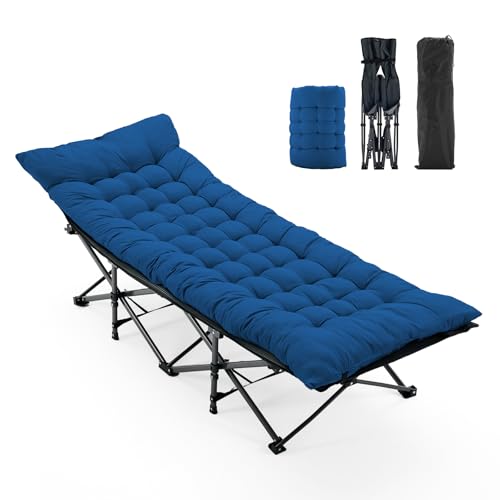
REI Co-op Camp Bed 3.5
The REI Co-op Camp Bed 3.5 is a self-inflating foam pad that offers plush comfort and excellent insulation. Its 3.5-inch thickness and foam core provide support for side sleepers, and the 50D polyester shell is water-resistant and easy to clean. It’s heavy and not for backpacking, but it shines in car camping scenarios.
Pros
- Self-inflating convenience
- Thick foam cushioning
- Excellent insulation
Cons
- Heavy and bulky
- Slow to deflate and pack

Hest Sleep System Foam Pad
The Hest Sleep System Foam Pad is a rugged, open-cell foam pad that doubles as a camp couch. Its polyurethane foam is naturally waterproof and resistant to punctures, making it ideal for rough use in truck beds or rooftop tents. It’s extremely heavy and expensive, but owners say it lasts for years.
Pros
- Virtually indestructible
- Waterproof and easy to wipe clean
- Can be used as a couch
Cons
- Very heavy and bulky
- High price tag
Before you buy
How they stack up
| # | Model | R-Value | Best for | Score | Price |
|---|---|---|---|---|---|
| 1 | Therm-a-Rest NeoAir XTherm NXT | 7.3 | Four-season backpackers | 9.6 | Check price |
| 2 | Exped MegaMat 10 | 8.1 | Car campers seeking luxury | 9.4 | Check price |
| 3 | Sea to Summit Ether Light XT Insulated | 3.6 | Ultralight hikers | 9.2 | Check price |
| 4 | NEMO Roamer Sleeping Pad | 6.0 | Winter camping in wet snow | 9.0 | Check price |
| 5 | Klymit Insulated Static V | 4.4 | Budget-conscious campers | 8.8 | Check price |
| 6 | REI Co-op Camp Bed 3.5 | 5.4 | Kids and side sleepers | 8.6 | Check price |
| 7 | Hest Sleep System Foam Pad | Not specified | Overlanding and rooftop tents | 8.4 | Check price |
Common questions
What makes a camping mattress weather-resistant?
Weather-resistant mattresses use waterproof or water-repellent fabrics, sealed seams, and sometimes waterproof coatings. They also have higher R-values to insulate from cold ground, which is often damp.
How do I clean a muddy camping mattress?
Most can be wiped down with soapy water and a cloth. Avoid machine washing. Hang to dry completely before storing to prevent mold. Some covers are removable and washable.
Can I use a weather-resistant pad in summer?
Yes, but they may be warmer than necessary. If you don’t need high insulation, you might prefer a lighter pad. However, a high R-value pad can still be comfortable in summer if you don’t overheat.
What is the best material for wet conditions?
Nylon or polyester with a waterproof coating or treatment. Look for fabrics like 70D ripstop nylon or 75D polyester. These resist punctures and repel moisture.
How important is R-value for camping in wet weather?
Very important. Wet ground conducts heat away faster than dry ground. An R-value of 4 or higher is recommended for wet camping to keep you warm.
Are insulated pads more weather-resistant than non-insulated ones?
Insulated pads have added layers that provide extra warmth. While not directly related to water resistance, they often have more robust construction. Some use moisture-resistant insulation like closed-cell foam or synthetic fibers.
Can I use a regular air mattress for camping?
Regular air mattresses are not designed for camping. They lack insulation, are prone to punctures, and their fabric absorbs moisture. Camping pads are made with durable, weather-resistant materials.
What is the difference between a self-inflating pad and an air pad?
Self-inflating pads contain open-cell foam that expands when the valve is opened, drawing in air. Air pads require manual inflation. Self-inflating pads are often more comfortable and offer better insulation, but they are heavier.
Our take
For most campers who face wet and cold conditions, the Therm-a-Rest NeoAir XTherm NXT is the best choice. It delivers top-tier warmth, durable construction, and a packable design. If you are car camping and prioritize comfort over weight, the Exped MegaMat 10 is a worthy upgrade. Budget shoppers can rely on the Klymit Insulated Static V for reliable performance without breaking the bank.


