Which Welding Blanket Handles Daily Shop Sparks Best
Steiner’s 316 Weld-Mat handles heavy daily fabrication thanks to its dense fiberglass weave and durable brass grommets. US Forge’s 0801 blanket suits occasional home shop tasks at a lower cost. Wilson by Jackson Safety folds into a compact bundle for welders who move between job sites.
Steiner 316 Weld-Mat, US Forge 0801 and Wilson by Jackson Safety span heavy daily fabrication down to occasional garage projects. Each catches sparks and slag that would otherwise scorch a floor, melt nearby cables or ignite debris under a workbench.
Material weight and weave decide how much abuse a blanket survives before it needs replacing. We compared fiberglass and silica weights, continuous heat ratings, grommet placement for hanging or draping and the size range each brand offers, then checked those specs against welder reports about fraying edges and fiber shedding.
The best picks, ranked

Steiner 316 Weld-Mat Fiberglass Welding Blanket
Dense 36 ounce fiberglass weave shrugs off tearing under heavy slag and grinding sparks. Brass grommets run along the edges, spaced for hanging over a workpiece or doorway without extra hardware. Continuous exposure well past standard ratings stays within its working range, beyond what lighter mats tolerate.
Pros
- Survives heavy daily slag exposure
- Brass grommets hold up to repeated hanging
- Sold in multiple large sizes
Cons
- Heavier to fold and carry than lighter mats
- Fiberglass edges need careful handling

US Forge 0801 Welding Blanket
A lighter fiberglass weave still blocks sparks reliably during hobbyist and occasional shop tasks. Corner grommets allow draping over a bench edge or clamping to a stand. Pricing sits well under heavy duty commercial mats while covering the same basic protection.
Pros
- Affordable for occasional shop use
- Blocks sparks effectively for its weight
- Folds smaller than heavier mats
Cons
- Thinner weave wears faster under daily grinding
- Fewer grommets than premium mats
Wilson by Jackson Safety Fiberglass Welding Blanket
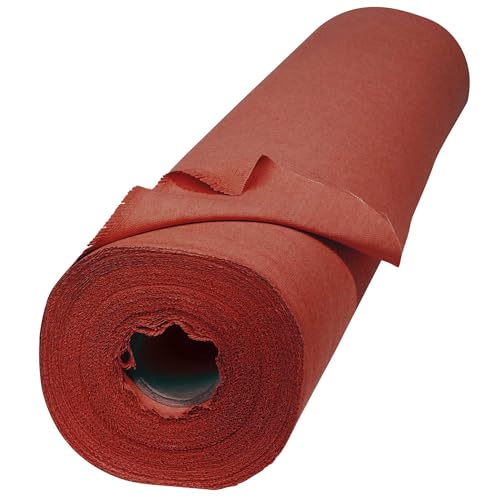
Mid weight fiberglass folds into a bundle small enough for a toolbox or truck bed bin. Unfolded, coverage still spans a standard 6 by 8 foot area. Mobile welders moving between job sites benefit most from the reduced bulk.
Pros
- Folds compactly for mobile storage
- Full coverage once unfolded
- Lighter to carry between job sites
Cons
- Lower heat rating than heavy fiberglass mats
- Less rugged for stationary shop use

Neiko 10909A Fiberglass Welding Blanket
Corner grommets let a garage welder hang this blanket over a car door or window opening to shield trim during bodywork. Fiberglass fabric resists direct spark contact through short welding sessions. Smaller size options fit tighter DIY jobs better than a full 6 by 8 foot mat.
Pros
- Smaller sizes suit auto body protection
- Grommets simplify hanging over openings
- Reasonably priced for occasional projects
Cons
- Smallest sizes limit larger jobs
- Edges fray faster with rough handling

Magid FiberFrax Welding Blanket
Silica based fabric tolerates far higher continuous temperatures than standard fiberglass, useful around foundry work or heavy slag runoff. The weave stays flexible instead of stiffening after repeated heat cycles. Industrial settings running near the top of typical heat ranges suit this material best.
Pros
- Tolerates higher sustained temperatures
- Stays flexible after repeated heat cycles
- Suited to industrial and foundry settings
Cons
- Higher cost than standard fiberglass mats
- Overkill for light occasional welding

Blue Ridge BRTB Welding Blanket
Grommets run continuously along the top edge, matching the spacing pipefitters use to hang a full welding curtain around a job. Fabric blocks sparks and UV flash from nearby welders at the same time. Multiple panels join together into a larger enclosure when one blanket isn’t wide enough.
Pros
- Grommet spacing suits curtain style setups
- Blocks UV flash as well as sparks
- Joins with extra panels for larger enclosures
Cons
- Less padded than mat style blankets
- Best suited to hanging rather than floor use
Forney 53420 Welding Blanket
A lighter fiberglass mat handles short grinding and welding sessions around the home shop. Corner grommets allow basic hanging over a bench or trailer gate. Lower cost than premium fiberglass mats fits buyers who weld only occasionally.
Pros
- Low cost for infrequent welders
- Adequate protection for short sessions
- Easy to fold and store
Cons
- Not rated for heavy continuous grinding
- Thinner fabric shows wear sooner
Side by side
| # | Model | Material | Best for | Score | Price |
|---|---|---|---|---|---|
| 1 | Steiner 316 Weld-Mat Fiberglass Welding Blanket | 36 oz woven fiberglass | Best overall | 9.4 | Check price |
| 2 | US Forge 0801 Welding Blanket | Fiberglass weave | Best value | 9.0 | Check price |
| 3 | Wilson by Jackson Safety Fiberglass Welding Blanket | Mid weight fiberglass | Best for tight spaces | 8.8 | Check price |
| 4 | Neiko 10909A Fiberglass Welding Blanket | Fiberglass fabric | Best for DIY garages | 8.7 | Check price |
| 5 | Magid FiberFrax Welding Blanket | Silica weave | Best for extreme heat | 8.9 | Check price |
| 6 | Blue Ridge BRTB Welding Blanket | Fiberglass weave | Best for pipefitters | 8.5 | Check price |
| 7 | Forney 53420 Welding Blanket | Fiberglass fabric | Best for occasional use | 8.0 | Check price |
Before you buy
What does a welding blanket actually protect? Sparks, slag and grinding debris travel farther than most beginners expect, especially when cutting overhead or at an angle. A blanket placed under or around the work catches that debris before it reaches concrete, carpet, cables or stored materials. Fire departments list unattended sparks among the leading causes of shop fires.
Fiberglass vs silica: which material do you need? Standard fiberglass handles most MIG, TIG and stick welding tasks up to roughly 1000 degrees Fahrenheit continuous exposure. Silica based fabric tolerates far higher heat, which matters for foundry work or heavy plasma cutting. Choose fiberglass for general fabrication and reserve silica for processes that regularly run hotter.
What size welding blanket fits a home garage? A 6 by 8 foot blanket covers most bench and floor protection needs in a home or small shop. Mobile welders benefit from smaller, lighter mats that fold into a truck bin. Grommet spacing matters most if the blanket needs to hang as a curtain rather than lie flat.
How do you care for a welding blanket and know when to replace it? Shake out loose slag after each use instead of letting it accumulate, since trapped debris can smolder unnoticed. Check for thinning spots or burn through holes, and replace the blanket once protection becomes unreliable. Loose fiberglass fibers can irritate skin, so gloves help when handling a worn mat.
Frequently asked questions
What’s the difference between a welding blanket and a welding curtain?
A blanket typically lays flat or drapes over a workpiece for spark protection, while a curtain hangs vertically to block flash and sparks between welding stations.
How hot can a welding blanket get before it fails?
Standard fiberglass blankets handle continuous exposure up to around 1000 degrees Fahrenheit. Silica based blankets like the Magid FiberFrax tolerate much higher heat, up to 1800 degrees continuous.
Can a welding blanket catch fire?
Fiberglass and silica fabrics resist ignition on their own, but trapped combustible debris underneath can still smolder. Shake blankets out after use and keep them away from flammable liquids.
What size welding blanket works best for a home garage?
A 6 by 8 foot blanket covers most bench and floor work in a typical garage. Smaller mats around 3 by 4 feet suit tighter jobs like protecting a car door during body panel welding.
Is fiberglass or silica better for MIG welding?
Standard fiberglass covers most MIG welding tasks, since typical spark temperatures stay well under its heat rating. Silica becomes necessary only for unusually hot or sustained processes.
Do welding blankets block UV flash too?
Some, like the Blue Ridge BRTB, are designed to block UV flash as well as sparks when hung as a curtain between work areas. Flat lay blankets focus mainly on spark and slag containment.
How do you hang a welding blanket over a doorway?
Blankets with grommets spaced along the top edge, rather than only the corners, hang more evenly across an opening. Hooks or wire work better than nails, which can tear the fabric.
Are fiberglass welding blankets safe to touch?
Loose fiberglass fibers can irritate bare skin, so gloves are worth wearing when folding, unfolding or storing a blanket, especially once it starts to fray.
Welding blanket vs fire retardant tarp: which should you use?
A dedicated welding blanket handles direct spark and slag contact far better than a general fire retardant tarp, which is built more for covering flammable materials nearby than absorbing direct heat.
The verdict
Steiner’s 316 Weld-Mat handles heavy daily slag and grinding without wearing thin. US Forge’s 0801 delivers solid protection for occasional home shop use at a lower cost. Mobile welders who need something compact should look at Wilson by Jackson Safety instead.