Top 4K Drones for Every Pilot and Budget
For most pilots, the DJI Mini 4 Pro stands out as the top pick because it balances a lightweight design with a 4K HDR camera and advanced safety features. Its main advantage is portability without sacrificing image quality, but its main limitation is the lack of obstacle sensors on the sides, which can be a concern in tight spaces.
Choosing a 4K drone can be overwhelming with so many options on the market. Whether you are a beginner looking for a simple flyer or a professional needing cinema-grade footage, this list covers a wide range of needs.
We analyzed specifications, user feedback, and brand reputation to bring you a curated selection of drones that deliver excellent 4K video quality. Each drone has been chosen for its unique strengths, so you can find the one that fits your flying style.
The shortlist, ranked

DJI Mini 4 Pro
The DJI Mini 4 Pro is a powerhouse in a sub-250g frame. It captures stunning 4K/60fps HDR video and features omnidirectional obstacle sensing, making it safe and easy to fly. Its compact size means you can take it anywhere, and the intelligent flight modes help you get creative shots with ease.
Pros
- Lightweight and portable
- Excellent image quality
- Advanced safety features
Cons
- No side obstacle sensors on base model
- Requires separate controller for full features

DJI Air 3
The DJI Air 3 features two cameras: a wide-angle and a 3x telephoto, both capable of 4K/60fps video. This gives you creative flexibility without changing lenses. With a longer flight time and improved transmission, it’s a great step up for serious hobbyists.
Pros
- Dual cameras for versatile shots
- Long flight time
- Strong transmission range
Cons
- Bulky for travel
- Higher price point

Autel Robotics EVO Lite+
The Autel EVO Lite+ sports a large 1-inch CMOS sensor that excels in low-light conditions, capturing crisp 4K video even at dusk. Its adjustable aperture lets you control exposure manually, and the 6K photo mode is a bonus for stills.
Pros
- Superb low-light performance
- Adjustable aperture
- No fly zones restrictions in some areas
Cons
- Larger and heavier
- App can be less intuitive

Potensic ATOM 4K
The Potensic ATOM is an affordable 4K drone that doesn’t skimp on essentials. It offers a 4K camera with a 3-axis gimbal, GPS-assisted flight, and a compact design. It’s an excellent entry point for those new to aerial photography.
Pros
- Very affordable
- Decent 4K quality
- Lightweight and portable
Cons
- Limited obstacle avoidance
- Shorter transmission range

DJI Mavic 3 Pro
The DJI Mavic 3 Pro is the ultimate tool for professionals, featuring a triple-camera system with a 4/3 CMOS sensor for Hasselblad-quality images. It supports 5.1K video and Apple ProRes, making it a top choice for commercial work.
Pros
- Exceptional image quality
- Triple cameras for various focal lengths
- ProRes support (with license)
Cons
- Very expensive
- Large and heavy for travel
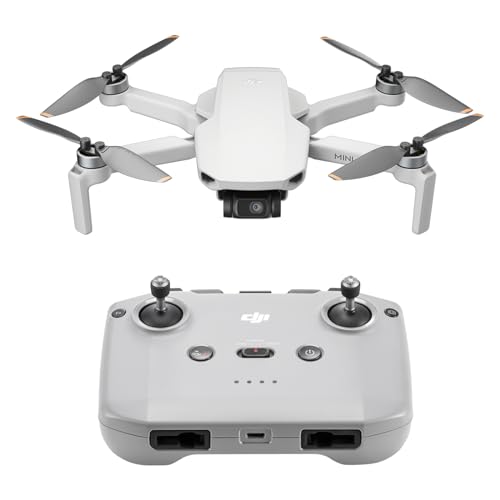
Autel Robotics EVO Nano+
The Autel EVO Nano+ is a compact drone that still packs a 4K camera with a 1/1.28-inch sensor, offering excellent image quality in a small package. It features obstacle avoidance and is easy to fly, making it a great choice for novices.
Pros
- Compact and lightweight
- Good camera quality for the size
- Beginner-friendly controls
Cons
- Shorter flight time
- No adjustable aperture
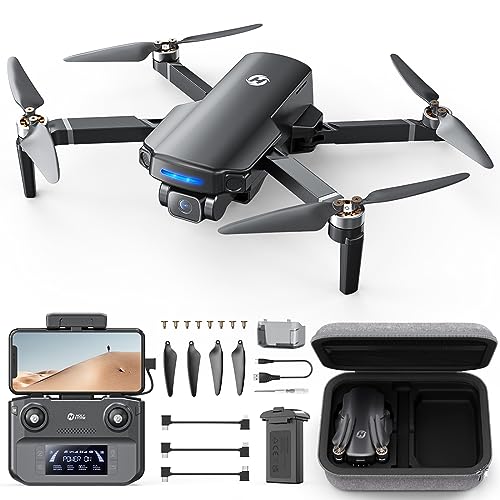
Holy Stone HS720G
The Holy Stone HS720G offers 4K video at a budget price, along with GPS assisted flight and a 2-axis gimbal. It’s a reliable choice for recreational pilots who want a stable hover and return-to-home functionality.
Pros
- Very low price
- GPS features for easy flying
- Includes extra battery
Cons
- No obstacle avoidance
- Gimbal only 2-axis, quality not as good
What to look for
The lineup, side by side
| # | Model | Camera | Best for | Score | Price |
|---|---|---|---|---|---|
| 1 | DJI Mini 4 Pro | 4K/60fps HDR, 48MP photos | Most travelers and vloggers | 9.6 | Check price |
| 2 | DJI Air 3 | Dual: 1/1.3″ CMOS wide + 3x tele | Enthusiasts who want dual cameras | 9.4 | Check price |
| 3 | Autel Robotics EVO Lite+ | 1″ CMOS, 4K/60fps, 6K photos | Low-light and night flights | 9.0 | Check price |
| 4 | Potensic ATOM 4K | 4K/30fps, Sony sensor | Budget-conscious beginners | 8.5 | Check price |
| 5 | DJI Mavic 3 Pro | Triple: 4/3 CMOS, 1/1.3″ medium tele, 1/2″ tele | Professional filmmakers | 9.5 | Check price |
| 6 | Autel Robotics EVO Nano+ | 4K/30fps, 1/1.28″ CMOS | Travelers needing portability | 8.8 | Check price |
| 7 | Holy Stone HS720G | 4K/30fps, 2-axis gimbal | Hobbyists wanting GPS features | 8.2 | Check price |
Frequently asked questions
Do I need a license to fly a 4K drone?
For recreational use, drones under 250g typically don’t require registration in the US, but you must follow FAA guidelines. For commercial use or heavier drones, you need a Part 107 license and may need to register the drone. Always check your local aviation authority’s rules.
What is the best 4K drone for beginners?
The DJI Mini 4 Pro is excellent for beginners due to its safety features and easy controls. The Potensic ATOM is also a good budget-friendly option. Look for drones with GPS, obstacle avoidance, and beginner modes.
How long can a 4K drone stay in the air?
Flight times vary from around 20 minutes to over 40 minutes. The DJI Air 3 offers the longest at up to 46 minutes, while the Holy Stone HS720G lasts about 23 minutes. Battery technology is constantly improving, so consider extra batteries for longer sessions.
Is 4K video quality worth the extra cost?
Yes, 4K provides four times the resolution of 1080p, allowing for cropping and zooming without losing detail. It also future-proofs your footage for larger screens. If you plan to edit or monetize your content, 4K is a worthwhile investment.
Can I fly a 4K drone in windy conditions?
Most drones can handle moderate winds, but you should check the manufacturer’s wind resistance rating. For example, the DJI Mini 4 Pro can withstand level 5 winds (about 24 mph), while smaller drones may struggle. Always avoid flying in strong gusts to prevent damage.
What is the difference between 4K/30fps and 4K/60fps?
Higher frame rates like 60fps allow for smoother motion and better slow-motion effects when post-processed. 30fps is standard for general video. If you plan to shoot fast-moving subjects or slow-motion, 60fps is beneficial.
Do I need a smartphone to fly a drone?
Yes, most consumer drones require a smartphone for the live view and controls via the remote controller. The phone connects to the controller and runs the drone app, providing a real-time feed from the camera.
What is the legal maximum altitude for drone flights?
In the US, the FAA limits recreational drones to 400 feet above ground level. In other countries, rules vary. Always respect local airspace restrictions and avoid flying near airports or over crowds.
The bottom line
If you want the best combination of portability, image quality, and safety, the DJI Mini 4 Pro is the clear winner for most people. For professional filmmakers who need top-tier camera performance, the DJI Mavic 3 Pro is unmatched but comes at a premium. Budget-minded beginners will find great value in the Potensic ATOM.


