DJI Drone Alternatives for Every Budget and Skill Level
For most people, the Autel Robotics EVO Nano+ is the best DJI alternative because it offers a comparable 4K camera and obstacle avoidance in a sub-250g package, making it ideal for travelers and beginners. Its main limitation is a smaller ecosystem and fewer accessories than DJI’s Mini series.
DJI dominates the consumer drone market, but it is not the only option. Many pilots seek alternatives for various reasons, including price, privacy, or specific feature sets. This roundup covers the best DJI alternatives currently available on Amazon, each with its own strengths and weaknesses.
We compared specifications, owner reviews, and expert opinions to identify drones that genuinely stand out. Whether you are a hobbyist looking for a cheap first drone or a professional needing a specific camera setup, there is an alternative here for you.
The shortlist, ranked
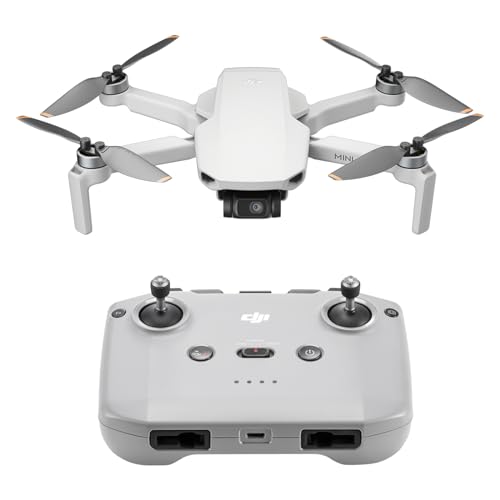
Autel Robotics EVO Nano+
The Autel EVO Nano+ is a direct competitor to the DJI Mini 3 Pro. It features a 1/1.28-inch CMOS sensor capable of 50MP photos and 4K/30fps HDR video. With three-way obstacle avoidance and a flight time of up to 28 minutes, it is a reliable choice for both beginners and enthusiasts. Its sub-250g weight means no registration is required in many regions.
Pros
- Excellent image quality with HDR video
- Compact and lightweight
- Robust obstacle avoidance
Cons
- Higher price than DJI Mini 2
- Limited accessory ecosystem

Potensic ATOM
The Potensic ATOM is a sub-250g drone that offers 4K video at 30fps and a 3-axis mechanical gimbal. It has a flight time of 32 minutes and features GPS assistance and a max transmission range of 4km. This drone is an excellent entry point for those who want quality without breaking the bank.
Pros
- Very affordable
- Long flight time for the price
- Stable gimbal for smooth footage
Cons
- No obstacle avoidance
- Plastic build feels less premium
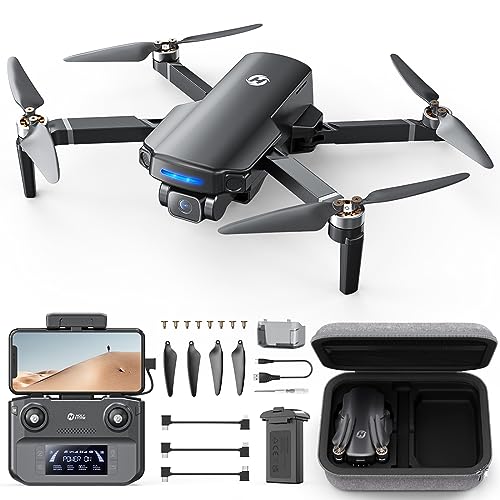
Holy Stone HS720G
The Holy Stone HS720G is a foldable GPS drone that shoots 4K video and 12MP photos. It features smart return home, follow me mode, and a 2-axis gimbal for stable footage. With a flight time of around 26 minutes, it is a solid choice for beginners who want safety features and ease of use.
Pros
- Easy to fly for beginners
- GPS assisted flight with auto return
- Good value for money
Cons
- 2-axis gimbal only (no yaw stabilization)
- Controller screen is not included

Skydio 2+
Skydio 2+ is renowned for its 360-degree obstacle avoidance and advanced AI tracking. It can navigate complex environments without crashing, making it ideal for action sports and dynamic scenes. The 4K60 HDR camera and 27-minute flight time are competitive, but the higher price and lack of interchangeable camera are trade-offs.
Pros
- Unmatched obstacle avoidance
- Superb autonomous tracking
- High-quality footage in motion
Cons
- Expensive
- No support for interchangeable lenses

Ruko F11 Pro
The Ruko F11 Pro offers an impressive 30-minute flight time and a 4K camera with a 2-axis gimbal. It features GPS and Glonass positioning, plus a 4km transmission range. This drone is a great option for those who prioritize staying in the air longer, though it lacks the camera sophistication of higher-end models.
Pros
- Long flight time
- Stable hover due to GPS
- Good range
Cons
- Heavier than 250g, needs registration in some regions
- 2-axis gimbal limits cinematic moves

Snaptain SP510
The Snaptain SP510 is a budget drone that shoots 4K video and 12MP photos, with a 3-axis gimbal for stability. It includes GPS, return home, and follow me modes. While its build quality is not as premium, it delivers solid performance for the price, making it a popular choice for novice pilots.
Pros
- Affordable 4K with 3-axis gimbal
- GPS features
- Beginner-friendly controls
Cons
- Shorter flight time
- Less durable construction
Hubsan Zino Mini Pro
The Hubsan Zino Mini Pro is a sub-250g drone that packs a 1/1.3-inch CMOS sensor capable of 8K video (interpolated) and 48MP stills. It has a 3-axis gimbal and 40-minute flight time, which is exceptional for its class. It also features omnidirectional obstacle avoidance, making it a feature-packed alternative.
Pros
- 8K video capability (though interpolated)
- Long flight time
- Full obstacle avoidance
Cons
- Software can be buggy
- Customer support is less established
How to pick the right one
How they stack up
| # | Model | Camera | Best for | Score | Price |
|---|---|---|---|---|---|
| 1 | Autel Robotics EVO Nano+ | 50MP 1/1.28-inch CMOS, 4K/30fps HDR video | Best overall for most users | 9.4 | Check price |
| 2 | Potensic ATOM | 4K/30fps, 12MP sensor | Budget-friendly alternative | 8.8 | Check price |
| 3 | Holy Stone HS720G | 4K UHD, 12MP | Beginner with GPS and auto-return | 8.4 | Check price |
| 4 | Skydio 2+ | 4K60 HDR, 12MP | Best autonomous flying | 9.2 | Check price |
| 5 | Ruko F11 Pro | 4K UHD, 2-axis gimbal | Long flight time | 8.6 | Check price |
| 6 | Snaptain SP510 | 4K UHD, 12MP | 4K camera with GPS | 8.1 | Check price |
| 7 | Hubsan Zino Mini Pro | 8K (interpolated) video, 48MP photos | Lightweight with 8K camera | 8.9 | Check price |
Good to know
Are DJI alternatives worth considering?
Yes, many alternatives offer similar features at lower prices or with unique strengths like better obstacle avoidance. For example, Skydio excels in autonomy, while Potensic offers value. It depends on your priorities.
Do DJI alternatives have good camera quality?
Many do. Autel’s EVO Nano+ has a large sensor for excellent low-light performance. Hubsan’s Zino Mini Pro offers high resolution, though some is interpolated. Always check sensor size and video specs.
What is the best DJI alternative for beginners?
The Holy Stone HS720G is a great beginner choice due to GPS features and ease of use. The Potensic ATOM is also user-friendly and affordable, but lacks obstacle avoidance.
Are there DJI alternatives under 250g?
Yes, the Autel EVO Nano+ and Potensic ATOM are both under 250g, avoiding many registration requirements. They are also more portable.
How do flight times compare between DJI and alternatives?
Flight times vary from 20 minutes (Snaptain) to 40 minutes (Hubsan). DJI Mini series typically offers around 30-38 minutes. Alternatives like Hubsan can match or exceed DJI.
Can I get a drone with obstacle avoidance that isn’t DJI?
Absolutely. Skydio 2+ has 360-degree obstacle avoidance, and the Autel EVO Nano+ offers three-way. Even budget drones like Potensic lack it, but you can find it in mid-range options.
What about range and transmission quality?
Most alternatives offer ranges from 1km to 4km. Autel and Skydio provide robust transmission. For long-range flying, check the remote controller’s specs.
Will I miss DJI’s app and ecosystem?
DJI has a mature app and ecosystem, but alternatives like Autel and Skydio have their own apps that are functional. Some users find third-party apps less polished, but they are continuously improving.
Our pick
If you want the best all-around DJI alternative, choose the Autel Robotics EVO Nano+. It combines a high-quality camera, obstacle avoidance, and portability in a package that rivals DJI’s Mini line. For those on a budget, the Potensic ATOM offers remarkable value, while the Skydio 2+ is unmatched for autonomous flight. Consider your flying style and priorities to pick the drone that fits you best.

