Which Abacus Actually Helps Kids Grasp Math Fastest?
Melissa & Doug Classic Wooden Abacus suits early counting best, with 100 beads across ten color coded rows in a heavy hardwood frame. Yellow Mountain Imports Japanese Soroban Abacus handles real arithmetic method. Hape Rainbow Bead Abacus fits toddler hands and motor skills.
Melissa & Doug Classic Wooden Abacus is the pick for counting at home, thanks to a heavy frame and rows grouped in tens. Ready for mental arithmetic? Yellow Mountain Imports Japanese Soroban Abacus follows the traditional method. Under three years old, Hape Rainbow Bead Abacus wins on bead size and a bamboo frame with water based paint.
One word covers two very different objects. A ten row color counting frame builds early number sense. A soroban is a calculating instrument with its own technique, and it means nothing to a three year old. Buy the wrong one and a child ends up bored or lost. We compared bead layouts against how schools actually teach, frame construction and weight, published age guidance, and finish materials for the youngest users. Parent and tutor feedback covered durability, bead noise and whether frames slide across a table during use.
What we recommend

Melissa & Doug Classic Wooden Abacus
One hundred beads sit across ten color coded rows in a hardwood frame heavy enough to stay put when small hands push. Color grouping makes tens visible, which is the exact concept early counting depends on. Beads slide smoothly without pinching fingers at the ends. Parents report frames surviving multiple children, though beads clatter loudly on a bare table.
Pros
- Heavy frame stays put during use
- Color coding makes grouping in tens obvious
- Survives years of handling and siblings
Cons
- Not a soroban, so no formal arithmetic method
- Beads are loud on a hard table

Hape Rainbow Bead Abacus
Large beads on a bamboo frame suit hands still developing fine motor control. Rows are spaced widely, so a toddler slides beads without pinching a finger between them. Water based paint and rounded edges address the age group directly. Purpose here is color sorting and early counting exposure rather than arithmetic. Bead count is lower than a full counting frame, and the light bamboo slides on a polished table.
Pros
- Bead size matches developing motor skills
- Bamboo frame with water based finishes
- Rounded edges throughout, no sharp corners
Cons
- Fewer beads limits use as a child grows
- Light frame slides on smooth surfaces

Yellow Mountain Imports Japanese Soroban Abacus
Each rod carries one heaven bead above the bar and four earth beads below, the layout Japanese mental arithmetic training uses. Beads move crisply and hold position, which is what speed work requires. A reset lever clears the whole board in one motion. This is an instrument, not a toy, and a child needs a workbook or a teacher to get anything from it.
Pros
- Authentic layout for genuine soroban practice
- Beads hold position during fast calculation
- Reset lever clears the board instantly
Cons
- Needs instruction, not self explanatory
- Too abstract for preschool children

Learning Resources Rekenrek Counting Frame
Two rows of ten beads, each split five red and five white, form the arrangement teachers use to build subitizing. A child sees seven as five plus two rather than counting seven times. Twenty beads is a deliberate limit, and that constraint is the point. Compact enough for a desk or a kitchen table. Plastic construction lacks the appeal of wood and caps out once a child works past twenty.
Pros
- Matches how schools teach number bonds
- Encourages recognizing groups over counting
- Small enough for a desk or table
Cons
- Twenty beads cap the range quickly
- Plastic frame lacks the feel of wood
RightStart Mathematics AL Abacus
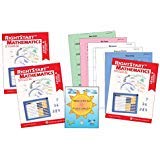
Beads group in fives and tens by color, so quantities get recognized instead of counted one at a time. A two sided design covers place value work as a child moves past basic addition. It functions standalone, though the design assumes the matching RightStart lesson materials. Parents teaching structured math at home get the most from it. Frame is plastic rather than wood.
Pros
- Grouping supports instant quantity recognition
- Ties directly into a full math curriculum
- Two sided design covers place value
Cons
- Full value depends on using the curriculum
- Plastic construction rather than wood

Melissa & Doug Add and Subtract Abacus
Flip cards mounted on the frame pose simple addition and subtraction problems, and the beads below check the answer. That pairing bridges counting play and actual arithmetic. It suits the stage where a child counts reliably but has not yet memorized sums. Build matches the classic wooden version. Keen children exhaust the card set fairly quickly, and the frame takes more table space than a plain one.
Pros
- Flip cards give practice sessions structure
- Bridges counting play and real arithmetic
- Same solid build as the classic frame
Cons
- Card set gets exhausted by keen children
- Larger footprint than a plain frame
Toysmith Wooden Abacus
Colored beads, a wooden frame, nothing else. Size is set for a child to pick up and carry to another room, which matters more than adults expect. Cost stays low enough to buy alongside other math toys. Fundamental job of making numbers physical gets done. Build runs lighter than premium wooden frames, so it slides more during use and suits gentle handling over classroom traffic.
Pros
- Very low cost introduction to counting
- Light enough for a child to carry
- Bright colors hold young attention
Cons
- Lighter frame slides during use
- Finish quality trails premium brands
How they stack up
| # | Model | Beads | Best for | Score | Price |
|---|---|---|---|---|---|
| 1 | Melissa & Doug Classic Wooden Abacus | 100 beads across 10 rows | Best overall | 9.4 | Check price |
| 2 | Hape Rainbow Bead Abacus | Large chunky beads in rainbow colors | Best for toddlers | 9.2 | Check price |
| 3 | Yellow Mountain Imports Japanese Soroban Abacus | 1 heaven bead, 4 earth beads per rod | Best for real arithmetic | 9.0 | Check price |
| 4 | Learning Resources Rekenrek Counting Frame | Two rows of 10, split 5 and 5 by color | Best for classroom methods | 8.8 | Check price |
| 5 | RightStart Mathematics AL Abacus | Grouped in fives and tens by color | Best for homeschooling | 8.6 | Check price |
| 6 | Melissa & Doug Add and Subtract Abacus | Wooden bead rows | Best for early math practice | 8.3 | Check price |
| 7 | Toysmith Wooden Abacus | Colored beads across multiple rows | Best budget | 8.0 | Check price |
What to look for
What is the difference between a counting frame and a soroban? Two products share one word. A counting frame carries ten rows of ten beads and works as a visual aid for early number work, which is what most people picture when they say abacus. A soroban carries one bead above the reckoning bar and four below on each rod, and it is a calculating instrument requiring a taught technique. Buying a soroban for a three year old wastes both. Buying a color counting frame for a child in mental arithmetic classes wastes it just as thoroughly. Match the object to the skill first.
How do you match the bead layout to how a child is taught? Classrooms increasingly use rekenrek frames with beads split five and five, because recognizing seven as five plus two builds number sense faster than counting seven beads. A matching layout at home reinforces that lesson rather than competing with it. Homeschool programs go further: the RightStart AL Abacus assumes its own curriculum and groups beads accordingly. Ask which model your child’s school uses before buying. Where no method applies yet, a plain ten row frame with color coded tens is the safest general purpose choice.
Does frame weight and material matter on an abacus? More than the listings suggest. A light frame skids across the table when a small child pushes a bead, and the activity turns into a wrestling match with the equipment. Hardwood frames like the Melissa & Doug classic stay planted. Rubber feet or a non slip placemat solve the problem on lighter plastic and bamboo models. Wood also runs quieter and lasts longer through siblings. Plastic wins on price and on layouts such as the rekenrek, where the arrangement matters far more than the material does.
Is an abacus safe for a toddler? Under three, bead size is the deciding safety factor, since small beads present a choking hazard if a rod or wire fails. Choose chunky beads on a solid frame, as the Hape model uses. Check that finishes are non toxic water based paints and that wooden joints are sanded smooth without splinters. Frames with small beads on thin wire belong with older children regardless of how appealing the colors look. Supervise early sessions, and store the frame flat so beads are not standing on end.
Common questions
What age is an abacus suitable for?
Chunky bead frames such as the Hape suit around eighteen months upward for color and motor play. Ten row counting frames work from about three. Soroban style abacuses generally suit six or seven and older, once a child can follow a taught method.
Soroban vs regular abacus: what is the difference?
A soroban is the Japanese calculating abacus, one bead above the bar and four below per rod, used with a specific technique for fast arithmetic. A regular counting frame carries rows of ten beads and works as a visual counting aid rather than a calculator.
Does using an abacus actually help with math?
It makes quantity physical and visible, which supports number sense in early learners. Soroban training in particular is associated with strong mental calculation, though that result comes from sustained structured practice rather than owning the tool.
What is a rekenrek and how is it used?
A counting frame with two rows of ten beads, each split five red and five white. Children slide beads to a target number and learn to see quantities at a glance instead of counting individually, which is why primary classrooms favor it.
Should I buy a wooden or plastic abacus?
Wood feels better, lasts longer and stays put on a table. Plastic frames like the rekenrek and RightStart abacus cost less and weigh less. For method specific tools, layout matters far more than the material does.
Do you need a book or course to learn the soroban?
For real benefit, yes. A soroban is a method as much as an object, and without instruction most people just slide beads around. Beginner workbooks are widely available and most children need a guided start.
How many beads should an abacus have?
One hundred beads in ten rows is standard for early counting and covers work up to a hundred. Rekenrek frames intentionally carry twenty. Soroban rod counts vary, and thirteen rods is a common practical size.
Are abacuses safe for toddlers?
Choose one built for the age: large beads, a solid frame, non toxic finishes, as on the Hape model. Frames with small beads on thin wire are not appropriate for children who still mouth objects.
Which abacus is best for homeschooling?
The RightStart Mathematics AL Abacus, if you follow that curriculum, since its grouping and two sided layout are built around those lessons. Families without a fixed program are better served by a ten row wooden frame plus a rekenrek for number bonds.
Can adults learn to use an abacus?
Yes, and soroban workbooks written for adults exist. Progress depends on daily short practice rather than long sessions. Many learners eventually visualize the beads and calculate mentally, which is the stated goal of the traditional training.
The verdict
Melissa & Doug Classic Wooden Abacus is the frame most families should start with, since the weight keeps it steady and the color coded tens teach grouping clearly. Once a child is ready for genuine arithmetic method and has a workbook, move up to the Yellow Mountain Imports Japanese Soroban Abacus. For a toddler still building motor control, Hape Rainbow Bead Abacus is the right first purchase.