Backpack Leaf Blowers Worth Strapping On
For most yards the Husqvarna 350BT leads on balance of power and comfort, the Echo PB-580T wins on raw airflow for big lots, and the Ryobi RY38BP is the value pick for anyone who wants strong gas performance without a premium outlay.
The Husqvarna 350BT is the best backpack leaf blower for most homeowners, pairing usable airflow with a harness that stays comfortable through a long session. Big properties are better served by the higher output Echo PB-580T, while the Ryobi RY38BP delivers the most performance for the money.
Backpack blowers are tricky to shop for because a single big CFM or MPH number tells only half the story. Airflow, harness padding, tube ergonomics and vibration all decide how it actually feels after twenty minutes. We compared each model on published airflow figures, harness design and what long term owners report about durability and comfort.
The top picks, ranked
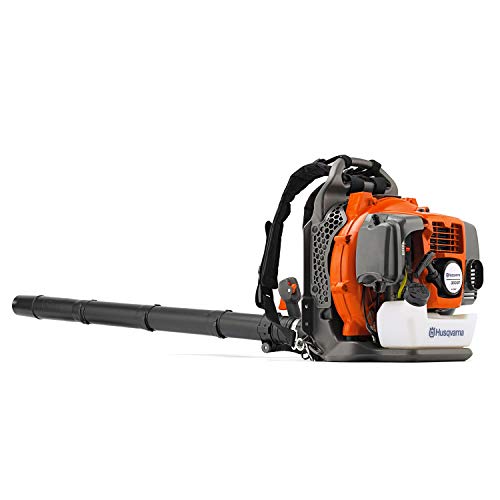
Husqvarna 350BT
The 350BT hits the sweet spot between power and manageability with a 50.2cc engine and a load reducing harness that spreads weight across your hips and shoulders. Owners report it moves wet leaves and light gravel without leaving them wiped out at the end of the yard.
Pros
- Comfortable load reducing harness
- Strong airflow for the weight
- Adjustable tube length
Cons
- Two cycle fuel mixing required
- Louder than battery rivals
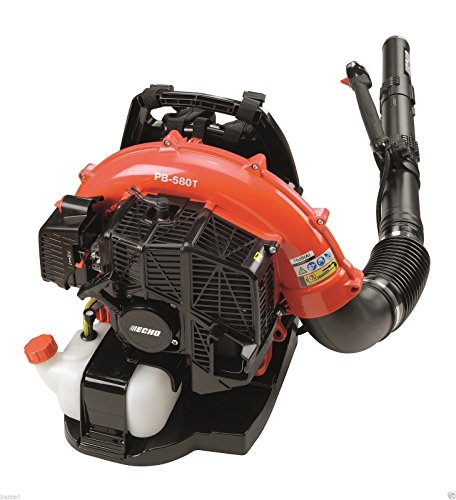
Echo PB-580T
With a 58.2cc engine and a tube mounted throttle, the PB-580T is built for acreage and stubborn piles. Based on its specifications and owner feedback, it clears leaves fast and holds up to heavy seasonal use, which is why landscapers gravitate to it.
Pros
- High air speed for wet debris
- Tube mounted throttle control
- Reputation for durability
Cons
- Heavier feel when full
- Premium price bracket

Ryobi RY38BP
The RY38BP brings a 38cc engine and a variable speed trigger at a friendlier outlay than the pro brands. It is a sensible choice for medium yards where owners want gas grunt without paying for landscaper grade features.
Pros
- Affordable for a gas backpack unit
- Lightweight for the class
- Variable speed trigger
Cons
- Less refined harness padding
- Not ideal for heavy commercial use

Makita EB7660TH
Makita’s EB7660TH runs a large 75.6cc four stroke that skips fuel mixing entirely and idles cleaner than comparable two strokes. Owners praise the reduced fumes and steady output over long clearing sessions.
Pros
- No fuel mixing required
- Cleaner running four stroke
- Padded anti vibration handle
Cons
- One of the heaviest here
- Higher upfront cost

Greenworks Pro BPB80L
The 80V BPB80L is the pick for anyone tired of pull starts and fuel storage. It runs quiet, starts instantly and, based on owner reports, has enough push for typical suburban leaf duty on a charged battery.
Pros
- Instant push button start
- Much quieter than gas
- No fuel or oil upkeep
Cons
- Run time limited by battery
- Less output than big gas units

Troy-Bilt TB2BP EC
The TB2BP EC is a wallet friendly entry into backpack blowing with a 27cc engine and JumpStart compatibility for easier pulls. It suits smaller lots where an entry level gas unit beats fighting a corded handheld.
Pros
- Very affordable gas option
- Lightweight and simple
- JumpStart tool compatible
Cons
- Modest power for wet piles
- Basic harness comfort
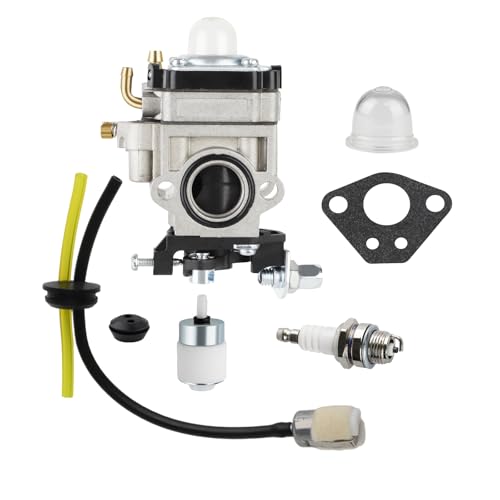
Poulan Pro PR48BT
The PR48BT packs a 48cc engine and cruise control throttle at a mid range price, giving bigger yard owners real reach without a landscaper budget. Owners report solid airflow for the outlay across fall cleanup.
Pros
- Strong engine for the price
- Cruise control throttle
- Good reach on open lots
Cons
- Heavier than budget rivals
- Harness padding is basic
The lineup, side by side
| # | Model | Engine | Best for | Score | Price |
|---|---|---|---|---|---|
| 1 | Husqvarna 350BT | 50.2cc 2-cycle | Best overall | 9.4 | Check price |
| 2 | Echo PB-580T | 58.2cc 2-cycle | Best for large properties | 9.2 | Check price |
| 3 | Ryobi RY38BP | 38cc 2-cycle | Best value | 8.9 | Check price |
| 4 | Makita EB7660TH | 75.6cc 4-stroke | Best for durability | 9.0 | Check price |
| 5 | Greenworks Pro BPB80L | 80V brushless | Best cordless | 8.7 | Check price |
| 6 | Troy-Bilt TB2BP EC | 27cc 2-cycle | Best budget | 8.3 | Check price |
| 7 | Poulan Pro PR48BT | 48cc 2-cycle | Best for value power | 8.5 | Check price |
What to look for
How much airflow do you actually need CFM measures the volume of air a blower moves while MPH measures how fast it exits the tube. For dry leaves on a small lot, moderate numbers are plenty. Wet leaves, pine needles and gravel reward higher CFM because volume is what rolls stubborn debris rather than just skimming it.
Comfort matters more than spec sheets A backpack blower you wear for thirty minutes lives or dies on its harness. Look for padded shoulder straps, a hip belt that transfers weight off your back and low vibration handles. A slightly less powerful unit that stays comfortable will out clear a brute you cannot bear to keep running.
Gas versus battery tradeoffs Gas backpack units still lead on sustained output and unlimited run time as long as you carry fuel. Battery models start instantly, run quietly and skip maintenance, but airflow and run time depend on the pack. Choose gas for large or wet properties and battery for quick, frequent cleanups near neighbors.
Maintenance and noise considerations Two stroke engines need mixed fuel and occasional spark plug and filter care. Four stroke and battery options reduce that upkeep. Whatever you pick, hearing protection is wise since most gas backpack blowers run loud enough to bother you and the block over a long session.
Good to know
Are backpack leaf blowers better than handheld ones?
For medium and large yards, yes. The weight rides on your back and hips instead of your arm, so you can run more airflow comfortably for longer. Handhelds still make sense for small patios and quick touch ups.
What CFM is good for a backpack leaf blower?
Around 400 to 500 CFM handles most suburban yards with dry leaves. If you deal with wet leaves, pine needles or big open acreage, look toward 600 CFM and up for meaningful extra clearing power.
Is CFM or MPH more important?
Both matter, but CFM does the heavy lifting for moving large piles because it is the volume of air. MPH helps dislodge stuck or wet debris. The best blowers pair strong numbers in both categories.
Do gas backpack blowers need mixed fuel?
Most two stroke models do require a gas and oil mix at the ratio in the manual. Four stroke units like some Makita models run straight gas, and battery blowers skip fuel entirely.
How heavy is too heavy for a backpack blower?
Most sit between 17 and 24 pounds. Weight matters less than harness quality, since a well padded 22 pound unit can feel lighter than a poorly balanced 18 pound one. Try to judge by the harness, not the number alone.
Can a backpack blower move wet leaves?
Yes, but you want higher airflow. Wet leaves clump and stick, so volume driven models in the 500 CFM and up range clear them far more easily than lightweight units.
Are battery backpack blowers powerful enough?
For typical dry leaf cleanup on a normal lot, current 80V models are capable and much quieter. For sustained heavy or wet debris on large properties, gas still holds an edge on output and run time.
How loud are backpack leaf blowers?
Gas backpack blowers are loud enough that hearing protection is strongly advised. Battery models run noticeably quieter, which is a real advantage in noise sensitive neighborhoods and early morning use.
Final word
For most homeowners the Husqvarna 350BT is the backpack blower to buy thanks to its comfortable harness and well judged power. Step up to the Echo PB-580T if you clear large or wet properties, or choose the Ryobi RY38BP when you want strong gas performance without stretching the budget.


