Sharp Budget Lenses That Won’t Bust Your Wallet
For most shooters, the Canon EF 50mm f/1.8 STM is the best budget lens because it delivers stunning sharpness and creamy bokeh for a very low price. Its main limitation is the fixed focal length, which may not suit every situation. If you need versatility, consider a zoom like the Sigma 17-50mm f/2.8.
Finding a high-quality lens without spending a fortune is easier than you think. The market is full of affordable options that deliver impressive results. We compared seven top contenders to help you choose.
From fast primes to versatile zooms, these lenses prove you don’t need to break the bank for great photos. Whether you shoot portraits, landscapes, or everyday scenes, there’s a budget lens here for you.
What we recommend

Canon EF 50mm f/1.8 STM
A classic nifty fifty that offers outstanding sharpness and a wide aperture for blurred backgrounds. Its STM motor provides smooth and quiet autofocus for both photos and video. The build is lightweight plastic, but the optics punch far above the price.
Pros
- Excellent sharpness for the price
- Very affordable
- Compact and light
Cons
- Plastic build feels cheap
- No image stabilization
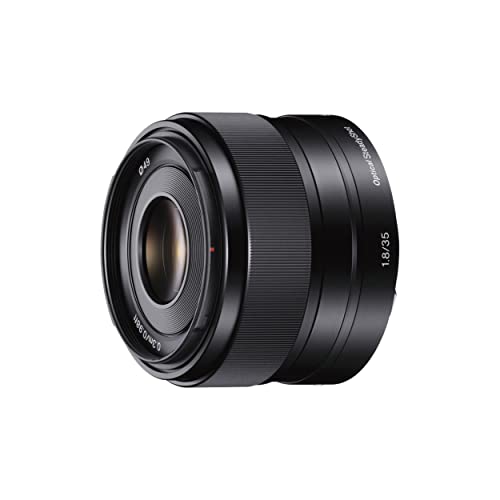
Sony E 35mm f/1.8 OSS
This lens offers a natural 52.5mm equivalent focal length, ideal for street and portrait photography. Built-in optical stabilization helps steady shots in low light. Its metal mount and compact size make it a durable everyday companion.
Pros
- Optical image stabilization
- Great build quality
- Fast and quiet autofocus
Cons
- Pricier than some rivals
- No weather sealing

Sigma 17-50mm f/2.8 EX DC OS HSM
Sigma’s constant f/2.8 aperture zoom covers a useful range from wide to portrait. Optical stabilization helps in low light, and the HSM motor delivers fast autofocus. While not as sharp as prime lenses, it offers excellent flexibility for the price.
Pros
- Constant f/2.8 aperture
- Image stabilization included
- Versatile focal range
Cons
- Heavier than prime lenses
- Some chromatic aberration

Nikon AF-P DX NIKKOR 18-55mm f/3.5-5.6G VR
The updated kit lens features a retractable design and smooth autofocus. Vibration reduction helps reduce camera shake. It’s a lightweight, affordable way to improve over the original kit lens.
Pros
- Very affordable
- Compact when retracted
- Effective VR
Cons
- Variable aperture
- Plastic lens mount
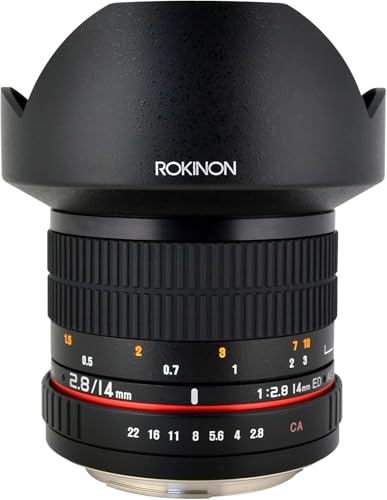
Rokinon 14mm f/2.8 IF ED UMC
A manual focus wide-angle lens known for its sharpness and low distortion. It’s a favorite among astrophotographers due to its fast aperture and wide field of view. The build is solid with a metal mount.
Pros
- Excellent for astro
- Sharp across the frame
- Low distortion
Cons
- Manual focus only
- No image stabilization

Panasonic Lumix G 25mm f/1.7 ASPH
This lens provides a 50mm equivalent field of view, making it great for portraits and everyday shots. The f/1.7 aperture allows excellent low-light performance. It’s compact and light, perfect for travel.
Pros
- Fast aperture
- Compact and light
- Sharp images
Cons
- No image stabilization
- Plastic mount

Tamron 70-300mm f/4-5.6 Di III RXD
Tamron’s telephoto zoom gives you impressive reach at a budget price. The RXD stepping motor provides fast, quiet autofocus. It’s a great option for wildlife and sports photography without the high cost.
Pros
- Long telephoto reach
- Compact and light
- Weather-sealed mount
Cons
- Variable aperture
- Not as sharp at 300mm
Compared at a glance
| # | Model | Mount | Best for | Score | Price |
|---|---|---|---|---|---|
| 1 | Canon EF 50mm f/1.8 STM | Canon EF | Portrait and low-light photography on Canon DSLRs | 9.4 | Check price |
| 2 | Sony E 35mm f/1.8 OSS | Sony E | Everyday walkaround lens on Sony APS-C mirrorless cameras | 9.2 | Check price |
| 3 | Sigma 17-50mm f/2.8 EX DC OS HSM | Canon EF / Nikon F | Versatile zoom for Canon and Nikon DSLRs | 9.0 | Check price |
| 4 | Nikon AF-P DX NIKKOR 18-55mm f/3.5-5.6G VR | Nikon F (DX) | Beginner kit lens replacement for Nikon DSLRs | 8.6 | Check price |
| 5 | Rokinon 14mm f/2.8 IF ED UMC | Canon EF, Nikon F, Sony E, etc. | Landscape and astrophotography on Canon, Nikon, Sony, and more | 8.4 | Check price |
| 6 | Panasonic Lumix G 25mm f/1.7 ASPH | Micro Four Thirds | Micro Four Thirds users wanting a fast prime | 8.8 | Check price |
| 7 | Tamron 70-300mm f/4-5.6 Di III RXD | Sony E | Telephoto reach for Sony full-frame and APS-C mirrorless | 8.2 | Check price |
How to pick the right one
Good to know
What is the best budget lens for Canon DSLR?
The Canon EF 50mm f/1.8 STM is widely considered the best budget lens for Canon DSLRs due to its sharpness, low price, and wide aperture. It’s perfect for portraits and low-light photography.
Are budget lenses any good?
Yes, many budget lenses offer excellent optical quality and features. They often compromise on build materials or maximum aperture, but they can produce sharp, professional-looking images. The key is to choose one that fits your needs.
What’s the difference between a prime lens and a zoom lens?
A prime lens has a fixed focal length, like 50mm, which means you cannot zoom. They are typically sharper and have wider apertures. A zoom lens covers a range of focal lengths, such as 18-55mm, offering flexibility but often with a smaller max aperture.
Do I need image stabilization in a budget lens?
Image stabilization is helpful for handheld shooting, especially in low light or with long telephoto lenses. If your camera body has built-in stabilization, you may not need it in the lens. Otherwise, consider lenses with IS for sharper images.
Can budget lenses be used for professional work?
Absolutely. Many professional photographers use budget lenses for certain applications. While they may not be as rugged or fast as high-end lenses, their optical quality can be superb. For example, the Rokinon 14mm is popular for astrophotography.
What is the best budget lens for Sony mirrorless cameras?
For Sony APS-C mirrorless, the Sony E 35mm f/1.8 OSS is a top choice due to its compact size, fast aperture, and image stabilization. It’s great for everyday use and low light.
Are manual focus lenses worth buying?
Manual focus lenses can be excellent for specific purposes like landscape or astrophotography, where you can take your time. They are often cheaper and offer unique characteristics. However, they require practice and are not ideal for fast-moving subjects.
How do I know which lens mount I need?
You need a lens that matches your camera’s mount, such as Canon EF, Nikon F, Sony E, or Micro Four Thirds. Check your camera body for the mount type or refer to the manufacturer’s website. Adapters exist but can affect autofocus and image quality.
Final word
For the best combination of sharpness, value, and low-light performance, choose the Canon EF 50mm f/1.8 STM if you shoot Canon DSLR. It’s a no-brainer for portraits and everyday photography. If you need a versatile zoom for various situations, the Sigma 17-50mm f/2.8 is your best bet. Both lenses deliver exceptional results without emptying your wallet.


