Upgrade Your Kit Lens: Top Picks for Sharper Photos
For most photographers, the Sigma 18-50mm F2.8 DC DN is the best kit lens upgrade because it offers a constant wide aperture in a compact, lightweight body, which dramatically improves low-light performance and depth of field control. Its main limitation is that it is only available for mirrorless cameras, so DSLR users must look elsewhere.
Kit lenses are convenient, but their slow apertures and average sharpness hold back many photographers. Upgrading to a better zoom lens can transform your images, giving you more creative control and crisp detail.
We compared top replacements from Sigma, Tamron, Canon, Nikon, Sony, and Fujifilm. These lenses are widely available on Amazon and have strong user reviews, so you can trust our list.
What to look for
Our top picks

Sigma 18-50mm F2.8 DC DN
The Sigma 18-50mm F2.8 is a stellar upgrade for APS-C mirrorless cameras from Sony, Fujifilm, and L-mount. It maintains a bright F2.8 throughout the zoom range, making it excellent in low light. Its compact size makes it a perfect everyday carry, and owners praise its sharpness across the frame.
Pros
- Constant F2.8 aperture
- Very compact and light
- Sharp even wide open
Cons
- No optical stabilization
- Plastic mount (on some versions)

Tamron 17-70mm F2.8 Di III-A VC RXD
Tamron’s 17-70mm offers a wider zoom range and adds Vibration Compensation, which is a boon for handheld shooting. It is sharp throughout, and the F2.8 aperture ensures consistent low-light performance. Owners report fast and quiet autofocus, making it a versatile workhorse.
Pros
- Built-in image stabilization
- Useful 70mm telephoto end
- Weather-sealed construction
Cons
- Heavier than Sigma 18-50
- Larger filter thread (67mm)

Canon RF 24-105mm F4-7.1 IS STM
This Canon lens is a step up from the basic RF kit lens, offering a longer reach and built-in image stabilization. It is surprisingly sharp for its price, though the variable aperture limits low-light performance. Ideal for travel and daylight shooting.
Pros
- Lightweight and compact
- Effective stabilization
- Good value for money
Cons
- Variable aperture not ideal for low light
- Plastic lens mount

Nikon Z 24-70mm F4 S
Nikon’s S-line lens delivers exceptional sharpness and build quality. The constant F4 aperture is not as bright as F2.8, but the optical performance is superb. It is a natural upgrade for Z5, Z6, and Z7 owners who want a professional-grade standard zoom.
Pros
- Outstanding sharpness
- Rugged weather-sealed build
- Fast, silent autofocus
Cons
- F4 aperture may not be enough for some
- No image stabilization (but camera has IBIS)
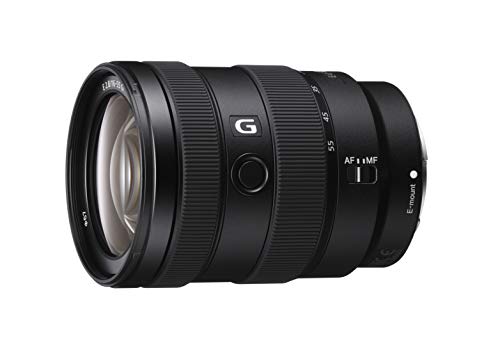
Sony E 16-55mm F2.8 G
Sony’s G-series lens is one of the sharpest zooms for APS-C cameras. It maintains F2.8 throughout, and its optics are top-tier, but it lacks optical stabilization. Owners appreciate its solid construction and fast autofocus, making it a favorite among enthusiasts.
Pros
- Exceptional sharpness
- Constant F2.8
- Professional build quality
Cons
- No image stabilization
- High price tag

Fujifilm XF 16-80mm F4 R OIS WR
The Fujifilm 16-80mm offers a flexible range and includes optical image stabilization. It is weather-resistant, making it ideal for outdoor photography. While not as fast as F2.8 lenses, its reach and stabilization compensate, and owners love its color rendition.
Pros
- Excellent zoom range
- Built-in OIS
- Weather and dust resistant
Cons
- F4 aperture can struggle in low light
- Slightly soft at telephoto end
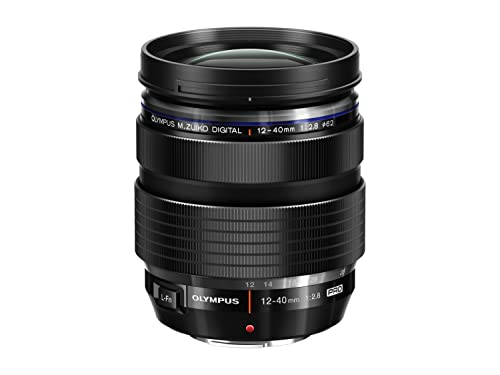
Olympus M.Zuiko Digital ED 12-40mm F2.8 PRO
Olympus’s PRO lens is a tank, built to withstand harsh conditions. It offers a constant F2.8 aperture and exceptional sharpness. The manual focus clutch is a nice touch. Owners report no issues even after years of heavy use.
Pros
- Rugged weather-sealed build
- Sharp at all focal lengths
- Manual focus clutch
Cons
- No image stabilization (but many M4/3 bodies have IBIS)
- Heavier than some rivals
Side by side
| # | Model | Mount | Best for | Score | Price |
|---|---|---|---|---|---|
| 1 | Sigma 18-50mm F2.8 DC DN | Sony E, Fujifilm X, L-Mount | Mirrorless shooters wanting a compact, fast standard zoom | 9.4 | Check price |
| 2 | Tamron 17-70mm F2.8 Di III-A VC RXD | Sony E | Sony E-m shooters who need stabilization and longer reach | 9.2 | Check price |
| 3 | Canon RF 24-105mm F4-7.1 IS STM | Canon RF | Canon EOS R users wanting a lightweight, affordable upgrade | 8.8 | Check price |
| 4 | Nikon Z 24-70mm F4 S | Nikon Z | Nikon Z full-frame users seeking a sharp, constant aperture zoom | 9.1 | Check price |
| 5 | Sony E 16-55mm F2.8 G | Sony E | Sony APS-C owners who demand ultimate sharpness | 9.0 | Check price |
| 6 | Fujifilm XF 16-80mm F4 R OIS WR | Fujifilm X | Fujifilm X mount users wanting a versatile travel zoom | 8.9 | Check price |
| 7 | Olympus M.Zuiko Digital ED 12-40mm F2.8 PRO | Micro Four Thirds | Micro Four Thirds shooters needing a rugged pro zoom | 9.0 | Check price |
Frequently asked questions
What is a kit lens?
A kit lens is the basic zoom lens that comes bundled with a camera body when you buy it as a kit. They are typically inexpensive and have variable apertures like F3.5-5.6. They are decent for beginners but have optical limitations.
Is it worth upgrading my kit lens?
Yes, if you want better image quality, especially in low light. A better lens will also improve autofocus speed and overall sharpness. Even a small upgrade can make a noticeable difference.
What is a constant aperture lens?
A constant aperture lens maintains the same maximum aperture throughout its zoom range. For example, an F2.8 zoom stays at F2.8 whether you are at 18mm or 50mm. This is beneficial for consistent exposure and low-light performance.
Do I need image stabilization in the lens?
If your camera has built-in sensor stabilization (IBIS), you may not need lens stabilization. However, if your camera lacks IBIS, a lens with optical stabilization is helpful to reduce camera shake at slower shutter speeds.
Can I use a full-frame lens on a crop sensor camera?
Yes, you can, but the field of view will be narrower because the sensor crops the image. For example, a 50mm full-frame lens on an APS-C camera gives a view equivalent to about 75mm. It is generally safe, but the lens will be larger and heavier than necessary.
What is the best upgrade for a Canon EF-S kit lens?
For Canon DSLRs, the Sigma 17-50mm F2.8 EX DC OS HSM is a popular choice. It offers a constant F2.8 aperture and image stabilization. For Canon mirrorless, the Canon RF 24-105mm F4-7.1 is a budget option, but a better choice is the Canon RF 24-105mm F4 L IS USM if you can afford it.
Are third-party lenses as good as first-party ones?
Modern third-party lenses from Sigma, Tamron, and Tokina are often optically excellent and can match or even surpass first-party lenses in some areas. They also tend to be cheaper. The main considerations are autofocus performance and firmware compatibility, but recent models are generally reliable.
How much should I spend on a kit lens upgrade?
It depends on your budget and needs. You can find good upgrades for around current price-current price while premium lenses can cost over current price. Consider what features matter most to you and buy accordingly.
Will a new lens make my photos sharper?
Yes, often. Better lenses have higher resolving power and better coatings, reducing flare and ghosting. They also have more precise autofocus motors. But technique and camera settings also play a role.
Can I use a kit lens upgrade on my camera without adapting?
You must match the lens mount to your camera. For example, a Sony E lens fits Sony E-mount cameras, a Fujifilm X lens fits Fujifilm X cameras, and so on. Using the wrong mount requires an adapter, which may affect autofocus.
The bottom line
For most mirrorless users, the Sigma 18-50mm F2.8 DC DN is the clear winner because it combines a fast, constant aperture with a compact design at a reasonable price. If you shoot on a Sony E-mount and need stabilization, the Tamron 17-70mm F2.8 is an excellent alternative. Canon RF users should consider the RF 24-105mm F4-7.1 for its value, but those needing more low-light capability might look at the RF 24-105mm F4 L. Nikon Z shooters will appreciate the sharpness of the Z 24-70mm F4 S. Ultimately, choose based on your camera system and whether you prioritize size, reach, or stabilization.


