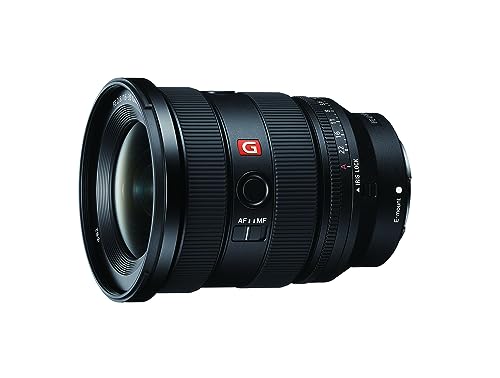
Sharp 50mm Prime Lenses for Every Camera Mount
The Sigma 50mm f/1.4 DG DN Art leads on outright optical quality for mirrorless shooters. The Canon RF 50mm f/1.8 STM and Sony FE 50mm f/1.8 are the best affordable entry points, so match the lens to your exact camera mount before buying.
The single most important rule with a 50mm lens is that it must match your camera mount, so a Canon RF lens will not fit a Sony body and vice versa. On pure quality the Sigma 50mm f/1.4 DG DN Art is the standout, while the Canon RF 50mm f/1.8 STM and Sony FE 50mm f/1.8 are the easiest affordable ways into the focal length.
A 50mm prime is tricky to shop for because the same nifty-fifty concept ships in a different version for every system, and prices swing wildly between budget and professional glass. We grouped picks by mount and weighed sharpness, aperture, autofocus and build so you can find the right one for the camera you already own.
The top picks, ranked

Sigma 50mm f/1.4 DG DN Art
Available in Sony E and L mounts, this Art lens delivers reference-grade sharpness and creamy background blur in a surprisingly compact body. It is the one to beat for portrait shooters who want professional results without a flagship price.
Pros
- Outstanding edge-to-edge sharpness
- Fast, quiet linear autofocus
- Smooth, natural bokeh
Cons
- Heavier than f/1.8 primes
- Not offered for every mount

Canon RF 50mm f/1.8 STM
This is the natural nifty-fifty for Canon’s mirrorless EOS R bodies, offering bright f/1.8 light gathering in a tiny, pocketable package. It brings the classic 50mm look to RF shooters for a modest outlay.
Pros
- Very light and compact
- Bright f/1.8 for low light
- Control ring for quick adjustments
Cons
- Some focus breathing on video
- Plastic mount

Sony FE 50mm f/1.8
The affordable full-frame nifty-fifty for Sony Alpha bodies, this lens keeps things light and simple for everyday portraits and street work. It is a sensible first prime for anyone building a Sony kit.
Pros
- Compact and affordable
- Pleasant background separation
- Lightweight for all-day carry
Cons
- Autofocus is slower and noisier
- No focus distance scale
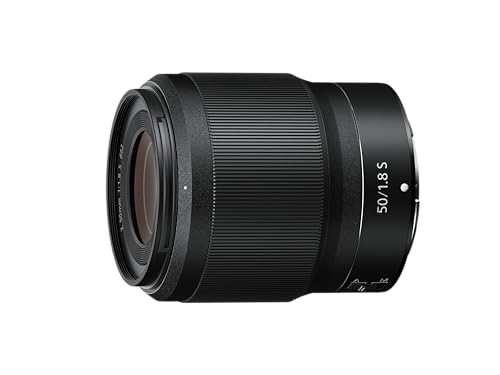
Nikon NIKKOR Z 50mm f/1.8 S
Part of Nikon’s premium S line for Z-mount mirrorless bodies, this prime punches above its f/1.8 label with near-flawless sharpness. It suits Z shooters who want professional optics without stepping up to f/1.2.
Pros
- Exceptionally sharp wide open
- Fast, silent stepping-motor autofocus
- Weather-sealed build
Cons
- Larger than typical f/1.8 lenses
- Priced above budget primes

Canon EF 50mm f/1.8 STM
The famous plastic nifty-fifty for Canon EF-mount DSLRs remains one of the best value lenses in photography. It also adapts cleanly to Canon RF bodies, making it a versatile bridge for owners moving to mirrorless.
Pros
- Excellent sharpness for the price
- Adapts to RF bodies easily
- Metal mount despite low cost
Cons
- Short manual focus ring
- Modest build materials

Nikon AF-S 50mm f/1.8G
The go-to standard prime for Nikon F-mount DSLRs, delivering crisp images and quiet focusing at a friendly price. It is the obvious choice for anyone still shooting a Nikon DSLR body.
Pros
- Sharp and reliable
- Built-in autofocus motor works on all bodies
- Lightweight and compact
Cons
- Only for F-mount DSLRs
- Plastic barrel construction

Canon RF 50mm f/1.2L USM
Canon’s flagship 50mm for RF bodies gathers extraordinary light at f/1.2 and produces a signature shallow-focus look. It is aimed at professionals and serious enthusiasts who want the ultimate nifty-fifty for their EOS R system.
Pros
- Breathtaking low-light gathering
- Beautiful subject separation
- Robust weather-sealed build
Cons
- Large, heavy and expensive
- Overkill for casual shooters
How to choose
Match the lens to your mount first This is the step people skip and regret. A 50mm lens is built for a specific mount, so a Canon RF lens will not physically fit a Sony or Nikon body. Confirm whether your camera is Canon RF, Canon EF, Sony FE, Nikon Z, Nikon F or an L-mount system, then shop only within that group unless you plan to use an adapter.
Understanding aperture and the nifty-fifty look The f-number tells you how much light the lens lets in and how shallow the background blur can be. An f/1.8 prime already blurs backgrounds far better than a kit zoom, while f/1.4 and f/1.2 push that effect further and perform better in dim rooms. For most people f/1.8 hits the sweet spot of price, size and results.
Why 50mm is such a popular focal length On a full-frame camera, 50mm roughly matches the perspective of human vision, which makes images feel natural rather than distorted. It flatters portraits, works for street and food photography, and forces you to move your feet, which quietly improves composition. On an APS-C body a 50mm behaves more like a short telephoto, which is still excellent for portraits.
Budget primes versus professional glass The affordable f/1.8 options here deliver most of the magic for a fraction of the cost of flagship lenses. Stepping up to the Sigma Art or Canon f/1.2L buys sharper corners, faster apertures and tougher weather sealing, but the difference matters most to professionals. Start with an f/1.8 and upgrade only if you hit its limits.
How they compare
| # | Model | Mount | Best for | Score | Price |
|---|---|---|---|---|---|
| 1 | Sigma 50mm f/1.4 DG DN Art | Sony E and L mount | Best overall | 9.4 | Check price |
| 2 | Canon RF 50mm f/1.8 STM | Canon RF | Best for Canon RF mount | 9.1 | Check price |
| 3 | Sony FE 50mm f/1.8 | Sony FE | Best for Sony E mount | 8.8 | Check price |
| 4 | Nikon NIKKOR Z 50mm f/1.8 S | Nikon Z | Best for Nikon Z mount | 9.2 | Check price |
| 5 | Canon EF 50mm f/1.8 STM | Canon EF | Best budget | 8.6 | Check price |
| 6 | Nikon AF-S 50mm f/1.8G | Nikon F | Best for Nikon F DSLRs | 8.5 | Check price |
| 7 | Canon RF 50mm f/1.2L USM | Canon RF | Best premium | 8.3 | Check price |
Questions worth asking
How do I know which 50mm lens fits my camera?
Check your camera’s mount, which is usually printed near the lens release or listed in the manual. Canon mirrorless uses RF, Canon DSLRs use EF, Sony full-frame uses FE, newer Nikon mirrorless uses Z and older Nikon DSLRs use F. Buy the version made for that mount.
What does the f/1.8 or f/1.4 number mean?
It is the maximum aperture, or how wide the lens can open. A lower number lets in more light and produces a blurrier background. f/1.8 is bright and affordable, while f/1.4 and f/1.2 gather even more light at a higher price and weight.
Is a 50mm lens good for portraits?
Yes. A 50mm renders flattering, natural-looking portraits with smooth background separation, especially wide open. On an APS-C camera it acts like a short telephoto, which many photographers find even better for headshots.
Can I use a 50mm lens on a crop-sensor camera?
You can, but the field of view changes. On an APS-C body a full-frame 50mm behaves closer to a 75mm to 80mm lens, making it tighter. That is great for portraits but a little long for tight indoor spaces.
Do I need image stabilization in a 50mm lens?
Not usually. The wide aperture lets you use fast shutter speeds, and many modern bodies include in-body stabilization. Stabilization is more critical on telephoto lenses than on a standard 50mm.
Why are some 50mm lenses so much cheaper than others?
Budget f/1.8 primes use simpler optics and lighter materials, which keeps them small and inexpensive while still being sharp. Premium options add faster apertures, more advanced glass, weather sealing and quieter motors, all of which raise the cost.
Can I adapt a DSLR 50mm lens to a mirrorless body?
Often yes. The Canon EF 50mm adapts smoothly to Canon RF bodies with an adapter, and similar options exist for other systems. Adapting preserves your investment when you move from a DSLR to mirrorless.
Is a 50mm prime better than my kit zoom?
For image quality in low light and background blur, yes. A 50mm prime opens far wider than a kit zoom, letting in more light and creating a stronger subject-and-background separation that a variable-aperture zoom cannot match.
Final word
The right 50mm lens is the one that fits your camera, so identify your mount before anything else. Mirrorless shooters chasing the best optics should look to the Sigma 50mm f/1.4 DG DN Art or Nikon NIKKOR Z 50mm f/1.8 S, while the Canon RF 50mm f/1.8 STM, Sony FE 50mm f/1.8 and Canon EF 50mm f/1.8 STM are the smartest affordable ways to start.