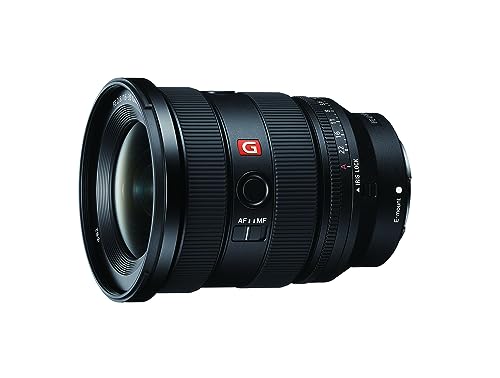
Portrait Lenses That Genuinely Flatter Every Face
For most photographers the Sony FE 85mm f/1.8 is the smartest all-round portrait lens, blending sharpness, fast focus and value. The Sigma 85mm f/1.4 DG DN Art wins for luxurious bokeh, while the Canon RF 85mm f/2 Macro adds close-up flexibility on a budget.
The Sony FE 85mm f/1.8 is the portrait lens most people should buy first, since it nails skin tones, eye detection and background blur without a punishing price. If you want dreamier separation the Sigma 85mm f/1.4 DG DN Art goes further, and the Canon RF 85mm f/2 Macro covers portraits plus detail shots.
Portraits are tricky because focal length changes facial proportions and a wide aperture leaves almost no room for focus error. We weighed real owner feedback, published sharpness behavior, autofocus reliability wide open and how each lens renders skin, then matched picks to the mounts people actually shoot.
The shortlist, ranked

Sony FE 85mm f/1.8
A short telephoto that hits the sweet spot for headshots and half-body portraits. It is light, focuses quickly on eyes and stays sharp wide open, which is why it stays glued to so many Sony bodies.
Pros
- Excellent value for a portrait prime
- Fast, confident eye autofocus
- Compact and travel friendly
Cons
- Bokeh not quite as smooth as f/1.4 rivals
- No optical stabilization

Sigma 85mm f/1.4 DG DN Art
Sigma rebuilt this Art lens to be far lighter than the old DSLR version while keeping its signature rendering. Skin looks smooth, backgrounds melt away and edge sharpness is still strong.
Pros
- Gorgeous, creamy background separation
- Sharp even at f/1.4
- Weather sealed build
Cons
- Heavier than an f/1.8 prime
- Costs more than most rivals here

Canon RF 85mm f/2 Macro IS STM
This RF prime doubles as a portrait lens and a half life size macro, so you can shoot faces then jump to rings or detail shots. Built in stabilization helps in dim rooms.
Pros
- Portrait plus macro versatility
- Optical IS steadies handheld shots
- Reasonable price for RF
Cons
- STM focus slower than USM primes
- f/2 gives less blur than f/1.4

Nikon Z 85mm f/1.8 S
Part of Nikon’s premium S line, this 85mm is clinically sharp corner to corner and controls flare well. It is a natural first portrait prime for Z shooters who want reliability.
Pros
- Extremely sharp across the frame
- Quiet, accurate autofocus
- Excellent flare and ghosting control
Cons
- Bokeh a touch busy in some scenes
- No aperture ring

Fujifilm XF 56mm f/1.2 R
On an X mount body this 56mm frames like an 85mm on full frame, making it Fuji’s classic portrait choice. The fast f/1.2 aperture throws backgrounds far out of focus.
Pros
- Beautiful subject separation on APS-C
- Renders skin tones warmly
- Solid metal build
Cons
- Older autofocus motor is not the fastest
- No weather sealing

Sony FE 50mm f/1.8
A featherweight nifty fifty that gives new Sony shooters a taste of shallow depth of field without much outlay. Better suited to environmental portraits than tight headshots.
Pros
- Very affordable entry point
- Tiny and light to carry
- Nice blur for the money
Cons
- Autofocus can hunt in low light
- 50mm distorts close facial features

Sigma 105mm f/1.4 DG HSM Art
Nicknamed the Bokeh Master, this longer prime compresses features flatteringly and isolates a subject completely. It is a specialist tool for photographers chasing dramatic headshots.
Pros
- Unmatched subject isolation
- Very flattering facial compression
- Superb center sharpness
Cons
- Large and heavy to handhold
- Needs distance from your subject
How to choose
Match the lens to your camera mount A portrait lens only helps if it physically fits your body, so confirm you are buying for Sony E, Canon RF, Nikon Z, Fujifilm X or L mount before anything else. Adapters exist but native glass focuses faster and keeps things compact, which matters when you are tracking a moving subject’s eyes.
Why focal length shapes the face Wider lenses like a 50mm sit closer and can exaggerate a nose or forehead, while 85mm to 105mm let you step back and compress features for a more flattering look. On APS-C bodies remember the crop, so a Fuji 56mm frames roughly like an 85mm would on full frame.
Aperture, bokeh and keeping eyes sharp A bright f/1.4 or f/1.8 aperture blurs backgrounds and lifts your subject off the scene, but depth of field gets razor thin, so accurate eye autofocus is essential. If you often shoot groups, stopping down to f/2.8 keeps every face acceptably sharp.
Weight, stabilization and how you shoot A light 85mm f/1.8 is easy to carry all day, whereas an f/1.4 Art prime rewards you with blur but tires your arm. Optical stabilization, as on the Canon RF 85mm Macro, helps in dim venues where you cannot raise shutter speed without adding noise.
Compared at a glance
| # | Model | Mount | Best for | Score | Price |
|---|---|---|---|---|---|
| 1 | Sony FE 85mm f/1.8 | Sony E full frame | Best overall | 9.4 | Check price |
| 2 | Sigma 85mm f/1.4 DG DN Art | Sony E and L mount | Best for bokeh | 9.3 | Check price |
| 3 | Canon RF 85mm f/2 Macro IS STM | Canon RF full frame | Best value | 9.1 | Check price |
| 4 | Nikon Z 85mm f/1.8 S | Nikon Z full frame | Best for Nikon Z | 9.2 | Check price |
| 5 | Fujifilm XF 56mm f/1.2 R | Fujifilm X APS-C | Best for APS-C | 9.0 | Check price |
| 6 | Sony FE 50mm f/1.8 | Sony E full frame | Best budget | 8.4 | Check price |
| 7 | Sigma 105mm f/1.4 DG HSM Art | Sony E, L and DSLR | Best for tight headshots | 8.9 | Check price |
Good to know
What is the best all round focal length for portraits?
85mm is the classic choice on full frame because it flatters facial proportions and gives pleasant background blur. On APS-C something around 56mm frames similarly, and 50mm works well for looser environmental portraits.
Is f/1.8 wide enough or do I need f/1.4?
For most people f/1.8 delivers plenty of background separation and sharper results with less weight and cost. Choose f/1.4 only if you specifically want the smoothest possible bokeh and extra low light headroom.
Do I need a stabilized lens for portraits?
Not usually, since portrait shutter speeds tend to be fast enough to freeze small movements. Stabilization becomes handy in dim indoor venues or when shooting slower to keep noise down.
Can I use a zoom instead of a prime for portraits?
Yes, a 24-70mm f/2.8 handles portraits nicely and adds flexibility. Dedicated primes still pull ahead on maximum blur, low light performance and often outright sharpness.
Why do my portraits look distorted?
You are probably too close with a wide lens, which enlarges nearer features like the nose. Step back and use a longer focal length such as 85mm to restore natural proportions.
Will an APS-C portrait lens work on my camera?
Only if the mount matches and the lens covers your sensor. A Fujifilm XF 56mm is built for Fuji X bodies, so do not expect it to fit a Sony or Canon camera.
Is a macro portrait lens a good idea?
It can be, since a lens like the Canon RF 85mm f/2 Macro shoots faces then switches to close detail work. Just accept slightly slower focus compared with a pure portrait prime.
Which portrait lens is best for beginners?
The Sony FE 50mm f/1.8 or Sony FE 85mm f/1.8 are gentle starting points that teach shallow depth of field without a big investment, then you can upgrade to an f/1.4 prime later.
The verdict
If you want one portrait lens that rarely disappoints, the Sony FE 85mm f/1.8 balances sharpness, focus speed and value beautifully. Chase maximum bokeh with the Sigma 85mm f/1.4 DG DN Art, and pick the Canon RF 85mm f/2 Macro when you want portraits and close-up detail in a single lens. Above all, buy for your own mount so autofocus and handling stay seamless.