Wide Angle Lenses Built for Big Landscape Scenes
The Sony FE 16-35mm f/2.8 GM II is the standout landscape zoom, pairing edge to edge sharpness with a light, sealed body. Canon shooters get the same reach in the RF 15-35mm f/2.8L IS, while the Nikon Z 14-30mm f/4 S offers superb value and packability.
For most landscape work the Sony FE 16-35mm f/2.8 GM II is the lens to beat, delivering crisp corners, useful width and a body light enough to hike with. Canon owners can reach for the RF 15-35mm f/2.8L IS, and anyone wanting value and low weight should look hard at the Nikon Z 14-30mm f/4 S.
Landscapes are demanding because detail must hold right into the corners, filters need to fit, and gear often faces wind, spray and dust on location. We compared real world sharpness reports, distortion behavior, weather sealing, filter friendliness and weight, then spread the picks across the mounts landscape shooters actually own.
Before you buy
Buy for your mount before anything else Landscape lenses live and die by native fit, so decide whether you shoot Sony E, Canon RF, Nikon Z, Fujifilm X or L mount and buy accordingly. A perfectly matched lens focuses fast and keeps the setup light for long walks to a viewpoint, which adapters rarely manage as cleanly.
Focal length and how much scene you want Around 16mm on full frame captures classic sweeping vistas, while pushing to 12mm or 14mm exaggerates foregrounds dramatically for near far compositions. On APS-C apply the crop, so a Fuji 10-24mm behaves roughly like a 15-36mm on full frame.
Corner sharpness, filters and weather sealing Landscapes reward detail into the extreme corners, so favor lenses known to hold up there rather than just center sharpness. Check whether the front takes screw in filters, since bulbous elements like the Sigma 14-24mm need bulky holders for polarizers and neutral density.
Weight versus speed on location An f/2.8 zoom helps for astro and dim blue hour work but adds heft, whereas an f/4 lens like the Nikon 14-30mm saves weight and often accepts standard filters. Match that trade off to how far you hike and whether you shoot the night sky.
The top picks, ranked
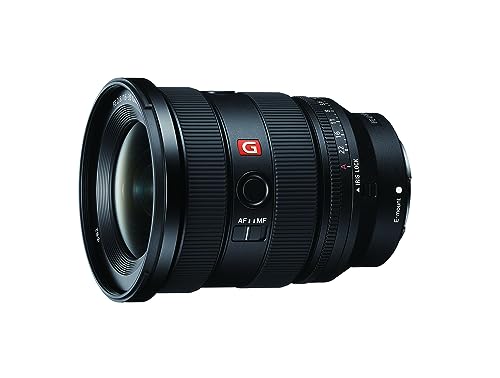
Sony FE 16-35mm f/2.8 GM II
Sony’s second generation wide zoom is dramatically lighter than the original yet sharper into the corners. The 16mm end captures sweeping scenes and the sealed barrel shrugs off trailside grit.
Pros
- Excellent corner to corner detail
- Light for a pro wide zoom
- Robust weather sealing
Cons
- Premium price
- 82mm filters are pricey

Canon RF 15-35mm f/2.8L IS USM
Canon’s flagship wide zoom pushes to a genuinely dramatic 15mm and adds optical stabilization, which is rare in this class. It is a dependable all weather choice for RF landscape shooters.
Pros
- Very wide 15mm view
- Built in image stabilization
- Weather sealed L build
Cons
- Heavy compared with f/4 options
- Some corner softness wide open

Nikon Z 14-30mm f/4 S
This f/4 zoom collapses to a compact size and, unusually for an ultra wide, takes standard 82mm screw in filters. It is a favorite for travelers who want width without bulk.
Pros
- Compact retracting design
- Accepts front screw in filters
- Strong value for the range
Cons
- f/4 limits astro and low light
- Slight vignetting at 14mm

Sigma 14-24mm f/2.8 DG DN Art
Sigma tuned this Art zoom to tame coma, so stars stay pinpoint at the edges during long exposures. It is a specialist favorite for photographers who chase the Milky Way as well as vistas.
Pros
- Excellent control of coma for stars
- Sharp corners wide open
- Sealed, dust resistant build
Cons
- Bulbous front blocks screw in filters
- Fairly heavy

Tamron 17-28mm f/2.8 Di III RXD
Tamron delivers a fast f/2.8 wide zoom at a fraction of first party cost, in a light and compact shell. The trade off is a slightly shorter range, but image quality punches above its price.
Pros
- Affordable f/2.8 aperture
- Light and travel friendly
- Sharp center performance
Cons
- Shorter range than rivals
- Corners soften a little wide open

Sony FE 12-24mm f/4 G
Reaching an astonishing 12mm, this G zoom captures interiors, tight canyons and expansive skies that normal wides cannot. It stays compact for how much scene it swallows.
Pros
- Exceptionally wide field of view
- Compact for an ultra wide
- Even sharpness across the frame
Cons
- No front filter thread
- Ultra wide angles are tricky to compose
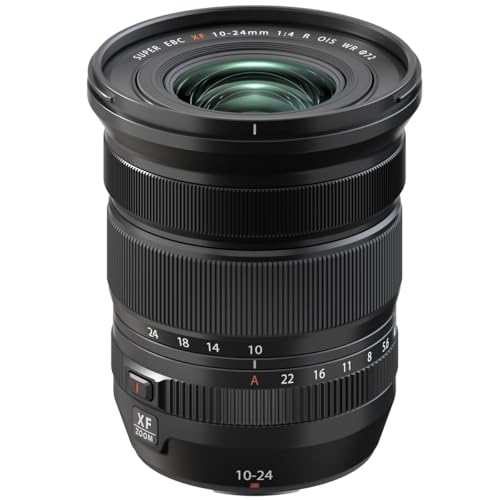
Fujifilm XF 10-24mm f/4 R OIS WR
On an X mount body this covers roughly 15mm to 36mm equivalent, a versatile landscape span, and adds stabilization plus weather resistance. A tidy one lens wide kit for Fuji hikers.
Pros
- Stabilized and weather resistant
- Flexible wide to standard range
- Takes 72mm filters
Cons
- f/4 only across the zoom
- APS-C gathers less light than full frame
How they stack up
| # | Model | Mount | Best for | Score | Price |
|---|---|---|---|---|---|
| 1 | Sony FE 16-35mm f/2.8 GM II | Sony E full frame | Best overall | 9.5 | Check price |
| 2 | Canon RF 15-35mm f/2.8L IS USM | Canon RF full frame | Best for Canon RF | 9.3 | Check price |
| 3 | Nikon Z 14-30mm f/4 S | Nikon Z full frame | Best value | 9.2 | Check price |
| 4 | Sigma 14-24mm f/2.8 DG DN Art | Sony E and L mount | Best for astro | 9.1 | Check price |
| 5 | Tamron 17-28mm f/2.8 Di III RXD | Sony E full frame | Best budget | 8.8 | Check price |
| 6 | Sony FE 12-24mm f/4 G | Sony E full frame | Best ultra-wide | 8.9 | Check price |
| 7 | Fujifilm XF 10-24mm f/4 R OIS WR | Fujifilm X APS-C | Best for APS-C | 8.7 | Check price |
Common questions
What focal length is best for landscapes?
Something in the 14mm to 35mm range on full frame covers most landscape needs, with 16mm being a versatile default. Go wider for dramatic foregrounds and narrower when you want to isolate distant features.
Do I need f/2.8 or is f/4 fine for landscapes?
For daytime scenics f/4 is plenty since you usually stop down for depth of field anyway. Choose f/2.8 mainly if you shoot the Milky Way or want the option of faster shutter speeds in low light.
Can I use screw in filters on ultra wide lenses?
It depends on the design. Flat fronted lenses like the Nikon Z 14-30mm take normal filters, while bulbous ones such as the Sigma 14-24mm need a larger dedicated filter holder.
Is weather sealing important for landscape lenses?
Yes, because landscape work often means wind, spray, dust and sudden weather. A sealed lens gives peace of mind, though you should still avoid changing lenses in heavy rain or blowing sand.
Are APS-C lenses good enough for landscapes?
Absolutely, a lens like the Fujifilm XF 10-24mm produces detailed, wide results. Full frame simply gathers more light and offers a touch more dynamic range in very challenging scenes.
Should I pick a prime or a zoom for landscapes?
Zooms are more practical on location because they let you refine framing without moving on cliff edges. Primes can be sharper and lighter but limit your compositional flexibility.
Why do my landscape corners look soft?
Cheaper wides can struggle at the extreme edges, especially wide open. Stopping down to around f/8 usually sharpens the corners noticeably and increases depth of field at the same time.
Which lens is best for astrophotography landscapes?
The Sigma 14-24mm f/2.8 DG DN Art is a strong pick because it controls coma so stars stay crisp at the edges, and its fast aperture gathers plenty of light under dark skies.
The verdict
The Sony FE 16-35mm f/2.8 GM II is the wide zoom most landscape shooters will love, marrying corner sharpness, sealing and a manageable weight. Canon owners get equivalent reach and stabilization in the RF 15-35mm f/2.8L IS, while the Nikon Z 14-30mm f/4 S is the value and packability champion. Astro fans should skip straight to the Sigma 14-24mm, and always buy native for your mount.


