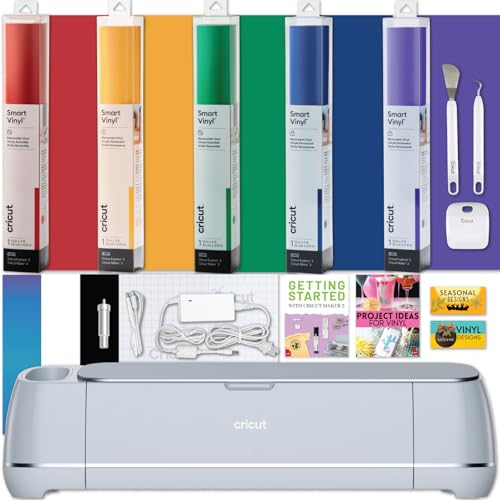
Is a Craft Cutting Machine Worth It for Beginners?
Cricut Explore 3 is the best all round craft cutting machine for vinyl and cardstock. Silhouette Cameo 4 gives the most manual control and works with open file formats. Cricut Joy Xtra fits tight desks best, and Brother ScanNCut DX SDX85 stands apart for scanning existing artwork.
Cricut Explore 3 tops this list for everyday vinyl and paper crafting. Silhouette Cameo 4 suits anyone who wants manual control and open file formats instead. Small desks and quick projects favor the Cricut Joy Xtra, while scanning hand drawn artwork is where the Brother ScanNCut DX SDX85 pulls ahead.
These machines look alike on paper but behave very differently day to day, and the software you commit to matters as much as the hardware itself. We compared published cutting force, mat and material widths, blade systems and what owners report about the learning curve and ongoing material costs.
The top picks, ranked

Cricut Explore 3
Smart Materials cut without a mat in continuous lengths, saving real setup time on decals and heat transfer designs. Over a hundred material types are supported, and cutting speed doubles against the prior generation. Design Space is the only software option, so every project runs inside Cricut’s ecosystem.
Pros
- Matless cutting saves considerable setup time
- Fast and consistent on vinyl and cardstock
- Dual carriage writes and cuts in one pass
Cons
- Design Space requires an internet connection
- Smart Materials cost more than generic rolls

Silhouette Cameo 4
Blade depth, force and speed are all manually adjustable, which experienced crafters use to dial in awkward materials. Silhouette Studio runs offline and imports common vector formats, so no subscription library is required. Expect a steeper learning curve than Design Space in exchange for that control.
Pros
- Full manual control over cut settings
- Software works offline with common formats
- High cutting force for thicker stock
Cons
- Steeper learning curve
- Some features locked behind Studio upgrades
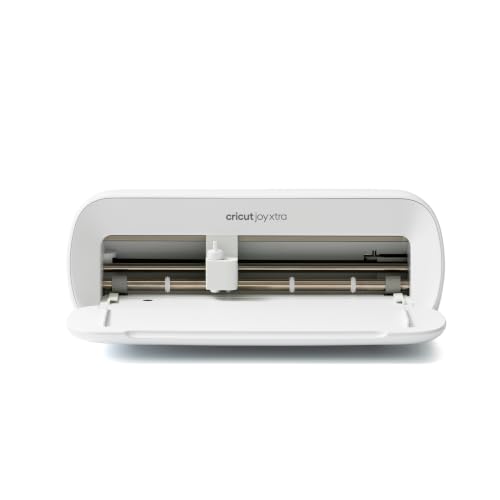
Cricut Joy Xtra
Sized between the tiny Joy and the full size Explore, this machine cuts up to 8.5 inches wide while still fitting on a small desk. Print then cut sticker support covers a large share of casual crafting. Owners report it is the easiest machine here to get a first successful cut from.
Pros
- Genuinely small footprint
- Print then cut sticker support
- Simplest setup of the group
Cons
- Narrower cutting width limits larger designs
- Not suited to thick materials
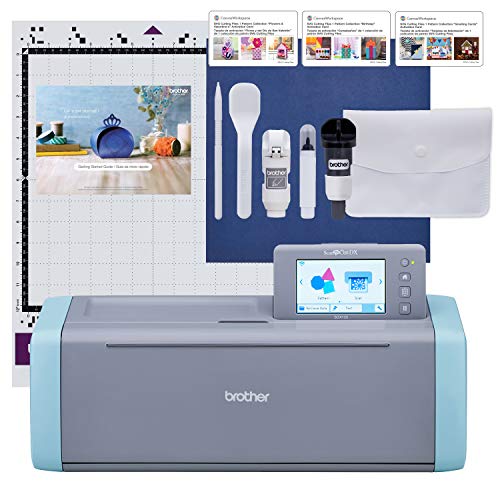
Brother ScanNCut DX SDX85
A built in scanner turns hand drawn artwork or printed shapes into cut files without touching a computer. Every step runs from the on machine touchscreen, so the whole workflow stays standalone. Cut quality holds up well, though its onboard design tools stay simpler than Design Space or Silhouette Studio.
Pros
- Scans artwork directly into cut files
- Works without a computer or app
- Auto blade adjusts to material thickness
Cons
- On machine design tools are limited
- Fewer community project resources

Silhouette Portrait 3
Cameo style manual control fits into a much smaller body here, with the same autoblade system and offline software. An 8 inch cutting width rules out larger shirt designs but covers most sticker, card and stencil work. Bluetooth connectivity keeps it tucked away from the laptop while cutting.
Pros
- Manual control in a compact machine
- Offline software with open formats
- Good price to capability balance
Cons
- 8 inch width is restrictive
- Lower force than the Cameo range

Cricut Joy
Labels, cards and short vinyl runs suit this machine better than full sized projects. Long continuous lengths of Smart Vinyl cut without a mat, handy for organizing and signage work. Anyone planning shirt transfers should look further up this list, since the 4.5 inch width limits apparel work.
Pros
- Very small and light
- Long matless vinyl runs
- Lowest cost entry into Cricut
Cons
- 4.5 inch width rules out most apparel work
- Limited material range

Sizzix Big Shot Plus Manual Die Cutting Machine
A hand cranked roller press replaces the blade entirely, running steel rule dies and embossing folders instead of digital files. Consistent shapes and textured card come out clean with zero software involved. Custom digital designs are off the table, which is why this sits last for general crafting.
Pros
- No electricity or software at all
- Excellent embossing results
- Cuts thicker materials than blade machines
Cons
- Cannot cut custom digital designs
- Dies must be bought individually
How to pick the right one
What should you look for in a craft cutting machine? Cutting force, mat width and software all trade off against each other, and no single machine wins every category. Around 400 grams of force handles vinyl, paper and thin card. Chipboard, leather and craft foam need a machine rated well above 2000 grams. Start with the materials you actually plan to cut.
Cricut or Silhouette: how much does software lock-in matter? Cricut machines only run Design Space, which is polished and beginner friendly but needs an internet connection and nudges you toward its own image library. Silhouette Studio runs offline and imports standard vector files, which suits anyone already working in design software. Brother’s ScanNCut sits apart, running standalone from its own screen.
How wide a mat do you actually need? A 12 inch mat is the standard, giving roughly 11.5 inches of usable width. Matless cutting on Smart Materials removes the length limit entirely, which matters for banners and long decals. Machines capped at 8 or 4.5 inches suit cards, labels and stickers but frustrate anyone making shirt designs or large stencils.
What do ongoing material costs look like? The machine purchase is only part of the spend. Mats lose their tack over time, blades dull with heavy use, and proprietary Smart Materials cost more per foot than generic rolls. Machines that accept third party vinyl on a standard mat keep long term costs lower than convenience focused matless cutting.
How they stack up
| # | Model | Max material width | Best for | Score | Price |
|---|---|---|---|---|---|
| 1 | Cricut Explore 3 | 13 inches | Best overall | 9.4 | Check price |
| 2 | Silhouette Cameo 4 | 12 inches | Best for design control | 9.2 | Check price |
| 3 | Cricut Joy Xtra | 8.5 inches | Best for small spaces | 9.0 | Check price |
| 4 | Brother ScanNCut DX SDX85 | 12 inches | Best for scanning artwork | 8.8 | Check price |
| 5 | Silhouette Portrait 3 | 8 inches | Best value | 8.6 | Check price |
| 6 | Cricut Joy | 4.5 inches | Best budget | 8.3 | Check price |
| 7 | Sizzix Big Shot Plus Manual Die Cutting Machine | Manual roller die cutter | Best for die cutting and embossing | 8.0 | Check price |
Questions worth asking
Which craft cutting machine is easiest for a complete beginner?
Cricut Joy Xtra and Explore 3 are the most forgiving, since Design Space suggests material settings and the machine adjusts automatically. Owners consistently report getting a usable first cut within an hour.
Can these machines cut fabric?
Yes, with the right blade and a fabric grip mat. Silhouette Cameo 4 and the Cricut Maker range handle fabric best because of their higher cutting force and rotary blade options. Thin cotton works on most machines with a stabilizer backing.
Do I need an internet connection to use a Cricut?
Design Space needs a connection to load projects and sync your account, though limited offline use exists on mobile. Silhouette Studio works fully offline, a real advantage in a workshop with poor signal.
Cricut Explore vs Maker: what is the actual difference?
Maker machines carry far higher cutting force and support rotary and knife blades for fabric, leather and thin wood. Explore machines run faster and cost less but stay limited to lighter materials. Pick Maker only if thick stock is genuinely part of your plans.
How long do cutting mats last?
Based on owner reports, a standard grip mat stays usable for roughly twenty to forty projects before the adhesive weakens. Cleaning with a lint roller and keeping the protective film on between uses extends that considerably.
Can I use third party vinyl on a Cricut or Silhouette?
Yes, on a standard cutting mat. Matless Smart Materials only work with the manufacturer’s own rolls, since the machine relies on the backing to feed correctly. Most crafters mix both depending on the project.
Does the Brother ScanNCut work without a computer?
It does. The SDX85 has a built in touchscreen and scanner, so shapes get scanned, adjusted and cut entirely on the machine. That makes it the most independent option here.
Which machine handles sticker making best?
Any model with print then cut support, which covers the Cricut Explore 3, Joy Xtra and both Silhouette machines. A home printer lays down the design, then the machine reads registration marks and cuts around the artwork.
Is a die cutting machine like the Sizzix Big Shot worth it alongside a digital cutter?
For repeat shapes and embossing, yes; a hand cranked press works faster than loading a file for a shape you cut often. It cannot replace a digital cutter for custom designs, so most serious crafters end up owning both.
The bottom line
Cricut Explore 3 gives most crafters the right balance of speed, material range and ease of use, especially where matless cutting saves real time. Anyone already working in vector software, or who wants offline control, should choose the Silhouette Cameo 4 instead. Cricut Joy Xtra covers small space crafting well, and the Brother ScanNCut DX SDX85 remains the only sensible pick when scanning existing artwork is central to the work.