Top Door and Window Sensors for Smart Home Alerts
The Aqara Door and Window Sensor P2 stands out for its compact design and seamless HomeKit integration, making it ideal for Apple users. Its main advantage is the reliable thread protocol for fast responses. However, it requires an Aqara hub, which is an extra cost.
A door and window sensor is a simple yet powerful addition to any smart home. It alerts you when a door or window opens, enhancing security and enabling automation. With many options available, choosing the right one can be tricky.
We compared the most popular models on the market to help you decide. Our focus is on real-world performance, battery longevity, and integration with major platforms like Alexa, Google Home, and Apple HomeKit.
How to pick the right one
The top picks, ranked

Aqara Door and Window Sensor P2
The Aqara P2 is a sleek, compact sensor that uses Thread for fast and reliable communication. It is part of the Aqara ecosystem and requires an Aqara hub, but it works seamlessly with HomeKit. Owners report quick alerts and a long battery life of up to 2 years.
Pros
- Very compact and easy to hide
- Fast alerts with Thread support
- Integrates with HomeKit and Alexa
Cons
- Requires separate Aqara hub
- No built-in temperature sensor

Sengled Smart Door and Window Sensor
Sengled’s sensor offers excellent value for money. It connects via Zigbee and works with Alexa and SmartThings without a proprietary hub. Users appreciate its low profile and long battery life. Installation is simple with the included 3M tape.
Pros
- Affordable price point
- Compatible with many hubs
- Easy setup
Cons
- No HomeKit support
- Plastic build feels less premium

eve Motion and Contact Sensor (formerly Eve Door and Window)
The Eve sensor is a Thread-based device that works with HomeKit and offers complete privacy since it does not require a cloud connection. It is built with premium materials and has a sleek design. Battery life is rated at around 2 years.
Pros
- No cloud needed, privacy first
- Sleek design with high-quality materials
- Fast Thread connectivity
Cons
- May require a recent Apple device for Thread
- Higher price point

Ring Alarm Contact Sensor (2nd Gen)
Ring’s sensor is designed to integrate with Ring Alarm security systems, but it also works with Alexa. It has a slim profile and is easy to install. The sensor sends instant alerts to your phone and can trigger Ring cameras.
Pros
- Seamless integration with Ring cameras
- Long battery life
- Reliable Z-Wave connectivity
Cons
- Requires Ring Alarm hub
- No HomeKit support
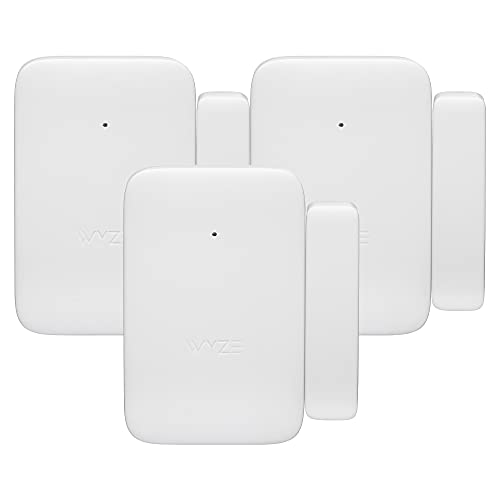
Wyze Contact Sensor
The Wyze Contact Sensor is extremely affordable and offers reliable performance. It connects via Bluetooth to the Wyze Sense Hub (sold separately), which connects to your Wi-Fi. Users report good battery life and easy setup with the Wyze app.
Pros
- Very low cost
- Works with Wyze cameras for automation
- Simple app setup
Cons
- Needs separate hub
- No third-party smart home support

GE Cync Smart Motion and Contact Sensor
GE Cync’s sensor works with the Cync app and supports Alexa and Google Assistant. It is known for its easy installation and clear alerts. The sensor also detects temperature changes, which can trigger automations.
Pros
- Built-in temperature sensor
- No hub required for basic use
- Affordable
Cons
- Limited to Cync ecosystem for advanced features
- Bulky design
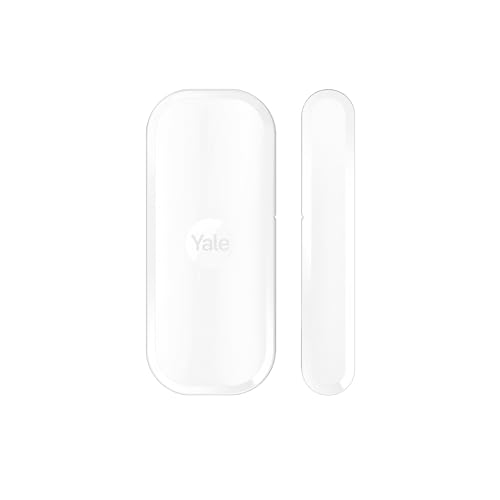
Yale Door and Window Sensor
Yale’s sensor works with the Yale Connect Wi-Fi bridge and integrates with Amazon Alexa and Google Assistant. It is designed to complement Yale smart locks, providing a complete security solution. The sensor is robust and weather-resistant, suitable for outdoor gates.
Pros
- Durable waterproof design
- Works with Yale locks for unified alerts
- Long battery life
Cons
- Requires Yale bridge
- Higher cost
The lineup, side by side
| # | Model | Connectivity | Best for | Score | Price |
|---|---|---|---|---|---|
| 1 | Aqara Door and Window Sensor P2 | Zigbee 3.0 via hub, Thread | Apple HomeKit users | 9.4 | Check price |
| 2 | Sengled Smart Door and Window Sensor | Zigbee 3.0 | Alexa and SmartThings users | 9.1 | Check price |
| 3 | eve Motion and Contact Sensor (formerly Eve Door and Window) | Thread (Bluetooth fallback) | Privacy-focused Apple users | 9.0 | Check price |
| 4 | Ring Alarm Contact Sensor (2nd Gen) | Z-Wave | Ring Alarm system users | 8.8 | Check price |
| 5 | Wyze Contact Sensor | Bluetooth to Wyze Sense Hub | Budget-conscious users | 8.5 | Check price |
| 6 | GE Cync Smart Motion and Contact Sensor | Bluetooth and Wi-Fi (via Cync app) | Cync and C by GE users | 8.3 | Check price |
| 7 | Yale Door and Window Sensor | Zigbee via Yale bridge | Yale smart lock owners | 8.0 | Check price |
Common questions
Do door and window sensors work without a hub?
Some sensors work directly with Wi-Fi or Bluetooth, but many require a hub to connect to the internet. For example, the Wyze sensor needs a Wyze Sense Hub. The Sengled sensor works with Amazon Echo Plus, which has a built-in Zigbee hub. Always check the compatibility requirements before buying.
Can I use a door sensor outdoors?
Most sensors are designed for indoor use, but some like the Yale sensor are weather-resistant and can be used for gates or outdoor sheds. Check the IP rating for water resistance. Indoor sensors may not withstand extreme temperatures or moisture.
Will a door sensor work with my existing security system?
It depends on the brand. Sensors from Ring, Yale, and others are designed to work with their own security ecosystems. If you have a smart home hub like Samsung SmartThings, you can often add compatible sensors. For professional monitoring, you may need a sensor that integrates with systems like ADT or Vivint.
How do I reset a door and window sensor?
To reset, remove the battery, wait a few seconds, and reinsert it. For some models, you may need to press a reset button with a pin. Consult the user manual for specific instructions. After resetting, you will need to reconnect the sensor to your hub or app.
What is the difference between Zigbee and Z-Wave?
Zigbee and Z-Wave are both mesh network protocols used by smart home devices. Zigbee uses the 2.4 GHz band and is more common in devices like Hue and Aqara. Z-Wave uses lower frequencies (around 900 MHz in the US) and has less interference but requires a Z-Wave hub. Both are reliable for security sensors.
Can a door sensor trigger automations?
Yes, you can create automations like turning on lights when a door opens. For example, with Alexa, you can set a routine: ‘When the front door opens, turn on the living room lights.’ The sensor must be properly connected to your smart home platform to enable these triggers.
How do I know if a sensor is compatible with HomeKit?
Look for ‘Works with Apple HomeKit’ on the packaging or product specifications. HomeKit sensors typically require an Apple Home hub like an iPad, Apple TV, or HomePod to automate and access remotely. Some sensors use Thread, which works with HomeKit and requires a Thread border router.
Are door sensors difficult to install?
No, most are very easy to install. You just peel off the adhesive tape and stick the two parts on the door and frame. Some come with screws for a more permanent mount. Ensure the surfaces are clean and dry. Installation takes less than 10 minutes.
What is the range of a door sensor?
The range depends on the wireless protocol. Zigbee and Z-Wave have a range of about 30 to 60 feet indoors, but mesh networking extends that via other devices. Bluetooth is typically 30 feet. Thread also has a similar range. If you have a large home, consider a sensor that uses a mesh network.
Can I use a door sensor for a window?
Yes, the same sensor can be used on windows. The only difference is the size of the gap. Most sensors have an adjustable gap that can accommodate up to 1.2 inches. For larger gaps, you may need a specialized sensor or a different mounting method.
The verdict
For most households, the Aqara Door and Window Sensor P2 is the best choice due to its compact size and reliable Thread connectivity, especially if you are invested in the Apple ecosystem. If you are on a budget and use Alexa, the Sengled sensor offers excellent value. For those who want a privacy-first option without cloud dependency, the Eve Contact Sensor is your best bet. Choose the one that aligns with your smart home platform and security needs.


