Beginner DSLR Cameras Worth Learning Photography On
The Nikon D3500 is the friendliest first DSLR thanks to its guided menus and long battery life. The Canon EOS Rebel T7 offers the best value with a familiar interface, while the Canon EOS Rebel SL3 stays impressively small and light for travel.
If you want one starter DSLR, the Nikon D3500 is the easiest to learn on, the Canon EOS Rebel T7 gives you the most camera for the least money, and the Canon EOS Rebel SL3 is the pick when size matters. Any of the three will teach you the fundamentals without fighting you.
Choosing a first DSLR is tricky because spec sheets rarely tell you how a camera feels in the hand or how quickly beginners outgrow it. We weighed autofocus reliability, menu clarity, battery stamina, kit-lens quality and the size of each system so the camera still makes sense a year from now.
Our top picks

Nikon D3500
The D3500 pairs a large APS-C sensor with a built-in Guide Mode that explains settings as you shoot. Battery life is exceptional, so a single charge easily covers a full day of learning.
Pros
- Guide Mode teaches settings as you go
- Class-leading battery life
- Light and comfortable to hold
Cons
- Fixed rear screen
- No built-in microphone jack

Canon EOS Rebel T7
Sold as the EOS 2000D outside North America, the Rebel T7 delivers a proven Canon interface and solid image quality for very little outlay. It is a sensible landing spot for anyone wary of overspending on a first camera.
Pros
- Approachable Canon menu system
- Generous 24MP resolution for the money
- Wi-Fi for quick phone transfers
Cons
- Nine-point autofocus feels dated
- Slower continuous shooting

Canon EOS Rebel SL3
Known as the EOS 250D in many regions, the SL3 is one of the smallest DSLRs made yet keeps a fully articulating touchscreen. It suits travelers who want reach and a viewfinder without the bulk.
Pros
- Very compact for a DSLR
- Flip-out touchscreen for vlogging angles
- Fast Dual Pixel autofocus in live view
Cons
- 4K video is heavily cropped
- Single control dial
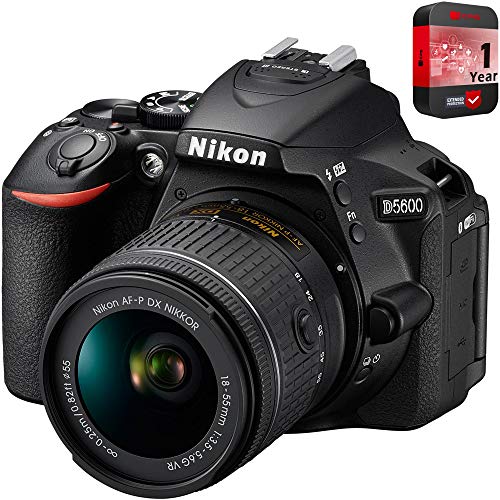
Nikon D5600
The D5600 adds a vari-angle touchscreen and a stronger 39-point autofocus module over the D3500. It rewards beginners who expect to push into manual shooting and want a body that keeps pace.
Pros
- Flexible articulating touchscreen
- More autofocus points than the D3500
- Comfortable deep grip
Cons
- No in-body image stabilization
- Costs more than starter bodies

Pentax K-70
The K-70 stands out with a fully weather-sealed body and in-camera shake reduction, features rare at this level. Hikers and anyone shooting in unpredictable conditions get real peace of mind.
Pros
- Weather-sealed against dust and rain
- Built-in stabilization works with any lens
- Bright pentaprism viewfinder
Cons
- Smaller lens ecosystem
- Live-view autofocus lags rivals

Canon EOS 90D
The 90D is a beginner camera you are unlikely to outgrow quickly, packing a high-resolution sensor and fast burst shooting. It fits ambitious newcomers who want sports and wildlife capability on day one.
Pros
- High 32.5MP detail
- Quick continuous shooting for action
- Twin control dials and joystick
Cons
- Heavier than starter bodies
- More menus to learn upfront
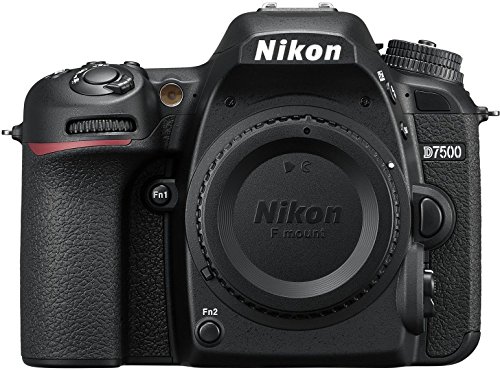
Nikon D7500
Borrowing sensor tech from Nikon’s higher tier, the D7500 shoots quick bursts with a rugged, sealed body. It appeals to beginners drawn to sports, pets or wildlife who want headroom from the start.
Pros
- Reliable tracking autofocus
- Excellent high-ISO performance
- Weather-sealed magnesium build
Cons
- Single memory card slot
- Priced above true entry level
How they compare
| # | Model | Sensor | Best for | Score | Price |
|---|---|---|---|---|---|
| 1 | Nikon D3500 | 24.2MP APS-C | Best overall | 9.4 | Check price |
| 2 | Canon EOS Rebel T7 | 24.1MP APS-C | Best value | 9.0 | Check price |
| 3 | Canon EOS Rebel SL3 | 24.1MP APS-C | Best for travel | 8.9 | Check price |
| 4 | Nikon D5600 | 24.2MP APS-C | Best for creative control | 8.8 | Check price |
| 5 | Pentax K-70 | 24.2MP APS-C | Best for outdoor use | 8.6 | Check price |
| 6 | Canon EOS 90D | 32.5MP APS-C | Best for room to grow | 8.4 | Check price |
| 7 | Nikon D7500 | 20.9MP APS-C | Best for fast action | 8.2 | Check price |
What to look for
Why sensor size matters more than megapixels Every camera here uses an APS-C sensor, which is far larger than a phone sensor and the real reason DSLR photos look cleaner in low light. Chasing higher megapixel counts brings diminishing returns for beginners, so prioritize a body that feels good and focuses reliably over a bigger number on the box.
Autofocus and how quickly you will outgrow a body Entry bodies like the D3500 use simpler autofocus that is fine for portraits and landscapes but struggles with fast movement. If you already know you want to shoot sports, pets or kids running around, stepping up to a 39-point or 51-point system saves you from replacing the camera within a year.
The kit lens question Most of these cameras sell with an 18-55mm kit lens that is perfectly capable while you learn. The bigger long-term cost is the lens system itself, so think about whether Canon, Nikon or Pentax has the affordable primes and zooms you will want next before you commit.
Handling, weight and screens A camera you enjoy holding is a camera you actually carry. Compact bodies like the SL3 travel easily, while articulating touchscreens help with low or high angles and casual video. Handle a few if you can, because grip comfort and menu clarity influence how fast you learn more than any spec.
Questions worth asking
Is a DSLR still worth buying over a mirrorless camera?
Yes for beginners on a budget. DSLRs like these are widely available at low prices, have huge selections of affordable used lenses, and their optical viewfinders make learning composition intuitive. Mirrorless is the newer path, but a DSLR teaches the same fundamentals for less.
Do I need to buy extra lenses right away?
No. The bundled 18-55mm kit lens covers everyday shooting and is a fine place to start. Once you understand what you enjoy photographing, a single affordable prime lens is usually the most rewarding next purchase.
What is the easiest DSLR to learn on?
The Nikon D3500 is the standout for absolute beginners because its Guide Mode walks you through exposure settings on screen and explains what each control does as you adjust it.
How important is 4K video for a first camera?
For most newcomers it is a bonus rather than a deciding factor. If video is a priority, the SL3 and 90D handle it, but the SL3 crops its 4K heavily, so check the mode before relying on it.
Will these cameras work with older lenses?
Canon EF and EF-S lenses fit the Canon bodies, and Nikon F-mount lenses fit the Nikon bodies, including many older models. This backward compatibility is a major reason DSLRs remain affordable to build a kit around.
How many megapixels do I actually need?
The 24MP found in most of these cameras is plenty for large prints and heavy cropping. The 32.5MP Canon 90D gives extra room to crop, but more resolution also means bigger files, so it is not automatically better for a beginner.
Should I buy new or used?
Buying new gives you warranty coverage and a known shutter count, which matters for a first camera. Used bodies can stretch a budget further, but stick to reputable sellers and check the shutter actuations before committing.
Is weather sealing necessary for a beginner?
Only if you shoot outdoors in rough conditions. Most people learning indoors or in fair weather will not miss it, but hikers and travelers may appreciate the sealed Pentax K-70 or the tougher Nikon D7500.
Our pick
For most people learning photography, the Nikon D3500 is the smartest first DSLR because it teaches as you shoot and lasts all day on a charge. Budget-focused buyers should look at the Canon EOS Rebel T7, and if you already know you want speed and headroom, the Canon EOS 90D or Nikon D7500 will keep up as your skills grow.
