Ductless Mini Splits Compared for Room by Room Cooling
MRCOOL DIY 4th Gen leads because its precharged quick connect line set makes a real self install possible. Pioneer Diamante Series delivers strong value once a professional handles the install. Senville LETO Series stands out for heating performance when temperatures drop well below freezing.
MRCOOL DIY 4th Gen tops this list because its precharged quick connect line set removes the step that usually forces a contractor call. Pioneer Diamante Series makes more sense once an installer is already booked, at a lower price than premium rivals. Senville LETO Series belongs on the shortlist wherever winter heating performance matters more than summer cooling.
Two mini splits with identical BTU ratings can behave very differently once outdoor temperatures drop, and install path affects total cost more than the equipment itself. We compared SEER2 and HSPF2 ratings, rated heating capacity at low ambient temperatures, line set length and connection type, compressor design, and published noise figures. Owner reports on install difficulty and warranty registration requirements factored into the ranking too.
How to choose
How do you size a mini split correctly? Buying extra capacity feels safe, but it backfires with mini splits. An oversized unit reaches the set temperature fast, shuts off, and never runs long enough to pull humidity from the air. That leaves a cold, clammy room and a compressor that short cycles itself toward an early failure. A rough starting point is 20 BTU per square foot, adjusted upward for poor insulation, large west facing windows, high ceilings, or a kitchen. A proper load calculation before ordering saves money later.
What do SEER2 and HSPF2 actually measure? SEER2 measures cooling efficiency across a season, while HSPF2 does the same for heating, both under revised test conditions that replaced the older SEER and HSPF standards. Higher numbers mean lower running costs for the same output. A rating in the low twenties versus the high teens is real, but it can take years to repay a large price difference. Weigh the number against how many hours the system actually runs in your climate.
Should you install a mini split yourself? A conventional mini split needs its line set evacuated with a vacuum pump and charged with refrigerant, work that requires certification in many regions. Precharged quick connect systems exist specifically to skip that step, which is why they command a premium. Even a DIY system still needs a wall penetration, a mounted outdoor unit, and a dedicated electrical circuit. Be honest about which of those tasks you can actually handle.
Do mini splits heat well in cold weather? Every heat pump loses capacity as outdoor temperature drops, since it moves heat rather than generating it. Manufacturers publish rated heating output at specific outdoor temperatures, and that table matters more than the headline BTU figure for winter use. Models rated well below freezing hold their output better. Check whether a base pan heater is included too, since ice under the outdoor coil during defrost cycles is a common cold climate failure point.
What we recommend

MRCOOL DIY 4th Gen 12,000 BTU Mini Split
MRCOOL designed this line so a competent homeowner can skip the vacuum pump and refrigerant license entirely. The line set arrives precharged with quick connect fittings, turning what is usually a contractor visit into a weekend project. Owners report the wall penetration and electrical hookup remain the hardest parts of the job.
Pros
- Genuine self install path without specialized tools
- Efficiency rating stays strong for a DIY system
- App control comes standard, not as an add on
Cons
- Line set lengths are fixed and cannot be field cut
- Electrical work may still need a licensed electrician

Pioneer Diamante Series Mini Split
Pioneer has sold direct to both homeowners and contractors for years. Diamante Series covers mainstream capacities with a variable speed inverter compressor. Efficiency and build quality land solidly in the middle of the field, while price stays lower than premium brands.
Pros
- Strong efficiency relative to the price
- Wide capacity range within one series
- Established parts and support network
Cons
- Requires a professional to evacuate the lines
- Documentation assumes some HVAC background
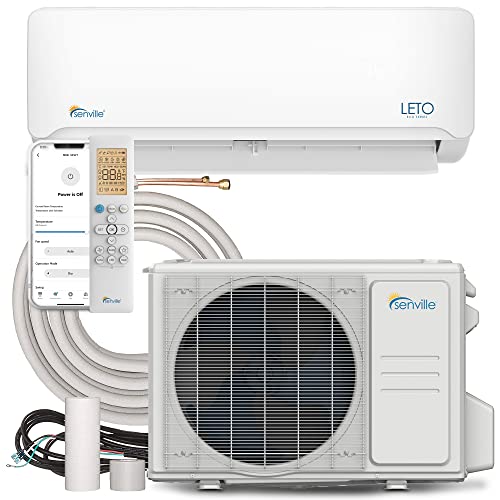
Senville LETO Series Mini Split
LETO Series keeps producing heat well below freezing, the spec that separates a true year round system from a summer only unit. A base pan heater on the heat pump models prevents ice from building up during defrost cycles. Based on specifications, it ranks among the stronger cold climate performers at this price.
Pros
- Continues heating at low outdoor temperatures
- Base pan heater prevents defrost ice buildup
- Indoor head stays quiet at low fan speeds
Cons
- Capacity still drops as temperatures fall, like any heat pump
- Requires professional installation

Daikin 19 Series Wall Mounted Mini Split
Daikin ranks among the largest HVAC manufacturers worldwide, and the 19 Series brings that engineering to the entry tier of its residential lineup. Contractors generally rate its compressors and controls above value brands. That reputation, plus a dealer network that can service the unit years later, comes at a higher price.
Pros
- Manufacturer reputation for long service life
- Serviceable through an established dealer network
- Consistent quality control across units
Cons
- Efficiency rating trails the top performers here
- Costs more than comparable value brands

Cooper and Hunter Sophia Series Mini Split
Cooper and Hunter builds this line around multi zone configurations, where one outdoor condenser feeds several indoor heads. That setup efficiently covers an addition, a garage, and a bedroom without three separate outdoor units. Single zone versions exist too, though multi zone is where the lineup makes the most sense.
Pros
- Strong multi zone lineup from one outdoor unit
- High efficiency ratings on single zone models
- Line set often bundled with the system
Cons
- Multi zone systems complicate future service calls
- Install complexity rises with each added head

Klimaire KSIV Series Mini Split
Klimaire covers smaller capacities well, which matters since oversizing remains the most common mistake in mini split buying. An undersized room paired with an oversized unit short cycles and never dehumidifies properly. Its compact indoor head also suits rooms with limited wall space.
Pros
- Smaller capacities suit single rooms properly
- Compact indoor head fits tight wall spaces
- Reasonable efficiency for its price tier
Cons
- Smaller support network than major brands
- WiFi module is often sold separately

Della 12,000 BTU Mini Split Heat Pump
Della sits at the entry end of the market and typically ships with mounting bracket, line set, and drain hose included. Efficiency and low temperature heating trail the units above it, so treat it as a cooling first system with modest shoulder season heat. Owners report installs go smoothly once a professional handles the evacuation.
Pros
- Complete kit reduces the number of separate purchases
- Lowest cost entry point into ductless systems here
- Controls stay straightforward for everyday use
Cons
- Heating output weakens noticeably in cold weather
- Efficiency rating sits well below the leaders
The lineup, side by side
| # | Model | Capacity | Best for | Score | Price |
|---|---|---|---|---|---|
| 1 | MRCOOL DIY 4th Gen 12,000 BTU Mini Split | 12,000 BTU | Best overall | 9.4 | Check price |
| 2 | Pioneer Diamante Series Mini Split | 9,000 to 36,000 BTU | Best value | 9.2 | Check price |
| 3 | Senville LETO Series Mini Split | Rated operation below freezing | Best for cold climates | 9.0 | Check price |
| 4 | Daikin 19 Series Wall Mounted Mini Split | Up to 19 SEER2 | Best build quality | 8.8 | Check price |
| 5 | Cooper and Hunter Sophia Series Mini Split | Single and multi zone options | Best for multi zone setups | 8.6 | Check price |
| 6 | Klimaire KSIV Series Mini Split | 9,000 BTU and up | Best for small rooms | 8.3 | Check price |
| 7 | Della 12,000 BTU Mini Split Heat Pump | 12,000 BTU | Best budget | 8.0 | Check price |
Questions worth asking
Can you install a mini split yourself?
Only realistically with a precharged DIY system using quick connect fittings. A conventional system needs the lines evacuated with a vacuum pump and charged with refrigerant, which requires certification in many regions. Even a DIY kit still involves a wall penetration, outdoor unit mounting, and a dedicated electrical circuit.
What size mini split do you need for a room?
Start around 20 BTU per square foot, then adjust for insulation quality, ceiling height, sun exposure, and whether the room is a kitchen. Resist rounding up. An oversized unit short cycles and fails to dehumidify, leaving the room cold and damp instead of comfortable.
Do mini splits work as heaters in winter?
Yes, heat pump models heat as well as cool, but output falls as outdoor temperature drops. Check the manufacturer’s heating capacity table at low ambient temperatures rather than the headline rating. Many owners in genuinely cold regions keep a backup heat source for the coldest weeks.
How much electrical work does a mini split need?
Most single zone systems need a dedicated circuit with a disconnect near the outdoor unit. Voltage requirements vary by capacity, with smaller units often running on a standard household circuit and larger ones needing higher voltage. A licensed electrician usually handles this part regardless of who installs the equipment.
Is one multi zone system better than several single zone units?
Multi zone saves outdoor space and extra wall penetrations, but it ties every room to one compressor, so a failure affects all zones at once. Separate single zone systems cost more upfront and clutter the exterior, yet each zone runs and services independently.
How noisy are ductless mini splits?
Indoor heads rank among the quietest options in home cooling, often around the level of soft conversation at low fan speed. The outdoor unit is louder, so consider what sits on the other side of that wall and whether a neighbor’s window faces it.
What maintenance do mini splits require?
Rinse or vacuum the indoor filters roughly monthly during heavy use, keep the outdoor coil clear of leaves and debris, and check that the condensate drain runs freely. A blocked drain line causing water to run down the wall is the most common service call owners report.
Does the warranty require professional installation?
Frequently yes, particularly for compressor coverage, and many brands also require registration within a set window after install. DIY oriented systems are the exception, since they are sold on the expectation of self install. Read the warranty terms before deciding who does the work.
How long does a ductless mini split last?
Well maintained mini splits commonly run for twelve to fifteen years. Compressor life depends heavily on correct sizing and consistent filter cleaning. Neglected units, especially oversized ones that short cycle, tend to fail years earlier.
Our pick
MRCOOL DIY 4th Gen remains the only pick here that makes a self install realistic, since its precharged line set skips the step that otherwise requires a contractor. With an installer already booked, Pioneer Diamante Series delivers comparable efficiency for less money. Where winter heating matters more than summer cooling, size the Senville LETO Series carefully and buy it.