6 Grout Removal Tools for Tile Regrouting Jobs
Dremel’s 568 Grout Removal Kit leads for controlled powered removal, since its guide attachment sets cutting depth automatically. The Dremel MM501 Multi-Max blade suits anyone with an oscillating tool already. QEP’s 10020Q Grout Saw handles a handful of cracked joints by hand, with no dust cloud and no risk of gouging tile.
Dremel’s 568 kit, the MM501 oscillating blade and the QEP manual saw cover most home regrouting jobs, from a full bathroom floor to three cracked joints. Powered tools cut faster, but chipped tile edges are the real risk, not slow progress.
We compared blade material, joint depth control, dust behavior and how each tool fits power equipment owners already have, plus what tilers report about blade wear on hardened epoxy grout.
What matters most
Which Grout Removal Tool Fits Your Job Size? A manual grout saw wins for a few cracked joints or a repair around a tub, since setup time for a power tool exceeds the job itself. Full floors or bathroom regrouts favor a rotary tool with a guide, or an oscillating multi tool with a carbide blade, and save hours. Bringing an aggressive floor blade to a three joint repair is the common mistake.
How Deep Should You Cut Before Regrouting? Grout joints sit above a bed of thinset, and in a shower, above a waterproofing membrane. Cutting too deep can breach that membrane, turning a cosmetic job into a leak. Remove roughly two thirds to three quarters of the joint depth, enough for new grout to key in. Set a guide or a mental stop rather than working by feel.
Is Grout Dust Actually Dangerous to Breathe? Cutting cement grout releases fine crystalline silica dust, a genuine respiratory hazard regulated on job sites. A properly rated respirator matters more than a paper mask here. Eye protection and a vacuum near the cut both help, and lightly wetting the area first cuts airborne dust considerably.
How Do You Avoid Chipping Tile at the Start of a Cut? Nearly every chipped tile happens in the first inch of a cut, when the blade has not yet seated in the joint and wanders onto the glaze. Start the tool away from the tile, lower it into the middle of the joint, then work outward toward intersections. Finishing corners by hand with a manual saw beats repairing a chipped tile afterward.
Our top picks
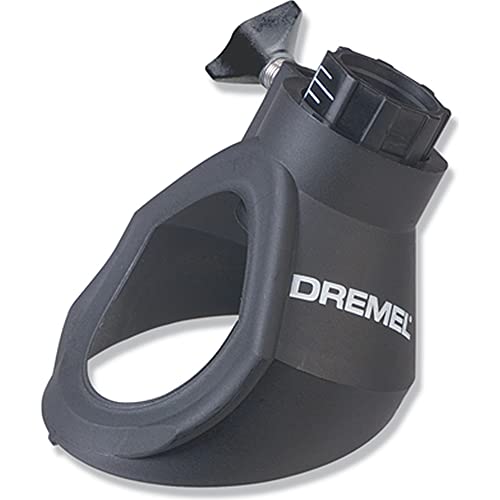
Dremel 568 Grout Removal Kit
Carbide bits pair with an attachment that rides on the tile surface and sets cutting depth automatically. That keeps the bit inside the joint instead of skating onto glazed tile. Fits any standard Dremel rotary tool. First time users report it as the most forgiving powered option available.
Pros
- Depth guide dramatically reduces tile chipping
- Carbide bits handle standard cement grout well
- Fits rotary tools many households already own
Cons
- Creates fine dust without a vacuum attachment
- Bits wear quickly on epoxy grout

Dremel MM501 Multi-Max Grout Removal Blade
A flat carbide grit blade fits Multi-Max and most universal oscillating tools. Oscillation is far less likely to run away from you than a spinning bit, since the blade only vibrates side to side. It reaches into corners where a rotary guide cannot sit flat. Owners already running a multi tool often pick this first.
Pros
- Oscillating action is easier to control than rotary
- Reaches corners and tight edges
- Universal fitment across common multi tools
Cons
- Slower than a rotary bit on long runs
- Grit edge dulls noticeably on hard grout

QEP 10020Q Grout Saw
No motor, no dust cloud, no risk of a slip gouging a tile face. A carbide grit blade scrapes along the joint under hand pressure alone. For a few cracked joints or a repair around a bathtub, this often beats setting up a power tool. Replacement blades stay cheap and widely stocked.
Pros
- Almost no risk of damaging tile faces
- Creates far less airborne dust than power tools
- Cheap with inexpensive replacement blades
Cons
- Slow and tiring over a whole floor
- Struggles on very hard or epoxy grout

Bosch OSL114GW Starlock Carbide Grout Blade
Brazed carbide teeth replace the bonded grit found on cheaper blades, lasting considerably longer against hard grout and thinset. Starlock’s interface locks the blade solidly, so power transfer stays high through the cut. Full room jobs benefit most, since blade changes would otherwise eat into the schedule.
Pros
- Carbide teeth outlast bonded grit blades
- Starlock fitting transfers power efficiently
- Handles thinset as well as grout
Cons
- Wider cut is too aggressive for narrow joints
- Costs more than grit style blades

DEWALT DWA4216 Carbide Grout Removal Blade
Built for volume work, this carbide edged oscillating blade removes grout fast across long runs of floor tile. It fits DEWALT and most universal oscillating tools using the supplied adapter. Aggressive cutting rewards a steady hand and a slow start at each joint.
Pros
- Removes grout quickly over large areas
- Durable carbide edge for a full room
- Universal fitment on most multi tools
Cons
- Aggressive cut risks nicking tile edges
- Not suited to very fine joints

Goldblatt Grout Saw
Goldblatt is a trade tile brand, and its grout saw uses a sturdier handle and thicker carbide blade than typical bargain versions. A second blade angle helps it reach into corners. Less flexing means faster removal than a basic saw. Repeated small repairs suit this tool well.
Pros
- Stiffer blade cuts faster than budget saws
- Second blade angle reaches awkward corners
- Trade brand build quality at a modest price
Cons
- Still manual work over any real area
- Blades are less widely stocked than QEP

M-D Building Products Grout Saw
A narrow carbide grit blade suits the thin joints found on modern rectified tile, where wider tools cannot enter without touching the tile face. This basic tool does one job precisely. Tidying joints before a regrout fits its purpose better than stripping a whole floor.
Pros
- Narrow blade fits joints other tools cannot
- Precise control for detail work
- Inexpensive and widely available
Cons
- Thin blade bends under heavy pressure
- Handle comfort is basic over long use
The lineup, side by side
| # | Model | Tool type | Best for | Score | Price |
|---|---|---|---|---|---|
| 1 | Dremel 568 Grout Removal Kit | Rotary tool attachment and bits | Best overall | 9.4 | Check price |
| 2 | Dremel MM501 Multi-Max Grout Removal Blade | Multi-Max and universal oscillating tools | Best for oscillating tools | 9.2 | Check price |
| 3 | QEP 10020Q Grout Saw | Manual grout saw | Best budget | 9.0 | Check price |
| 4 | Bosch OSL114GW Starlock Carbide Grout Blade | Starlock and compatible oscillating tools | Best blade life | 8.8 | Check price |
| 5 | DEWALT DWA4216 Carbide Grout Removal Blade | DEWALT and universal oscillating tools | Best for large jobs | 8.6 | Check price |
| 6 | Goldblatt Grout Saw | Manual grout saw | Best manual upgrade | 8.3 | Check price |
| 7 | M-D Building Products Grout Saw | Manual grout saw | Best for tight joints | 8.0 | Check price |
Common questions
How do I remove grout without chipping the tile?
Use a guide or depth stop wherever possible. Start each cut in the middle of the joint rather than at a tile edge, and let the blade do the work instead of pressing hard. Finish corners and intersections with a manual grout saw for extra control.
How much grout should I remove before regrouting?
Aim for roughly two thirds to three quarters of the joint depth, enough for new grout to key in properly. Reaching the thinset underneath is not necessary, and in wet areas cutting that deep risks damaging waterproofing behind the tile.
Is an oscillating tool or a rotary tool better for grout removal?
Oscillating tools stay more controllable and reach corners better. Rotary tools with a guide move faster on long straight runs. For most home jobs, an oscillating multi tool with a carbide blade is the safer starting point.
Can these tools remove epoxy grout?
Yes, though it takes far more effort. Epoxy grout is significantly tougher than cement grout and wears out bonded grit blades quickly. Brazed carbide blades such as the Bosch OSL114GW cope best, and some professionals soften epoxy with a heat gun first.
Do I need a dust mask for grout removal?
Yes, and a proper respirator rather than a paper mask. Cutting cement based grout releases respirable silica dust, a recognized health hazard. Eye protection matters too, alongside vacuuming as you go or lightly dampening the area.
How long does removing grout from a floor take?
A small bathroom floor takes a few hours with a power tool, considerably longer by hand. Manual saws move at roughly a joint or two per minute in soft grout. Blade changes and cleanup add more time than most people plan for.
Can I grout directly over old grout?
Not successfully. New grout needs depth to bond, and it will crack or wash out if applied as a thin skim over the old surface. Removing the top portion of the existing joint is what makes a regrout last.
What tool removes silicone caulk instead of grout?
Grout blades are the wrong tool for that job. A caulk removal knife or a plastic scraper with a silicone softener works better, since carbide blades gouge tile edges and tub surfaces where caulk sits.
The verdict
Dremel’s 568 Grout Removal Kit balances speed and safety best for a full regrout, since its guide keeps the bit exactly where it belongs. Owners of an oscillating tool should reach for the Dremel MM501 blade instead. Keep a QEP 10020Q grout saw on hand too, for corners and small repairs that power tools handle badly.