Choosing Safe Kettlebells for Kids and Teen Athletes
The Yes4All Vinyl Coated Kettlebell suits teen athletes starting structured strength work with light, accurate weights. Budget shoppers do well with the CAP Barbell Cast Iron Kettlebell. Younger kids who are just imitating a workout are better served by the WOD Toys Kettle Kid.
Age changes what a kettlebell needs to do. Teen athletes need accurate, light iron to learn real technique, while younger kids benefit more from a soft, oversized toy that mimics the movement without real risk.
We compared weight range, grip coating, handle size and build quality, then split results by rough age group instead of treating every young user the same. Owner feedback on grip comfort and coating durability under regular use factored into each pick.
How to choose
What to look for in a kettlebell for a young user Age, not just size, decides the right kettlebell. Weight increments, handle width, coating material and whether real resistance is even appropriate all shift depending on whether the user is 5 or 15. Checking these four factors together avoids buying equipment that gets outgrown in a month.
How age changes what kettlebell to buy Young children benefit from toy versions with no real weight, since the goal is imitation rather than resistance. Preteens and teens starting real training need light, accurate iron or vinyl-coated weights, typically 5 to 15 pounds. Treating every age group the same risks boredom for a capable teen or real injury risk for a small child.
Choosing a safe starting weight for teens Most coaches recommend a teen start light enough to complete 10 to 15 clean swing repetitions before adding weight. Five pounds suits most first attempts, moving up only once form stays consistent. A wide, easy-to-grip handle matters more at this stage than the exact weight increment.
When a toy kettlebell makes more sense than a real one Children under roughly eight generally lack the coordination for controlled swings with real resistance. Toy options like the WOD Toys Kettle Kid or the adjustable RAINBOW TOYFROG let a younger child mimic the movement safely. Real training weight becomes appropriate once a child can consistently follow coaching cues.
The best picks, ranked
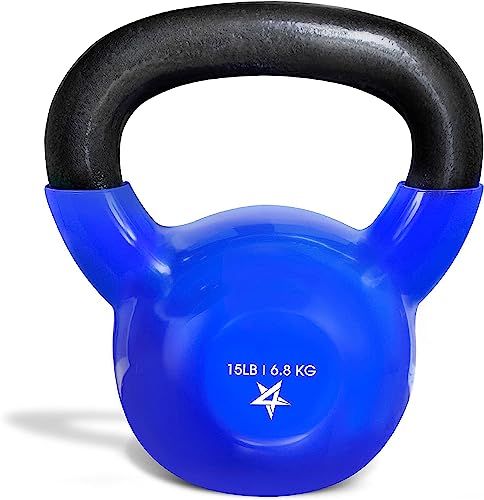
Yes4All Vinyl Coated Kettlebell
A vinyl coating over a cast iron core protects floors from chips while keeping a flat, stable base for rack positions. Weight options from 5 to 15 pounds let a teen build form before progressing to heavier iron. The wide handle accommodates the two-handed grip common in early instruction.
Pros
- Light starting weights suit real technique work
- Vinyl coating protects floors and equipment
- Wide handle fits a two-handed beginner grip
Cons
- Vinyl can nick with repeated hard drops
- Limited to lighter weights only

CAP Barbell Cast Iron Kettlebell
Solid cast iron in 5 and 10 pound options costs less than coated alternatives while still holding up to regular home gym use. A smooth handle finish avoids the rough texture some budget kettlebells ship with. Wider weight steps beyond 10 pounds let a household grow into heavier training later.
Pros
- Lower cost than most coated kettlebells
- Smooth handle avoids rough cast texture
- Iron build lasts through years of use
Cons
- No vinyl coating to protect floors
- Iron can chip painted flooring on impact

ProsourceFit Vinyl Coated Kettlebell
Color coded vinyl shells make it easy for a family to sort weights at a glance during group workouts. A cast iron core keeps the balance point consistent through swings and presses. Lower price per pound suits a household outfitting more than one teen at once.
Pros
- Color coding speeds up weight selection
- Affordable across a full weight range
- Consistent balance through common movements
Cons
- Vinyl smell noticeable when new
- Coating wears faster than premium brands

Day 1 Fitness Neoprene Coated Kettlebell
Neoprene coating softens impact if the kettlebell taps a leg or the floor mid-movement, useful for a teen still refining form. Color coded markings help a coach or parent confirm the right size at a glance. Wide handle spacing supports both single and double hand grips.
Pros
- Neoprene softens accidental leg contact
- Color coding aids quick weight checks
- Handle spacing fits growing hand sizes
Cons
- Neoprene traps more heat in the hand
- Slightly bulkier than thin vinyl coatings

WOD Toys Kettle Kid Kettlebell
A soft, oversized shell mimics a real kettlebell shape without meaningful weight, letting a young child copy a parent’s workout safely. No metal core removes the injury risk that comes with real iron around toddlers. Bright colors and a durable shell hold up to rough imaginative play.
Pros
- Safe for young children around real workouts
- No metal core to cause injury
- Durable shell survives active play
Cons
- Provides no actual resistance training
- Outgrown quickly as a child develops strength

RAINBOW TOYFROG Kids Kettlebell
A fillable design lets a parent add sand or water to gradually increase resistance as a child grows stronger. Stacking pieces double as a broader fitness toy set beyond kettlebell swings alone. Lightweight plastic construction keeps the empty shell safe even before any fill is added.
Pros
- Fill level adjusts as a child grows
- Stacking design adds general play value
- Empty shell stays lightweight and safe
Cons
- Fill consistency varies between sand and water
- Not accurate enough for structured training

Signature Fitness Vinyl Kettlebell
A wide weight range extends further than most youth-focused sets, letting a teen athlete progress without switching brands. Vinyl coating matches the flat base design common across home gym flooring. Grip texture stays consistent across the full range, useful once a teen moves past starter weights.
Pros
- Wide range supports long-term progression
- Consistent grip feel across weights
- Flat base suits standard home gym flooring
Cons
- Heavier options exceed most youth needs
- Less color coding than kid-focused brands
The lineup, side by side
| # | Model | Weight range | Best for | Score | Price |
|---|---|---|---|---|---|
| 1 | Yes4All Vinyl Coated Kettlebell | 5 to 15 pounds | Best overall | 9.2 | Check price |
| 2 | CAP Barbell Cast Iron Kettlebell | 5 to 10 pounds, lighter end | Best value | 9.0 | Check price |
| 3 | ProsourceFit Vinyl Coated Kettlebell | 5 to 20 pounds | Best budget | 8.7 | Check price |
| 4 | Day 1 Fitness Neoprene Coated Kettlebell | 5 to 25 pounds | Best for grip safety | 8.5 | Check price |
| 5 | WOD Toys Kettle Kid Kettlebell | Toy weight, no real load | Best for young children | 8.3 | Check price |
| 6 | RAINBOW TOYFROG Kids Kettlebell | Adjustable via sand or water fill | Best for adjustable play weight | 8.1 | Check price |
| 7 | Signature Fitness Vinyl Kettlebell | 5 to 30 pounds | Best for teen home gyms | 8.0 | Check price |
Frequently asked questions
What weight kettlebell should a teenager start with?
Most teens start around 5 pounds and progress once they can perform swings with consistent form for 10 to 15 repetitions.
Are kettlebells safe for children?
Real iron kettlebells suit teens with supervision and instruction. Younger children are safer with a toy version like the WOD Toys Kettle Kid that carries no real weight.
What is the difference between a kids kettlebell and an adult one?
Youth-focused kettlebells offer lighter weight increments, wider grip handles, and often softer coatings than standard adult iron kettlebells.
Do vinyl coated kettlebells work as well as cast iron?
Yes for light training weights. Vinyl adds floor protection without changing the exercise, though heavier weights are more commonly sold in bare cast iron.
At what age can a child start real kettlebell training?
Many coaches suggest waiting until around age 10 to 12, once coordination and the ability to follow coaching cues are established.
Can a toy kettlebell build any real strength?
Not meaningfully, since toy versions carry little to no weight. They mainly build familiarity with the movement pattern before real training begins.
How do I know if a kettlebell handle fits a smaller hand?
Look for a wider handle diameter and gap, which accommodates the two-handed grip common in early instruction for smaller hands.
What is a safe kettlebell exercise for a beginner teen?
A basic two-handed swing with a light weight, taught with proper hip hinge form, is the standard starting exercise for new lifters.
Kettlebell vs dumbbell for a teen just starting out?
A kettlebell teaches hip-hinge movements like swings that dumbbells do not train as naturally, making it a common first choice for youth strength programs.
Is a neoprene or vinyl coating better for a kid’s kettlebell?
Neoprene softens accidental contact with a leg or shin more than vinyl, which mainly protects flooring instead.
The bottom line
Teen athletes starting real training get the most from the Yes4All Vinyl Coated Kettlebell, thanks to its light weight range and floor-friendly coating. Budget-conscious households do well with the CAP Barbell Cast Iron set instead. Younger children are better served by a toy option like the WOD Toys Kettle Kid until real coordination develops.


