Reptile Substrate That Packs Small but Fills a Whole Tank
Zoo Med Eco Earth is the most portable substrate, expanding to eight times its dry size once soaked with water. Josh’s Frogs Coco Chip fits small travel enclosures best, and Zilla Ground English Walnut Shells gives dry-tolerant species the strongest value pick.
Zoo Med Eco Earth ships as a dense brick weighing under a pound dry, then expands to roughly eight quarts once soaked, enough to fill a 10 to 20 gallon tank. Its one tradeoff is a soak time of several hours before the substrate is ready to use.
Substrate needs shift by species and climate, so we compared packaging size, humidity retention, and dust levels across seven options to match portable choices to bioactive tanks, desert setups, and travel enclosures.
Before you buy
What makes a substrate portable Compressed bricks pack the most volume into the smallest, lightest form for transport. Loose bags of sand or bark weigh more per quart and take up more shelf or car space when moving reptiles between tanks.
Matching substrate to species needs Tropical species such as crested geckos need substrate that holds humidity, while desert species such as bearded dragons need dry, low-dust options. Mismatching substrate to species raises the risk of shedding problems or respiratory irritation.
Bioactive vs basic setups Bioactive tanks need soil that supports live plants and cleanup crews, the role Exo Terra Plantation Soil fills. Basic enclosures without plants can use simpler substrate, like ground walnut shells or bark, at a lower cost.
Travel and temporary enclosures Smaller compressed bricks such as Josh’s Frogs Coco Chip suit quarantine tanks, vet visits, or reptile shows, where hauling a full bag of substrate makes little sense. A single brick often covers a nano enclosure.
Our top picks

Zoo Med Eco Earth Compressed Coconut Fiber Brick
This compressed brick weighs under a pound dry and expands to fill a 10 to 20 gallon tank once hydrated. Tropical species like crested geckos and ball pythons benefit from the humidity it holds. Full hydration takes a few hours of soaking before use.
Pros
- Extremely compact for transport or storage
- Holds humidity for shedding health
- Low dust once fully hydrated
Cons
- Needs soaking time before use
- Not suited to desert species needing dry substrate

Exo Terra Plantation Soil
Exo Terra’s soil blend supports live plants and cleanup crews in a bioactive setup. It packs into a flat compressed brick for easy transport before expanding into a full substrate layer. Isopods and springtails break the soil down further over time.
Pros
- Supports live plant root growth
- Compact brick form for travel
- Feeds isopod and springtail cleanup crews
Cons
- Retains more moisture than desert species tolerate
- Needs time to break down and settle

Galapagos Jungle Earth
Jungle Earth holds humidity longer than plain coconut fiber, which suits dart frogs and other amphibians. It ships ready to use in a lightweight bag with no soaking required. That makes it easier to pack than heavier bark-based substrates.
Pros
- Holds humidity longer than coconut fiber alone
- Ready to use straight from the bag
- Lightweight compared to bark blends
Cons
- Costs more per quart than compressed bricks
- Not appropriate for dry-climate reptiles
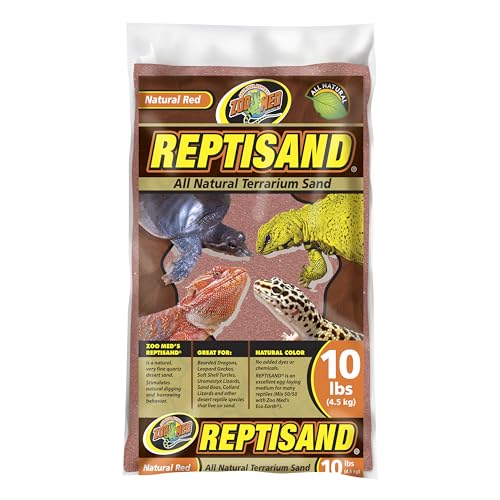
Zoo Med ReptiSand Natural Red
ReptiSand mimics natural desert terrain for bearded dragons and leopard geckos. A resealable 10 pound bag packs flatter than loose sand for easier transport. Fine, low-dust grains cut down on respiratory irritation.
Pros
- Low-dust formula reduces respiratory risk
- Resealable bag limits spills during transport
- Natural desert appearance
Cons
- Heavier per volume than fiber substrates
- Sand substrates carry impaction risk if ingested

Zilla Ground English Walnut Shells
Ground walnut shells offer an odor-absorbing, dry substrate for less than fiber bricks cost. Bags weigh in at 10 pounds and portion easily for smaller enclosures. Sharp edges mean smaller species should avoid ingesting loose pieces.
Pros
- Lower price than compressed fiber bricks
- Naturally absorbs odor
- Lightweight bag for easy transport
Cons
- Sharp edges pose risk if ingested by smaller species
- Not suited to humidity-dependent reptiles
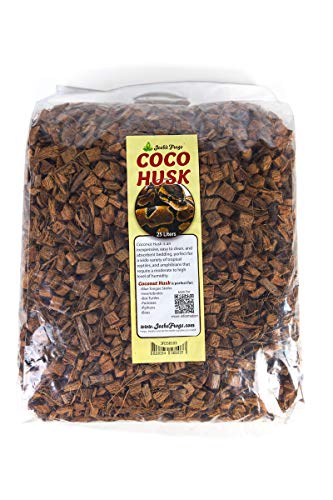
Josh’s Frogs Coco Chip Coconut Substrate
Coarser coconut chips ship in bricks under half a pound, sized for nano and travel enclosures. Bigger chip size resists compacting, which keeps burrowing species healthier over time. Multiple bricks are needed to fill anything larger than a small tank.
Pros
- Smallest brick size for travel kits
- Coarse texture resists compacting
- Good drainage for burrowing species
Cons
- Smaller yield needs multiple bricks for larger tanks
- Less moisture retention than fine coconut fiber

Zoo Med Repti Bark
Repti Bark creates a forest-floor look for tropical species like ball pythons. A 24 quart compressed bag replaces a bulkier loose box, easing transport. Moderate humidity retention suits naturalistic displays better than dry desert setups.
Pros
- Realistic forest-floor appearance
- Holds moderate humidity for tropical species
- Resists mold better than plain soil
Cons
- Bulkier bag than compressed coconut bricks
- Not ideal for burrowing or desert species
The lineup, side by side
| # | Model | Material | Best for | Score | Price |
|---|---|---|---|---|---|
| 1 | Zoo Med Eco Earth Compressed Coconut Fiber Brick | Coconut coir | Best overall | 9.4 | Check price |
| 2 | Exo Terra Plantation Soil | Compressed coconut husk and peat | Best for bioactive terrariums | 9.1 | Check price |
| 3 | Galapagos Jungle Earth | Tree fern fiber and coconut husk blend | Best for high-humidity species | 8.9 | Check price |
| 4 | Zoo Med ReptiSand Natural Red | Calcium carbonate sand | Best for desert species | 8.7 | Check price |
| 5 | Zilla Ground English Walnut Shells | Ground English walnut shells | Best value | 8.5 | Check price |
| 6 | Josh’s Frogs Coco Chip Coconut Substrate | Coarse coconut husk chips | Best for travel or small enclosures | 8.3 | Check price |
| 7 | Zoo Med Repti Bark | Fir bark | Best for naturalistic tropical setups | 8.0 | Check price |
Common questions
What is the most portable reptile substrate?
Compressed coconut fiber bricks like Zoo Med Eco Earth pack the smallest and only expand after adding water, which makes transport easy.
Can you use the same substrate for every reptile species?
No. Humidity-loving species need moisture-retaining substrate, while desert species need dry, low-dust options such as ReptiSand.
Is coconut fiber substrate safe for reptiles?
Yes, coconut fiber is widely used and considered safe, though very small species occasionally ingest loose particles while feeding.
How long does a compressed substrate brick last once expanded?
Most coconut fiber bricks last several weeks before needing a spot clean or full replacement, depending on tank size and species.
What substrate works best for a bioactive terrarium?
A soil blend like Exo Terra Plantation Soil supports live plants and cleanup crews better than plain coconut fiber alone.
Is sand substrate safe for bearded dragons?
Low-dust calcium sand such as ReptiSand suits adult bearded dragons well, though many keepers avoid loose sand for juveniles due to impaction risk.
What substrate works best for travel or quarantine tanks?
Smaller compressed bricks like Josh’s Frogs Coco Chip suit temporary setups, since they take up little space until hydrated.
Does bark substrate hold humidity as well as coconut fiber?
Bark holds moderate humidity, less than fine coconut fiber, which suits species that need drier conditions than dart frogs or crested geckos.
Eco Earth vs ReptiSand, which fits a desert enclosure better?
ReptiSand fits a desert enclosure better, since Eco Earth holds humidity that dry-climate species like bearded dragons do not need.
Our take
Zoo Med Eco Earth remains the strongest overall pick for keepers who need humidity retention and easy transport in one product. Desert species owners should choose Zoo Med ReptiSand instead, and anyone setting up a small travel or quarantine tank gets a better fit from Josh’s Frogs Coco Chip.