Top Red Light Therapy Panels Compared for Home Use
The Hooga HGPRO 300 emerges as our top pick for most users. It offers a balanced combination of power and affordability, making it ideal for beginners and those targeting specific body parts. Its main advantage is the high irradiance at a reasonable price. The main limitation is the lack of a stand, which you may need to purchase separately.
Red light therapy is gaining popularity for its potential to support skin health and muscle recovery. Many people are buying panels to use at home, but choosing the right one can be overwhelming. We compared the most sought-after models to simplify your decision.
Our comparison focuses on real product specifications and what owners report in their reviews. We considered factors like wavelength, power output, treatment area, and build quality. This guide will help you find a panel that matches your needs and budget.
The top picks, ranked

Hooga HGPRO 300
The Hooga HGPRO 300 is a 300-watt panel that delivers strong irradiance. It features both red and near-infrared wavelengths. Owners praise its solid construction and effective sessions.
Pros
- High irradiance for effective sessions
- Compact size fits on a tabletop
- Includes eye protection
Cons
- No stand included
- Fan noise can be noticeable
MitoPRO 1500
The MitoPRO 1500 is a large panel with 1500 watts of power. It covers the entire body in one session. Users report impressive results for muscle recovery and joint pain.
Pros
- Covers entire body at once
- Multiple wavelengths for various benefits
- High power for deep penetration
Cons
- Very expensive
- Requires significant floor space

Red Light Therapy Panel by Bestqool
This Bestqool panel is a budget-friendly option that still offers dual wavelengths. It is lightweight and easy to use. Owners say it is a good entry point for red light therapy.
Pros
- Affordable price
- Lightweight and portable
- Simple to operate
Cons
- Smaller treatment area
- Lower power output
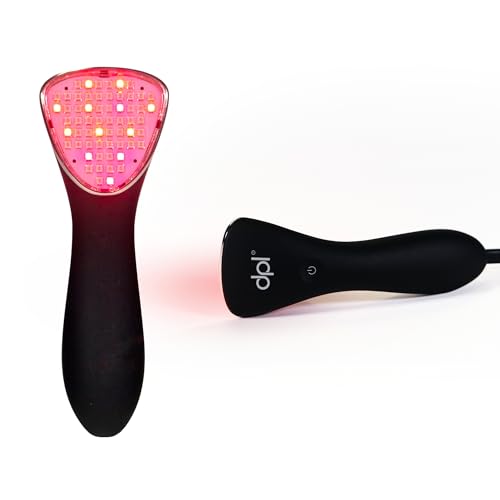
DPL II Red Light Therapy Panel by PlatinumLED
The PlatinumLED DPL II is a compact device designed for face and small joints. It uses high-quality LEDs with a focus on skin health. Users appreciate its ease of use and portability.
Pros
- Very compact and travel-friendly
- Great for facial treatments
- Simple one-button operation
Cons
- Not suitable for full body
- Low power for deeper tissue
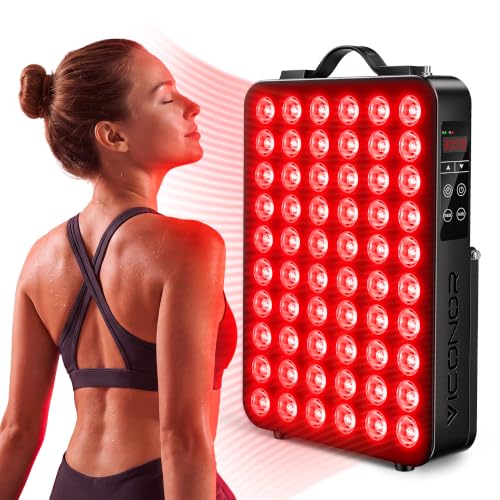
Red Light Therapy Panel 300W by GembaRed
The GembaRed 300W panel comes with a sturdy floor stand. It offers adjustable height and angle. Owners like the flexibility for treating different body parts.
Pros
- Includes a convenient stand
- Strong irradiance
- Good build quality
Cons
- Price is higher than similar panels without stand
- Stand takes up floor space

Red Light Therapy Panel with Stand by Rojo
Rojo’s panel is a wide device that can cover the front and back of the body when positioned properly. It offers a high power output and a variety of wavelengths. Users report fast sessions.
Pros
- Large treatment area
- Multiple wavelengths
- Long warranty
Cons
- Heavy and hard to mount
- Premium price
Vielight 810 Duo
The Vielight 810 Duo is a unique device that includes an intranasal applicator and a transcranial pad. It delivers near-infrared light to the brain. Users report improved mental clarity and focus.
Pros
- Specifically designed for brain applications
- Includes two applicators
- Lightweight and wearable
Cons
- Very expensive
- Not for general body use
How they compare
| # | Model | Wavelengths | Best for | Score | Price |
|---|---|---|---|---|---|
| 1 | Hooga HGPRO 300 | 660nm and 850nm | Most people seeking a balance of power and price | 9.4 | Check price |
| 2 | MitoPRO 1500 | 630nm, 660nm, 810nm, 830nm, 850nm | Full body coverage and professional-grade power | 9.2 | Check price |
| 3 | Red Light Therapy Panel by Bestqool | 660nm and 850nm | Budget-conscious users who want a reliable starter panel | 8.9 | Check price |
| 4 | DPL II Red Light Therapy Panel by PlatinumLED | 630nm and 880nm | Targeted treatment of specific areas | 8.8 | Check price |
| 5 | Red Light Therapy Panel 300W by GembaRed | 660nm and 850nm | Users who need a versatile panel with adjustable stand | 9.0 | Check price |
| 6 | Red Light Therapy Panel with Stand by Rojo | 630nm, 660nm, 810nm, 830nm, 850nm | Those who want a large panel for multiple users | 9.1 | Check price |
| 7 | Vielight 810 Duo | 810nm | Neurological and cognitive support with targeted applicators | 8.5 | Check price |
What matters most
Questions worth asking
What is the optimal wavelength for red light therapy?
The most common and effective wavelengths are 660nm for red light and 850nm for near-infrared. Red light works on the skin’s surface, while near-infrared penetrates deeper. Many panels include both to provide a full range of benefits.
How long should I use a red light therapy panel each day?
Typical sessions last between 10 and 20 minutes, depending on the panel’s power and your distance from it. Higher-powered panels require less time. Always follow the manufacturer’s recommendations and start with shorter sessions to see how your skin reacts.
Can red light therapy panels help with muscle recovery?
Many users report reduced muscle soreness and faster recovery after exercise. Near-infrared light penetrates deep into muscles, potentially enhancing cellular repair. However, individual results may vary, and more research is needed to confirm all benefits.
Is red light therapy safe for the face and eyes?
Red light therapy is generally safe for the face, but you should always wear protective goggles. The bright light can be uncomfortable and potentially harmful to the eyes. Most panels come with safety glasses that block specific wavelengths.
How often should I use red light therapy?
For most conditions, using the panel 3 to 5 times per week is effective. Some users may see benefits with daily use, but it is important to listen to your body. Consistency matters more than frequency, so choose a schedule you can maintain.
What is the difference between red light and near-infrared light?
Red light (around 660nm) is absorbed by the skin and is best for surface-level issues like wrinkles and wound healing. Near-infrared light (around 850nm) penetrates deeper, making it suitable for muscle, joint, and nerve pain. Panels that offer both are versatile.
Can I use red light therapy if I have a medical condition?
If you have a medical condition, especially one that makes you sensitive to light, consult your healthcare provider first. Red light therapy is considered low-risk, but it can interact with photosensitizing medications. Always prioritize professional advice.
How much space do I need for a red light therapy panel?
Compact panels can be placed on a table or desk and need about 2 square feet. Larger panels, especially those with stands, require more floor area. Measure your available space before purchasing to ensure a good fit.
The verdict
For most people, the Hooga HGPRO 300 is the best choice because it delivers high power without breaking the bank. If you want full body coverage and have the budget, the MitoPRO 1500 is the superior option. For those new to red light therapy, the Bestqool panel is a solid entry point. Choose the one that aligns with your specific goals and space.