Starter Science Kits That Spark Young Curiosity
The National Geographic Mega Science Lab is our top pick for most families. It offers 45 diverse experiments, clear instructions, and quality materials. Its main limitation is that some experiments require common household items not included.
Science kits open a world of discovery for children. They turn abstract concepts into tangible fun. With so many options, choosing the right starter kit can feel overwhelming.
We compared top-selling kits to find the best for young learners. Our focus is on safety, engagement, and educational value. Here are the kits that stand out.
How to choose
The top picks, ranked
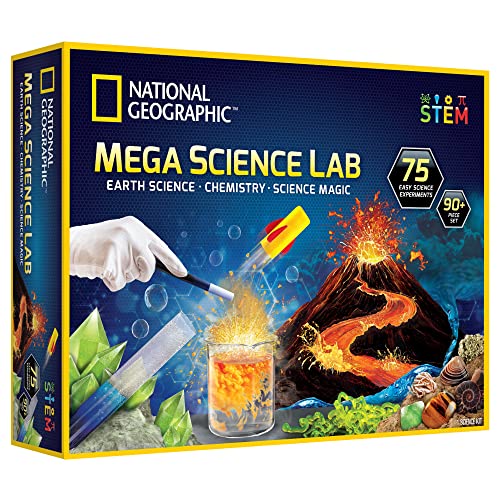
National Geographic Mega Science Lab
This kit includes 45 experiments covering earth science, chemistry, and physics. It comes with a detailed learning guide and safety goggles. Users appreciate the variety and the brand’s reputation for quality.
Pros
- Huge variety of experiments
- High-quality components
- Clear, illustrated guide
Cons
- Some supplies need replacing
- Adult help needed for some steps

Doctor Jupiter My First Science Kit
Designed for ages 4 to 8, this kit features 100+ projects with safe, simple materials. It focuses on basic concepts like color mixing and density. Parents like the easy-to-follow cards and engaging experiments.
Pros
- Age-appropriate for young kids
- Large number of experiments
- Cards are easy for kids to follow
Cons
- Some experiments feel repetitive
- Quality of plastic items is basic

Thames & Kosmos Chem C1000
This classic chemistry set introduces fundamental concepts through 125 experiments. It includes a 80-page manual that explains the science clearly. It is more advanced, suitable for ages 10 and up.
Pros
- In-depth scientific explanations
- Builds strong foundation in chemistry
- High-quality materials
Cons
- Requires adult supervision
- Not for very young children

Snap Circuits Jr. SC-100 Electronics Discovery Kit
Instead of chemicals, this kit teaches basic electronics by snapping together components. It includes 30 projects that build working circuits. Kids learn about switches, lamps, and motors. It is ideal for future engineers.
Pros
- Hands-on introduction to electronics
- No soldering or tools needed
- Reusable components
Cons
- Projects are not very challenging for older kids
- Requires batteries
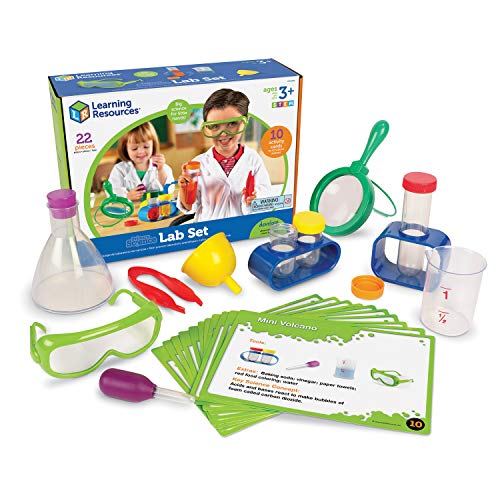
Learning Resources Primary Science Lab Set
Made for ages 2 to 6, this set includes large, durable tools sized for small hands. It comes with 10 activity cards that guide parents through simple experiments. It encourages sensory play and fine motor skills.
Pros
- Safe for very young children
- Durable and easy to clean
- Promotes early STEM skills
Cons
- Limited number of experiments
- Adult must lead activities

4M KidzLabs Volcano Making Kit
This focused kit lets kids build and erupt their own volcano. It is a classic hands-on project that teaches about chemical reactions. The plaster and paint allow for customization. It is a compact, affordable option.
Pros
- Very affordable
- Hands-on and visually exciting
- Teaches a clear scientific principle
Cons
- Only one experiment
- Messy preparation required

Educational Insights GeoSafari Jr. Talking Microscope
This talking microscope introduces kids to the microscopic world. It features 20 slides with animal and plant images, and it speaks fun facts in multiple languages. It is perfect for young nature lovers.
Pros
- Encourages independent exploration
- Audio facts are engaging
- Durable and kid-friendly
Cons
- Not a real compound microscope
- Slides are fixed
Compared at a glance
| # | Model | Experiments | Best for | Score | Price |
|---|---|---|---|---|---|
| 1 | National Geographic Mega Science Lab | 45+ | Best Overall | 9.4 | Check price |
| 2 | Doctor Jupiter My First Science Kit | 100+ | Best for Preschoolers | 9.1 | Check price |
| 3 | Thames & Kosmos Chem C1000 | 125 | Best Educational Depth | 9.0 | Check price |
| 4 | Snap Circuits Jr. SC-100 Electronics Discovery Kit | 30 | Best for Electronics | 9.2 | Check price |
| 5 | Learning Resources Primary Science Lab Set | 10 | Best for Toddlers | 8.8 | Check price |
| 6 | 4M KidzLabs Volcano Making Kit | 1 main project | Best Budget Pick | 8.5 | Check price |
| 7 | Educational Insights GeoSafari Jr. Talking Microscope | 5x (viewer) | Best for Nature Exploration | 8.7 | Check price |
Common questions
What is the best age to start using science kits?
There are kits designed for toddlers as young as 2. These focus on sensory exploration and basic tools. For more structured experiments, ages 5 to 6 is a good time to start. Always check the age recommendation on the box, as some kits contain small parts or chemicals not suitable for younger children.
Are science kits safe for children?
When chosen according to age, science kits are generally safe. Look for non-toxic materials and clear safety warnings. Adult supervision is crucial, especially for chemistry sets or electronics. Always read instructions before starting. Some kits require common household items, which can be safe if handled properly.
What is the difference between a starter kit and a more advanced kit?
Starter kits have simpler experiments with fewer steps and use safe, everyday materials. They often include large pieces and clear picture instructions. Advanced kits assume prior knowledge and may involve chemicals, glassware, or electrical components. They offer more depth but require more supervision and skill.
How long does a typical science kit last?
It depends on the number of experiments. Some kits have 100+ projects that can last months or even years. Others, like a volcano kit, are single-use. Reusable kits with components like Snap Circuits can be used repeatedly. Consider your child’s attention span and how often they want to do science.
Can science kits be used for homeschool curriculum?
Absolutely. Many parents use science kits as a core part of their homeschool science. They provide structured experiments and explanations. You can align them with topics like biology, chemistry, or physics. Some kits come with lesson plans or guides that meet educational standards.
What if my child loses interest in the kit?
It is common for kids to lose interest if experiments are too repetitive or too hard. Try to pick a kit that matches their interests, like dinosaurs or space. Set a schedule for science time, but be flexible. You can also supplement with online videos or simple home experiments to reignite curiosity.
Do science kits require additional purchases?
Many kits require common household items like vinegar, baking soda, or water. Electronics kits often need batteries. Some chemistry sets may require items like rubbing alcohol or food coloring. Check the product description to see what is not included so you are prepared.
Which science kit is best for a child who loves nature?
The Educational Insights GeoSafari Jr. Talking Microscope is excellent for young nature lovers. It lets them explore magnified images of plants and animals. For older kids, the 4M Crystal Growing or bug-catching kits might be more engaging. Look for kits that include outdoor activities or nature specimens.
The verdict
For most families, the National Geographic Mega Science Lab is the best starter kit because it offers a broad range of experiments and high-quality components. If your child is younger, consider the Doctor Jupiter My First Science Kit. For a focus on electronics, the Snap Circuits Jr. is unbeatable. Choose the National Geographic for the best all-around experience.


