Top Wide Angle Lenses for Every Camera System
For most photographers, the Canon RF 15-35mm f/2.8L IS USM stands out as the best all-around wide angle zoom for full-frame mirrorless, offering superb sharpness and image stabilization. Its main limitation is the high price. For a budget option, the Rokinon 14mm f/2.8 is a solid manual focus prime that delivers excellent value.
Wide angle lenses open up creative possibilities, from sweeping landscapes to tight interior shots. With many options on the market, selecting the right one can be overwhelming.
We compared popular models across different mounts and price points. Our focus is on real-world performance, not just specifications.
Before you buy
What we recommend

Canon RF 15-35mm f/2.8L IS USM
This professional-grade zoom covers a versatile range from ultra-wide to wide. It features a constant f/2.8 aperture and built-in image stabilization, which is rare for wide zooms. Owners report tack-sharp images even at the edges. The weather-sealed build is robust for outdoor work.
Pros
- Excellent sharpness across the frame
- Effective image stabilization
- Fast and quiet autofocus
Cons
- Very expensive
- Large and heavy for a wide zoom
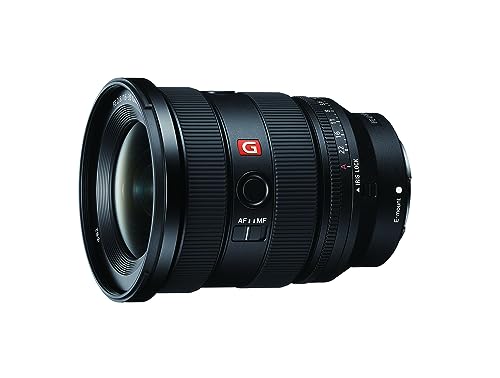
Sony FE 16-35mm f/2.8 GM II
Sony’s updated G Master zoom is lighter and sharper than its predecessor. It covers the essential 16-35mm range with a fast aperture. The autofocus is lightning fast, and the lens is well balanced on Sony bodies. It is a favorite among event and landscape photographers.
Pros
- Outstanding resolution and contrast
- Lightweight for its class
- Dust and moisture resistant
Cons
- Premium price tag
- No built-in stabilization

Nikon NIKKOR Z 14-24mm f/2.8 S
Nikon’s S-line lens delivers exceptional edge-to-edge sharpness. The 14-24mm range is ideal for dramatic perspectives. It features a flat front element, so filters require a special adapter. Despite that, owners praise its build and optical quality.
Pros
- Superb sharpness even wide open
- Lightweight for an f/2.8 zoom
- Fast and silent autofocus
Cons
- Cannot use standard screw-in filters
- Expensive

Sigma 14-24mm f/2.8 DG DN Art
Sigma’s Art lens offers impressive optical performance for a lower price than first-party options. It is built like a tank and delivers sharp images. The lens is designed for mirrorless systems, making it smaller than its DSLR counterpart.
Pros
- Excellent optical quality
- More affordable than OEM lenses
- Durable construction
Cons
- Bulky and heavy
- Limited to mirrorless mounts

Rokinon 14mm f/2.8 IF UMC
This manual focus prime offers a wide 14mm view at a very low price. It is popular among astrophotographers for its fast aperture and low coma. The build is simple but solid. Owners report good sharpness when stopped down a bit.
Pros
- Very affordable
- Wide and fast aperture
- Good for astrophotography
Cons
- Manual focus only
- Image quality not on par with premium lenses

Laowa 15mm f/2 Zero-D
Laowa’s lens is known for its near-zero distortion, making it excellent for architectural work. It features a fast f/2 aperture and manual focus. The lens is available for many mounts. Users appreciate its compact size and sharpness.
Pros
- Almost no barrel distortion
- Bright f/2 aperture
- Compact and lightweight
Cons
- Manual focus only
- Not weather sealed
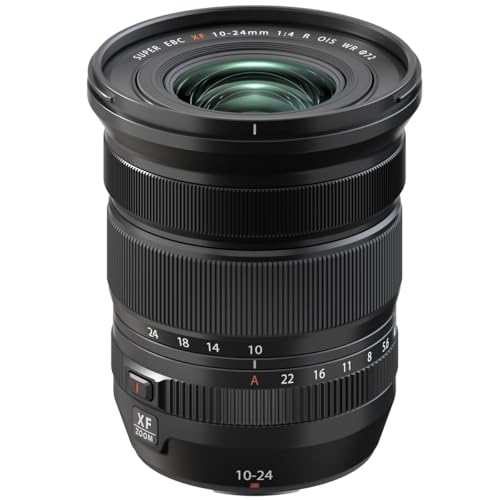
Fujifilm XF 10-24mm f/4 R OIS
This lens provides a 15-36mm equivalent range on Fujifilm’s APS-C sensors. It includes optical image stabilization and a constant f/4 aperture. The autofocus is quick and quiet. Ownners report good sharpness and color rendition.
Pros
- Effective stabilization
- Versatile zoom range
- Lightweight and well-built
Cons
- Variable aperture (f/4 only)
- Not for full-frame cameras
Side by side
| # | Model | Mount | Best for | Score | Price |
|---|---|---|---|---|---|
| 1 | Canon RF 15-35mm f/2.8L IS USM | Canon RF | Canon EOS R series full-frame mirrorless cameras | 9.4 | Check price |
| 2 | Sony FE 16-35mm f/2.8 GM II | Sony E (Full-Frame) | Sony full-frame E-mount users seeking top quality | 9.3 | Check price |
| 3 | Nikon NIKKOR Z 14-24mm f/2.8 S | Nikon Z (Full-Frame) | Nikon Z series full-frame cameras | 9.2 | Check price |
| 4 | Sigma 14-24mm f/2.8 DG DN Art | Sony E, Leica L | Sony E and Leica L mount users who want a budget alternative | 9.0 | Check price |
| 5 | Rokinon 14mm f/2.8 IF UMC | Canon EF, Nikon F, Sony A (adapters available) | Budget-conscious photographers on Canon EF or Nikon F mounts | 8.5 | Check price |
| 6 | Laowa 15mm f/2 Zero-D | Canon EF, Nikon F, Sony E, and more | Architecture and interior shooters needing zero distortion | 8.6 | Check price |
| 7 | Fujifilm XF 10-24mm f/4 R OIS | Fujifilm X (APS-C) | Fujifilm X-series APS-C cameras | 8.8 | Check price |
Questions worth asking
What is a wide angle lens good for?
Wide angle lenses are ideal for landscapes, architecture, real estate, and interior photography. They help capture more of a scene, making them great for tight spaces and dramatic perspectives.
What is the difference between wide angle and ultra-wide angle?
Ultra-wide lenses typically have focal lengths under 20mm on full-frame. They produce a more pronounced distortion and wider field of view. Wide angle lenses range from about 20mm to 35mm.
Do I need image stabilization in a wide angle lens?
Image stabilization is helpful for handheld shooting in low light, but it is not essential since wide angles are less prone to camera shake. Many camera bodies have IBIS, which can work with unstabilized lenses.
Can I use a full-frame wide angle lens on an APS-C camera?
Yes, but the field of view will be narrower due to the crop factor. For example, a 16mm lens on APS-C gives a 24mm equivalent view. Some lenses are designed specifically for APS-C to be smaller and cheaper.
Are manual focus lenses hard to use?
Modern cameras provide focus peaking and magnification aids that make manual focus easier. For static subjects like landscapes, manual focus is fine. For moving subjects, autofocus is better.
What is the best wide angle lens for astrophotography?
Look for a fast aperture (f/2.8 or wider) and low coma distortion. The Rokinon 14mm f/2.8 is a budget favorite, while the Laowa 15mm f/2 Zero-D is also popular for its sharpness.
Why are some wide angle lenses so expensive?
High-quality optics, weather sealing, fast apertures, and advanced autofocus contribute to the cost. Professional lenses often use specialized glass elements to correct distortion and chromatic aberration.
Do wide angle lenses distort faces?
Yes, if you get too close, wide angles can exaggerate facial features. For portraits, it’s better to use a longer focal length, like 35mm or 50mm, to avoid distortion.
Final word
If you own a Canon RF system, invest in the Canon RF 15-35mm f/2.8L for its combination of range and stabilization. For Sony shooters, the Sony FE 16-35mm f/2.8 GM II is the top choice. Budget users should get the Sigma 14-24mm for a premium feel without the premium price.