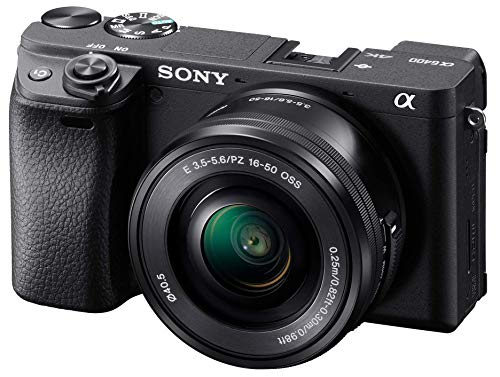
Sony A6700 Review: Still the APS-C to Beat?
The Sony A6700 is the most complete APS-C camera in Sony’s lineup, pairing a 26MP sensor with the same AI-driven subject recognition and in-body stabilisation found in far pricier bodies. It is an excellent hybrid stills and video camera let down mainly by a single card slot and Sony’s smaller APS-C lens range. If you want more resolution and dials, look at the Fujifilm X-T5; if you want a bigger grip and dual slots, consider the Canon EOS R7.
The Sony A6700 is Sony’s best APS-C camera to date, bringing its AI subject-recognition autofocus, 5-axis in-body stabilisation and strong 4K video into a compact body, which makes it a top hybrid pick for creators and enthusiasts.
Sony’s A6000 series has long been the default recommendation for compact interchangeable-lens cameras, and the A6700 modernises it with the processing engine from Sony’s full-frame line. The competition has caught up, though, so the question is whether the A6700 still leads or whether rivals from Fujifilm, Canon and Nikon now make more sense for your shooting.
The top picks, ranked
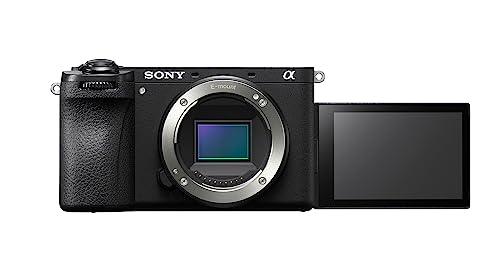
Sony A6700
The Sony A6700 is aimed at enthusiasts and hybrid creators who want flagship autofocus and stabilisation in a compact APS-C body. Its standout strengths are the AI-based subject recognition that locks onto people, animals and vehicles, 5-axis in-body stabilisation and detailed 4K video up to 120p, all in a body you can travel with easily. The real weaknesses are a single UHS-II card slot, a viewfinder that is small by modern standards and a native APS-C lens range that still trails Fujifilm’s. For most people wanting one camera for stills and video, though, it remains the APS-C to beat.
Pros
- Class-leading AI autofocus and tracking
- In-body stabilisation and strong 4K video
- Compact, travel-friendly body
Cons
- Only one card slot
- Small viewfinder and limited native lens range
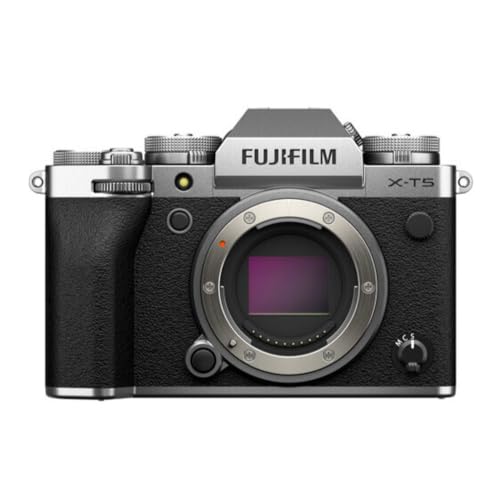
Fujifilm X-T5
The X-T5 is the A6700’s closest photo-first rival, offering a higher 40MP sensor, dedicated dials and a large viewfinder that many stills shooters prefer. Compared with the Sony it trades some video prowess for resolution and tactile handling, and it pairs with Fujifilm’s deeper native APS-C lens lineup. Owners who prioritise stills often favour it, while heavy video users lean back toward the A6700.
Pros
- 40MP sensor with lots of detail
- Dedicated dials and larger viewfinder
- Dual card slots
Cons
- Autofocus trails Sony for fast action
- Higher resolution needs sharper lenses

Canon EOS R7
The EOS R7 pairs a 32MP APS-C sensor with fast burst shooting and a deep grip that suits telephoto lenses, making it a natural cross-shop for wildlife and sports shooters. Against the A6700 it offers more resolution, dual card slots and better ergonomics for big lenses, but Canon’s native APS-C lens range is still thin. Its rolling shutter in electronic modes is more noticeable than Sony’s.
Pros
- Fast burst shooting for action
- Deep grip suits telephoto lenses
- Dual card slots and high resolution
Cons
- Limited native APS-C lens choice
- Noticeable rolling shutter in silent mode

Sony A6600
The A6600 is the A6700’s predecessor and still sells at a lower price, offering in-body stabilisation and Sony’s larger battery in a similar body. Compared with the A6700 it uses an older 24MP sensor and the previous autofocus generation, so subject recognition is less capable and video tops out lower. It is a sensible choice for buyers who want the ecosystem and stabilisation for less.
Pros
- In-body stabilisation at a lower price
- Large battery for long days
- Shares Sony’s E-mount lenses
Cons
- Older sensor and autofocus
- No 10-bit or high-frame-rate 4K

Fujifilm X-S20
The X-S20 offers much of the A6700’s hybrid appeal in a simpler, grip-forward body with a deep battery and a dedicated vlogging mode. It uses a 26MP sensor and shares Fujifilm’s colour science and lens range, making it a friendly cross-shop for creators. Against the Sony it gives up some autofocus polish and the higher-resolution options of the X-T5, but its long battery life stands out.
Pros
- Excellent battery life
- Beginner-friendly with strong video
- Access to Fujifilm lens lineup
Cons
- Autofocus not quite at Sony’s level
- Single card slot

Nikon Z50 II
The Z50 II updates Nikon’s compact APS-C camera with a faster processor, better subject-detection autofocus and a fully articulating screen. It is a comfortable, well-priced body that cross-shops with the A6700 for buyers who value grip and simplicity. Compared with the Sony it lacks in-body stabilisation and has a smaller native lens range, but its handling and value are strong.
Pros
- Comfortable grip and controls
- Improved subject-detection autofocus
- Strong value
Cons
- No in-body stabilisation
- Smaller native lens range

Sony ZV-E10 II
The ZV-E10 II shares the A6700’s 26MP sensor but drops the viewfinder and mechanical shutter to focus on video and vlogging. It cross-shops with the A6700 for creators who never use a viewfinder and want to save money and weight. The trade-off is no in-body stabilisation and more rolling shutter, so run-and-gun video needs a gimbal or the electronic stabilisation mode.
Pros
- Same sensor as the A6700 for less
- Excellent autofocus for talking-head video
- Light and creator-focused
Cons
- No viewfinder or in-body stabilisation
- Rolling shutter with fast motion
How they compare
| # | Model | Sensor | Best for | Score | Price |
|---|---|---|---|---|---|
| 1 | Sony A6700 | APS-C 26MP Exmor R CMOS | The camera reviewed | 9.3 | Check price |
| 2 | Fujifilm X-T5 | APS-C 40MP X-Trans CMOS | Best for resolution and dials | 9.2 | Check price |
| 3 | Canon EOS R7 | APS-C 32MP CMOS | Best for wildlife and sports | 9.0 | Check price |
| 4 | Sony A6600 | APS-C 24MP Exmor CMOS | Best value in the range | 8.6 | Check price |
| 5 | Fujifilm X-S20 | APS-C 26MP X-Trans CMOS | Best for hybrid creators on a budget | 8.9 | Check price |
| 6 | Nikon Z50 II | APS-C 21MP CMOS | Best handling for the money | 8.7 | Check price |
| 7 | Sony ZV-E10 II | APS-C 26MP Exmor R CMOS | Best for pure video creators | 8.8 | Check price |
How to pick the right one
Who should buy the Sony A6700 The A6700 suits enthusiasts and hybrid creators who want one compact camera that shoots both stills and video well. It is a strong fit for travellers, event and family photographers, and YouTubers who value reliable autofocus and in-body stabilisation. It is less ideal if you shoot high-resolution landscapes, where the Fujifilm X-T5’s 40MP sensor pulls ahead, or if you need dual card slots for professional backup.
Key features that matter Three features define the A6700. First is the AI processing unit that recognises humans, animals, birds, insects and vehicles, keeping focus locked even as subjects move. Second is 5-axis in-body stabilisation, which steadies handheld stills and video. Third is 10-bit 4K video up to 120p, though the highest frame rates apply a crop. Together they make it punch above its size for both photo and video work.
How it compares to rivals Against the Fujifilm X-T5, the A6700 trades resolution and tactile dials for stronger autofocus and video. Against the Canon EOS R7 it gives up a deeper grip and dual slots but offers cleaner electronic-shutter performance. The Sony ZV-E10 II shares its sensor for less if you never need a viewfinder, while the older A6600 remains a value option with a bigger battery but older autofocus.
Verdict on value and lenses The A6700’s biggest ongoing consideration is lenses. Sony’s native APS-C range is improving but still trails Fujifilm’s, and many owners pair it with full-frame E-mount glass, which adds size and cost. If you are already invested in E-mount, the A6700 is an easy upgrade. If you are starting fresh and prize a purpose-built APS-C system, weigh Fujifilm before committing.
Common questions
Is the Sony A6700 good for video?
Yes. It records 10-bit 4K up to 60p oversampled and up to 120p with a crop, backed by in-body stabilisation and Sony’s excellent autofocus tracking. It is one of the best compact APS-C cameras for hybrid shooters, though heavy video users should note the single card slot and rolling shutter at the highest frame rates.
Does the Sony A6700 have in-body stabilisation?
Yes, the A6700 includes 5-axis in-body image stabilisation, which the older A6400 lacks. It helps steady handheld stills at slower shutter speeds and smooths video, and it works alongside optical stabilisation in supported lenses for extra effect.
How does the A6700 compare to the Fujifilm X-T5?
The X-T5 has a higher 40MP sensor, dedicated dials, a larger viewfinder and dual card slots, making it a stronger stills camera. The A6700 counters with better subject-tracking autofocus and more flexible high-frame-rate video. Photographers often prefer the Fujifilm, while hybrid and video-leaning users lean toward the Sony.
Is the A6700 a big upgrade over the A6600?
Yes. The A6700 adds a newer 26MP sensor, the AI-based autofocus processor, 10-bit and high-frame-rate 4K, and a fully articulating screen. The A6600 keeps a larger battery and lower price, but its older sensor and autofocus put it a clear generation behind.
Does the Sony A6700 have a viewfinder?
Yes, it has a built-in electronic viewfinder, though it is small compared with those on the Fujifilm X-T5 and full-frame cameras. If eye-level composition matters to you, this is one area where some rivals feel more comfortable.
How many card slots does the A6700 have?
The A6700 has a single UHS-II SD card slot. That is fine for enthusiasts and creators, but professionals who need instant in-camera backup should consider cameras with dual slots such as the Fujifilm X-T5 or Canon EOS R7.
What lenses work with the Sony A6700?
It uses the Sony E-mount, so it accepts both APS-C E-mount lenses and full-frame E-mount lenses. The native APS-C selection is smaller than Fujifilm’s, so many owners mix in full-frame lenses, which adds size and cost but expands options considerably.
Is the Sony A6700 worth buying?
For most enthusiasts and hybrid creators, yes. It offers flagship autofocus and stabilisation in a compact body that handles stills and video with ease. Consider the Fujifilm X-T5 if you want more resolution and dials, or the Sony ZV-E10 II if you shoot mostly video and never use a viewfinder.
The bottom line
The Sony A6700 remains the APS-C camera to beat for hybrid shooters, combining AI autofocus, in-body stabilisation and strong 4K video in a compact body, with only its single card slot and small viewfinder holding it back. If you want more resolution and dials, the Fujifilm X-T5 is the better stills camera, while the Sony ZV-E10 II delivers the same sensor for less to video-first creators.