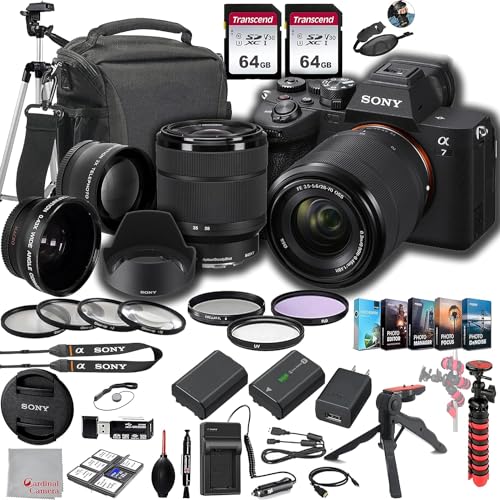
Cameras Built for Fast Moving Wildlife Shots
Canon EOS R7 leads for animal photography, combining reliable animal detection autofocus with extra crop-sensor telephoto reach. Sony Alpha a6700 delivers the smartest value in this lineup, with AI-driven subject tracking. Canon EOS R10 fits anyone starting out on a tight budget who still wants real eye tracking.
Canon EOS R7 is the camera to reach for when photographing pets, zoo animals or whatever wanders into the backyard. Sony Alpha a6700 trails closely on value. Canon EOS R10 covers newcomers who want real autofocus without overspending.
Animal subjects rarely hold still and often sit far enough away that reach matters as much as focus. Autofocus that recognizes a dog, cat or bird and locks onto its eye separates these cameras more than sensor resolution does. We compared published autofocus feature sets, burst rates, effective reach and overall handling to rank all seven.
How to pick the right one
Why animal detection autofocus matters most The biggest difference between these cameras is whether autofocus recognizes a dog, cat or bird and holds its eye as it moves. A camera that locks focus automatically frees attention for framing a restless pet. Every body here produces good files in daylight, so subject detection reliability outweighs a small resolution edge.
How sensor size and crop factor change your reach Animals rarely allow a close approach, so effective focal length shapes results directly. Crop sensor bodies like the R7 and OM-5 multiply the reach of any attached lens, stretching a modest telephoto into serious range at a zoo or backyard feeder. Full frame delivers cleaner low light files but needs longer, heavier lenses to fill the frame from that same distance.
Why burst speed catches the moment autofocus alone misses A dog shaking off water or a cat mid pounce lasts a fraction of a second. Faster burst rates give more frames to choose the sharp, well timed one. Electronic shutter modes push speeds highest but can distort very fast motion, so check both electronic and mechanical rates before trusting a headline number.
Weight and weather sealing for real outings Photographing animals usually means hours outdoors, so a body worth carrying beats a heavier one left at home. Weather sealing protects against rain and dust that come with fieldwork, though it only works fully paired with a sealed lens. Balance capability against the size actually carried on a typical walk.
Our top picks

Canon EOS R7
A 33 megapixel APS-C sensor pairs with animal detection autofocus inherited from Canon’s professional bodies, recognizing and tracking a dog, cat or bird’s eye with almost no setup. Crop sensor reach multiplies every lens attached to it, which helps enormously at a zoo or across a garden. Burst speed stays fast enough to catch a pet mid leap.
Pros
- Crop sensor multiplies effective telephoto reach
- Animal eye tracking stays reliable in the field
- Fast burst rate for unpredictable subjects
Cons
- Native RF-S lens lineup still runs small
- Buffer slows noticeably after long bursts
Sony Alpha a6700
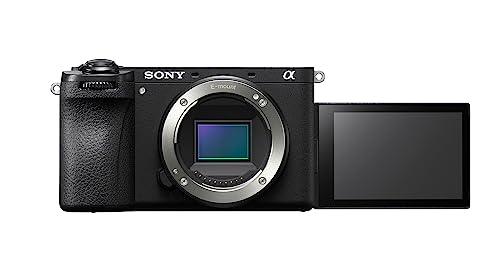
A dedicated AI processing chip drives subject recognition that holds onto an animal even as it turns away or slips behind foliage. Files stay clean off the 26 megapixel APS-C sensor, and the E mount opens a deep catalogue of affordable telephoto lenses. Size stays compact enough for an all-day carry at a wildlife park.
Pros
- Excellent animal recognition autofocus performance
- Access to a large, affordable E mount lens range
- Compact enough for all-day carrying
Cons
- Burst rate trails the Canon R7
- Only one memory card slot

Canon EOS R10
Canon’s animal detection autofocus arrives at an entry level price, so beginners photographing a family dog get the same eye tracking as pricier bodies. A 24 megapixel APS-C sensor and quick burst handle restless pets well. Its light body suits smaller hands and long days spent outdoors.
Pros
- Animal eye tracking at an approachable price
- Very light body for long days outdoors
- Fast burst rate for the price point
Cons
- No in body image stabilization
- Limited weather sealing compared to rivals

Nikon Z50 II
Modern subject detection meets a friendly, well gripped body suited to anyone new to cameras. A 21 megapixel APS-C sensor produces pleasing colour straight off the card, and Nikon’s guide features explain settings along the way. Animal recognition tracks pets reliably in good light.
Pros
- Comfortable, deep hand grip design
- Guided controls help complete beginners
- Pleasing colour straight out of camera
Cons
- Smaller native lens selection than rivals
- No in body image stabilization

Fujifilm X-S20
A 26 megapixel APS-C sensor combines with in body stabilization and subject detection tuned for animals and birds. Deep battery life suits long outings, and a fully articulating screen helps when filming a pet at floor level. Fujifilm’s colour science gives files a finished look straight off the sensor.
Pros
- In body stabilization aids handheld shooting
- Strong battery life for its class
- Attractive, film-inspired colour rendering
Cons
- Autofocus trails Sony and Canon on erratic subjects
- Grip runs shallow for larger hands

Sony Alpha a7 IV
Indoor pets and dim conditions favor this full frame body, which pulls ahead on high ISO cleanliness and animal recognition. A 33 megapixel sensor leaves room to crop into a distant subject, and the E mount telephoto range covers zoo and garden reach easily. Weight and price both increase over the crop sensor bodies here.
Pros
- Excellent low light performance for indoor pets
- High resolution allows aggressive cropping later
- Deep telephoto lens selection available
Cons
- Heavier and pricier than crop sensor rivals
- Slower burst rate than dedicated action cameras

OM System OM-5
Weight stays low for a day at the zoo or a walking safari, while the Micro Four Thirds crop doubles the effective reach of compact telephoto lenses. Weather sealing shrugs off rain and dust, and strong stabilization allows handheld shooting at long focal lengths. Low light performance is the expected trade for the smaller sensor.
Pros
- Very light for extended days outdoors
- Doubles effective reach of any telephoto lens
- Robust weather sealing against rain and dust
Cons
- Smaller sensor limits low light reach
- Animal detection less refined than rivals
The lineup, side by side
| # | Model | Sensor | Best for | Score | Price |
|---|---|---|---|---|---|
| 1 | Canon EOS R7 | 33 megapixel APS-C | Best overall | 9.4 | Check price |
| 2 | Sony Alpha a6700 | 26 megapixel APS-C | Best value | 9.2 | Check price |
| 3 | Canon EOS R10 | 24 megapixel APS-C | Best budget | 9.0 | Check price |
| 4 | Nikon Z50 II | 21 megapixel APS-C | Best for beginners | 8.8 | Check price |
| 5 | Fujifilm X-S20 | 26 megapixel APS-C | Best for stills and video | 8.6 | Check price |
| 6 | Sony Alpha a7 IV | 33 megapixel full frame | Best full frame option | 8.3 | Check price |
| 7 | OM System OM-5 | 20 megapixel Micro Four Thirds | Best for travel and zoo trips | 8.0 | Check price |
Good to know
Do I need animal detection autofocus?
It makes the single biggest practical difference. A camera that finds and holds a pet’s eye automatically produces far more keeper shots than one requiring manual focus placement on a moving animal.
Is a crop sensor camera better for animal photography?
Often, yes, since the crop multiplies lens reach and fills the frame with a distant subject using a smaller, cheaper telephoto. Full frame only wins when low light performance matters more than reach.
What lens pairs well with these cameras?
A telephoto zoom in the 70 to 300mm range covers most pet, garden and zoo situations. On a crop body, that range reaches even further before longer, pricier glass becomes necessary.
Can these cameras photograph pets indoors?
Yes, though dim rooms favor the full frame Sony Alpha a7 IV or a fast lens on any body. Good window light lets every camera here handle indoor pets comfortably.
How much burst speed does animal photography actually need?
Around 10 to 15 frames per second covers most pet and backyard situations. Higher rates help with very fast action but fill memory cards quickly, so treat them as a bonus rather than a requirement.
Are these cameras good for photographing birds too?
For garden and feeder birds, yes, especially the crop sensor bodies with their added reach. Dedicated distant birding still needs longer lenses and the tracking found in specialist wildlife cameras.
Do I need weather sealing for casual backyard shots?
Not for casual garden use, but light rain or dusty conditions favor the sealed OM-5 or R7, provided the attached lens is sealed as well.
Which camera handles a beginner’s first pet shoot best?
Canon EOS R10 and Nikon Z50 II both target newcomers with guided modes and automatic subject tracking that manage a family pet without any technical knowledge.
Canon EOS R7 vs Sony Alpha a6700: which is the better animal camera?
R7 offers a faster burst rate and greater crop sensor reach. The a6700 counters with AI-driven tracking and access to a deeper, more affordable E mount lens catalogue. Either handles most pet and zoo situations well.
The bottom line
Canon EOS R7 stands as the most complete choice for animal photography, pairing reliable animal eye tracking with crop sensor reach and a fast enough burst for restless pets. Sony Alpha a6700 offers the best value alongside a deeper lens catalogue. Photographers shooting indoor pets in dim light get cleaner files from the full frame Sony Alpha a7 IV.