Cameras Built for Sharp, Fast Instagram Photos
The Fujifilm X-S20 leads for Instagram because its film simulations produce shareable colour without editing. The Sony ZV-1 II is the most pocketable option, and the Sony a6400 tracks faces most reliably. The Panasonic Lumix G7 is the budget entry point.
Colour decides more than resolution here. The Fujifilm X-S20 wins overall because its film simulations turn out finished JPEGs, while the Sony ZV-1 II wins on pure pocketability and the Sony a6400 locks onto faces fastest.
A feed needs consistent colour, yet the camera also has to be small enough to grab on the way out the door. We compared sensor size, straight out of camera colour, body and lens weight, face tracking accuracy, and how simply each model sends a photo to a phone.
The top picks, ranked

Fujifilm X-S20
Film simulations give JPEGs a finished look before any filter, so most shots post without an edit. An APS-C sensor keeps detail clean and adds gentle background blur with a fast prime. Small XF lenses keep the whole kit light enough to carry daily.
Pros
- Finished colour with no editing needed
- Compact body pairs well with small primes
- In body stabilisation helps handheld shots
Cons
- Menu system takes time to learn
- Sharpest primes add extra cost

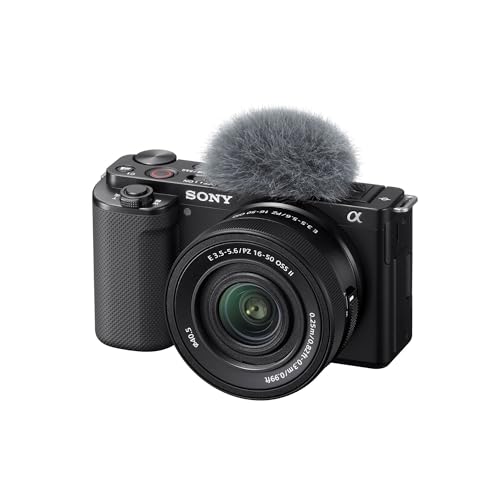
Sony ZV-1 II
A fixed wide to short telephoto zoom covers scenery, food and portraits without swapping lenses. The one inch sensor beats a phone for low light and background separation. It slips into a jacket pocket, which is why it gets carried more often than a bigger camera.
Pros
- Fits in a jacket or bag pocket
- Built in zoom covers most everyday shots
- Posts to a phone in seconds over Wi-Fi
Cons
- Sensor trails the APS-C picks in low light
- No viewfinder for shooting in bright sun

Canon PowerShot G7X Mark III
Canon’s colour science flatters skin tones straight from the sensor, which built this compact a following among creators. A bright zoom and one inch sensor add softness to food and portrait shots that a phone camera struggles to match. It barely registers in a bag.
Pros
- Flattering skin tones out of camera
- Fast lens helps in low light
- Small enough to carry every day
Cons
- Contrast detect autofocus trails newer models
- No weather sealing on the body
Sony a6400
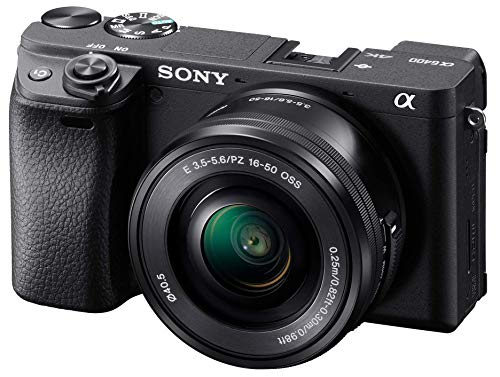
Eye detection autofocus locks reliably, so candid shots of people come back sharp far more often. Swap in a fast prime and portraits gain real background blur. It runs larger than the compacts here, but the jump in lens choice justifies carrying it.
Pros
- Eye autofocus rarely misses a face
- Large sensor keeps images clean
- Wide E-mount lens selection to grow into
Cons
- No in body stabilisation
- Kit zoom lens is only average

Canon EOS R50
A guided interface walks new owners through settings while subject detection keeps shots in focus. Canon colour needs little correction before posting. Light weight makes it easy to hand to a friend for a group shot without complaint.
Pros
- Guided menus suit first time owners
- Light body for a mirrorless camera
- Pleasant colour needs little editing
Cons
- Small battery needs frequent charging
- RF-S lens range is still limited

Nikon Z fc
Physical dials and a retro shell make the camera itself part of what people share. Underneath sits a capable APS-C sensor with clean, natural colour for portraits. Face and eye detection keep focus steady during casual shooting.
Pros
- Distinctive retro styling stands out
- Tactile dials for shutter and aperture
- Clean, natural colour rendering
Cons
- No in body stabilisation
- Grip feels shallow for larger hands

Panasonic Lumix G7
A built in viewfinder and fully articulating screen give framing flexibility rarely found this cheap. The smaller sensor trails APS-C rivals in low light and background blur. Good light and a fast prime still produce sharp, postable photos.
Pros
- Lowest cost body with a viewfinder
- Articulating screen frames any angle
- Affordable, wide lens range
Cons
- Sensor struggles more in low light
- Less background blur than APS-C bodies
Compared at a glance
| # | Model | Sensor | Best for | Score | Price |
|---|---|---|---|---|---|
| 1 | Fujifilm X-S20 | APS-C, 26 megapixel | Best overall | 9.4 | Check price |
| 2 | Sony ZV-1 II | One inch | Best for portability | 9.1 | Check price |
| 3 | Canon PowerShot G7X Mark III | One inch | Best value compact | 8.9 | Check price |
| 4 | Sony a6400 | APS-C, 24 megapixel | Best for image quality | 8.7 | Check price |
| 5 | Canon EOS R50 | APS-C, 24 megapixel | Best for beginners | 8.5 | Check price |
| 6 | Nikon Z fc | APS-C, 21 megapixel | Best for style | 8.2 | Check price |
| 7 | Panasonic Lumix G7 | Micro Four Thirds | Best budget | 8.0 | Check price |
What to look for
What actually makes a photo Instagram ready Consistent colour matters more than raw resolution for a feed people scroll fast. Fujifilm’s film simulations and Canon’s colour science stand out because both hand you a finished JPEG. Shooting raw adds flexibility, but for a feed updated often, in camera colour is what keeps the posting habit alive.
Sensor size versus a camera you will actually carry A larger APS-C sensor beats a compact for low light and background blur, yet the best camera is the one still in your bag next weekend. The X-S20 and a6400 win on outright quality, while the ZV-1 II and G7X Mark III get used more because they slip into a pocket. Be honest about what you will really carry.
Best cameras for portraits and people Eye and face detection autofocus separates a sharp candid from a soft miss. The Sony a6400 tracks people most reliably here, and pairing any interchangeable body with a fast prime adds the background blur that makes a portrait pop on a feed.
Getting photos from camera to phone fast Every pick here transfers over Wi-Fi through the maker’s own app, though the experience varies between brands. Test the workflow before a trip. Building a habit of moving a few favourites after each outing keeps a real camera in rotation instead of gathering dust.
Good to know
Is a dedicated camera really better than a phone for Instagram?
For low light, background blur and cropping room, yes. A larger sensor and fast lens create depth a phone still only approximates. The trade off is carrying the camera and transferring photos, which is why portability matters so much.
Which camera gives the best colour without editing?
The Fujifilm X-S20 leads thanks to its film simulations, and Canon’s models follow closely for natural skin tones. Both produce JPEGs ready to post, saving real time on a feed updated often.
What is the most portable camera for Instagram?
The Sony ZV-1 II and Canon PowerShot G7X Mark III, both pocketable compacts built around a one inch sensor. Either is the camera you actually carry when a bigger body would stay home.
Do I need an interchangeable lens camera for social media?
Not to start. The compacts here handle most everyday shooting well. An interchangeable body like the a6400 or X-S20 pays off once a fast prime becomes worth the extra weight.
Which camera is best for portraits of people?
The Sony a6400 for reliable eye autofocus, and the Fujifilm X-S20 for its colour. Pair either with a fast prime lens for the soft background that makes portraits stand out.
How do I get photos from a camera onto Instagram?
Every camera here connects to a phone over Wi-Fi through its manufacturer’s app, so you transfer chosen shots and post from the phone. Set the app up before a first outing so the habit sticks.
Is a viewfinder important for shooting outdoors?
It helps in bright sun where a rear screen washes out, and some people simply prefer composing through one. The Lumix G7 and X-S20 include a viewfinder, while the compacts rely on the screen alone.
What is the best budget camera for Instagram?
The Panasonic Lumix G7, the cheapest pick here with a viewfinder and articulating screen. In good light with a fast prime it produces sharp, postable photos, though it trails APS-C bodies in low light.
Point and shoot or mirrorless for Instagram?
Point and shoots like the ZV-1 II win on convenience and size, while mirrorless bodies like the a6400 or X-S20 win on image quality and lens choice. Pick based on how much gear you want to carry regularly.
The verdict
The Fujifilm X-S20 suits most people best, since its film simulations hand over a finished look with no editing and small lenses keep it easy to carry daily. Anyone wanting a true pocket camera should choose the Sony ZV-1 II. If autofocus for people matters most, the Sony a6400 tracks faces most reliably, especially with a fast prime attached.