News Reporters Need Cameras That Shoot Fast and Reliably
Sony a7 IV leads for news reporters with dual card slots, full frame low light and both a mic input and headphone jack. Panasonic Lumix GH5 wins on pure reliability with no recording limit, and Canon EOS R7 is the value pick with dual slots at a lower cost.
Sony a7 IV combines dual card slots, strong low light and both audio jacks in one body, which is why it tops this list. Panasonic Lumix GH5 is the workhorse that simply keeps running on long days, while Canon EOS R7 offers dual slots at the lowest sensible price.
News gear earns trust by not failing, since a dropped card or an overheating body mid interview can cost the whole story. We compared published recording limits, card slot counts, audio connections and rated battery life, then weighed what working owners report about heat and buffer stalls.
What we recommend
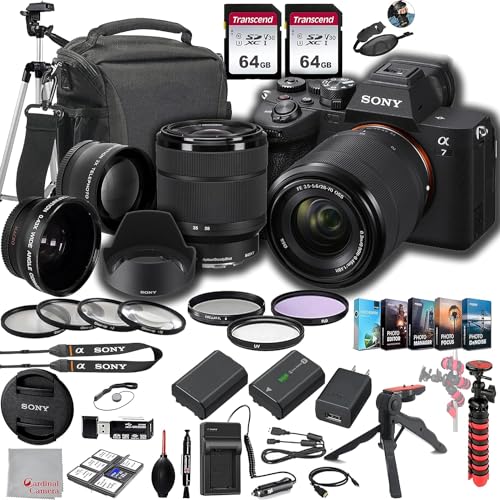
Sony a7 IV
Dual card slots let a reporter working alone write a backup of every clip while shooting, and the full frame sensor holds up in dim press rooms and evening exteriors. Both a microphone input and a headphone jack are onboard, so a lav or shotgun mic can be monitored live. Long 4K takes can warm the body up, but interview length segments stay dependable.
Pros
- Dual slots for instant backup
- Strong low light from a full frame sensor
- Full sized headphone jack for monitoring
Cons
- Warms up on very long 4K takes
- Body and lenses add extra weight

Panasonic Lumix GH5
No artificial recording limit and cooling that shrugs off long takes built this camera’s reputation on shoots that simply cannot stop. Two SD slots and both audio jacks come standard, though the smaller sensor trades away some low light performance for that endurance. A reporter needing a body that runs all day without a heat warning still reaches for it.
Pros
- No recording time limit
- Handles heat on long takes
- Two SD slots and both audio jacks
Cons
- Smaller sensor is weaker in low light
- Autofocus lags newer rivals

Canon EOS R7
Dual SD slots and quick, sticky subject autofocus arrive at a price well below the full frame bodies here, appealing to a reporter on a budget who still wants a backup card. The crop sensor reaches further with a given lens, useful for scrums and podium shots. A mic input covers basic audio, but there is no headphone jack, so monitoring means trusting the meters.
Pros
- Dual slots at a lower price
- Fast, reliable subject tracking
- Crop sensor extends reach at distance
Cons
- No headphone jack for monitoring
- Can overheat in the longest 4K modes
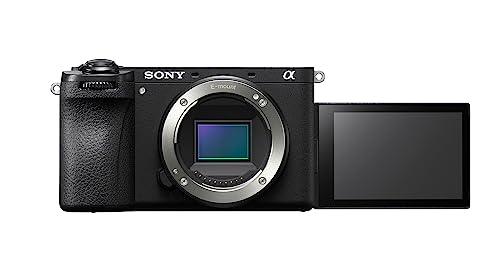
Sony a6700
A compact APS-C body houses confident autofocus and a fully articulating screen, suited to a solo reporter moving fast between shots. Both a mic input and a headphone jack fit into a small frame, a rare pairing at this size. Only a single card slot is on board, so there is no in camera backup while shooting.
Pros
- Excellent, dependable autofocus
- Both audio jacks in a small body
- Articulating screen for any angle
Cons
- Only one card slot, no backup
- Small body tires the hand with big lenses

Fujifilm X-S20
Strong stabilization and a large battery fit into a light body, easy to carry all day and quick to deploy for a piece to camera. Fewer battery swaps between segments come from that bigger cell, and a mic input plus headphone monitoring via a USB-C adapter cover audio. A single card slot means offloading footage often instead of relying on redundancy.
Pros
- Light and quick to carry
- Large battery reduces swaps
- Strong in body stabilization
Cons
- Single card slot, no backup
- Headphone monitoring needs an adapter

Panasonic Lumix G7
A low price gets a reporter into 4K with a mic input and no recording limit, a lot of practical capability for the cost. Low light image quality is basic and there is no headphone jack, but daytime field pieces and interviews on a tight budget still come out usable. Treat it as a reliable second body rather than a low light performer.
Pros
- Very low cost for 4K with a mic input
- No recording time limit
- Light and simple to operate
Cons
- Weak in low light
- No headphone jack and single slot
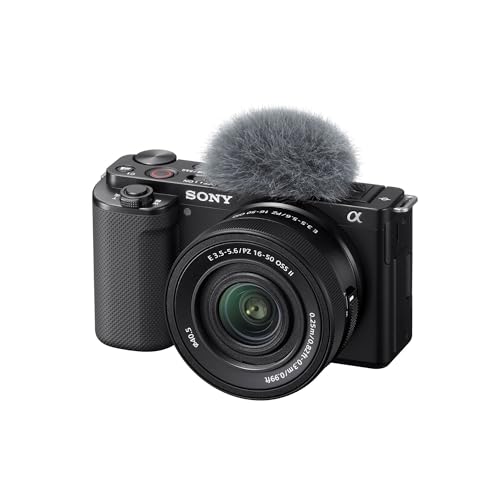
Sony ZV-E10
A front facing flip screen lets a reporter working without a crew frame a stand up and hit record with confidence. A background defocus button and a capable built in directional mic simplify quick self shot segments. Only a mic input is present, no headphone jack, and long 4K can trigger overheating, so short field hits suit it better than marathon coverage.
Pros
- Front screen for solo stand ups
- Useful built in directional mic
- Light, discreet body
Cons
- Overheats in long 4K takes
- No headphone jack, single slot
How they compare
| # | Model | Video | Best for | Score | Price |
|---|---|---|---|---|---|
| 1 | Sony a7 IV | 4K up to 60p | Best overall | 9.4 | Check price |
| 2 | Panasonic Lumix GH5 | 4K up to 60p | Best for reliability | 9.2 | Check price |
| 3 | Canon EOS R7 | 4K up to 60p | Best value | 9.0 | Check price |
| 4 | Sony a6700 | 4K up to 60p oversampled | Best for run and gun | 8.8 | Check price |
| 5 | Fujifilm X-S20 | 4K up to 60p | Best for portability | 8.6 | Check price |
| 6 | Panasonic Lumix G7 | 4K up to 30p | Best budget | 8.3 | Check price |
| 7 | Sony ZV-E10 | 4K up to 30p | Best for solo pieces to camera | 8.0 | Check price |
How to pick the right one
Why dual card slots matter more than resolution A second card slot writing a live backup is worth more than a resolution jump, since a corrupted card with no copy means the story is lost. The a7 IV, GH5 and R7 all offer two slots. Single slot bodies demand a habit of offloading between segments and carrying spare cards, because that discipline becomes the backup instead.
Which matters more for a news camera, audio or video? A newsroom forgives soft footage far sooner than unusable audio. A mic input at minimum lets a reporter run a lav or shotgun mic, and a headphone jack matters because monitoring catches a dead battery or loose connector before it ruins a take. The a7 IV, GH5 and a6700 offer both; several others leave a reporter trusting the meters.
How overheating and recording limits show up in the field Long interviews and live events expose thermal weaknesses fast. The GH5 and G7 carry no internal recording limit and handle heat well, which is why they endure on demanding shoots. Bodies like the ZV-E10 and R7 can throw a heat warning in extended 4K, so plan breaks or lower the frame rate on long form coverage.
What low light performance means for evening assignments News does not wait for good light, so sensor size and a bright lens decide how usable evening and indoor footage becomes. The full frame a7 IV leads here, APS-C bodies form a solid middle ground, and the smaller sensor Panasonic bodies need more available light. A fast lens does more for a dim press room than chasing extra megapixels.
Good to know
What is the single most important feature for a news camera?
Reliability under pressure. In practice that means dual card slots for a live backup and a mic input for clean audio, since a lost card or bad sound ends a story faster than any resolution shortfall.
Do reporters really need dual card slots?
If the footage is irreplaceable, yes. A second slot writing a simultaneous copy protects against card failure in the field. A single slot body still works with frequent offloading and spare cards carried as a backup plan.
Which camera here handles long recording best?
The Panasonic Lumix GH5 and Lumix G7, since neither imposes an internal recording limit and both manage heat well on long takes. Mirrorless bodies like the ZV-E10 are more likely to warn and stop during extended 4K.
Is full frame necessary for news work?
No, but it helps in low light. The full frame a7 IV performs strongest in dim press rooms and at dusk. APS-C bodies like the a6700 and R7 are a practical middle ground when paired with a fast lens.
Can audio be monitored live on all of these cameras?
No. The a7 IV, GH5 and a6700 have full headphone jacks. The R7, G7 and ZV-E10 offer only a mic input, so a reporter relies on the on screen meters instead.
What is the best camera for a solo reporter with no crew?
The Sony ZV-E10 and a6700 both have front or fully articulating screens for framing a stand up alone. The ZV-E10 costs less, while the a6700 adds a headphone jack and sharper autofocus.
How important is battery life on a long shoot?
Very. Long days mean swaps, so a large battery reduces interruptions. The Fujifilm X-S20 stands out for stamina here. Whatever the choice, carrying two charged spares covers a full day in the field.
Are these cameras good enough for broadcast delivery?
Many local and online newsrooms accept 4K from bodies like the a7 IV and GH5. Outlet delivery specs for frame rate and codec should still be confirmed, since some broadcasters require settings only certain models reach.
Sony a7 IV vs Panasonic Lumix GH5, which suits daily news work better?
The Sony a7 IV wins on low light and full frame image quality, useful for evening exteriors and dim interiors. The Panasonic Lumix GH5 wins on pure endurance, since it never imposes a recording limit and manages heat better on marathon shoots.
What is the best budget camera for a news reporter?
The Panasonic Lumix G7 gets a reporter into 4K with a mic input and no recording limit at the lowest cost on this list. Image quality in low light stays basic, so it suits daytime field pieces better than evening assignments.
Our take
Sony a7 IV is the camera to hand a working reporter first, since dual card slots, full frame low light and both audio jacks cover the ways a shoot usually goes wrong. Anyone needing a body that simply never stops should reach for the Panasonic Lumix GH5 and its unlimited recording. For dual slot security at the lowest sensible price, the Canon EOS R7 remains the value choice, provided a missing headphone jack is not a dealbreaker.

