Kayaks Built to Handle Lakes, Rivers and Rough Days
For most outdoor paddlers, the Old Town Loon 126 offers the best balance of capacity and comfort. Budget-focused buyers should consider the Lifetime Tamarack 100, while anglers get more from the Perception Pescador Pro 12.0’s rod holders and tankwell storage.
Outdoor kayaking spans calm ponds and weekend fishing trips, so hull type and weight capacity matter more than price alone. Old Town Loon 126 stands out for all-around stability, while Lifetime Tamarack 100 keeps cost low without dropping capacity. Anglers get more from the Perception Pescador Pro 12.0’s built-in rod holders and tankwell storage.
Published specifications, hull materials, and owner feedback across sit-inside, sit-on-top, and inflatable designs shaped this list, covering the main outdoor use cases. Weight capacity, portability, and storage needs carried the most weight in these picks, since they determine whether a kayak fits a given paddler’s trips.
Our top picks

Old Town Loon 126
Sit-inside design suits lakes, slow rivers, and mixed outdoor days. Three-layer polyethylene hull holds up under everyday abrasion from launches and rocky shorelines. Owners report stable tracking for casual paddlers who split time between fishing spots and open water.
Pros
- 450-pound weight capacity ranks among the highest here for gear-heavy trips
- Adjustable ACS2 seat with backrest support reduces fatigue on longer paddles
- Roomy cockpit fits paddlers of varying heights without cramping
Cons
- At 59 pounds, solo loading onto a roof rack takes some effort
- Sit-inside cockpit collects more water in choppy conditions than sit-on-top designs

Sun Dolphin Aruba 10 SS
Compact 10-foot hull keeps this model easy to carry to lakeside launches without a trailer. Fortiflex high-density polyethylene resists UV fading after repeated outdoor storage. An included paddle, adjustable footbraces, and a storage hatch cover most beginner needs in one package.
Pros
- 44-pound hull is manageable for one person to carry solo
- Adjustable padded seat back and thigh pads improve comfort for shorter outings
- Shock cord deck rigging secures dry bags and small gear
Cons
- 250-pound weight capacity limits it for larger paddlers or loaded gear
- Open cockpit design lets more spray in during breezy conditions

Lifetime Tamarack 100
Blow-molded polyethylene construction keeps entry cost low while remaining impact resistant on rocky put-ins. Flat-bottom hull adds stability for first-time paddlers testing calm ponds and slow rivers. Molded footwells accommodate multiple leg lengths without extra hardware.
Pros
- 275-pound capacity outperforms several kayaks in its price tier
- Flat hull design offers reassuring stability for new paddlers
- Sit-on-top layout drains water automatically through scupper holes
Cons
- No included skeg means tracking wanders in crosswinds
- Basic strap seat offers less back support than padded alternatives
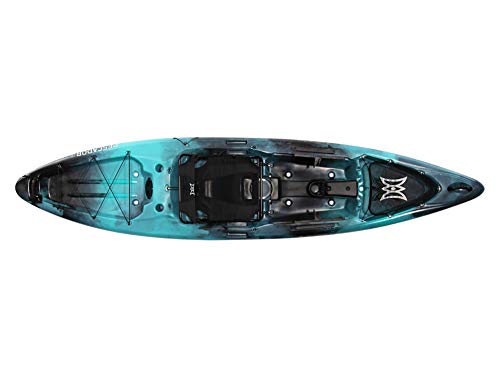
Perception Pescador Pro 12.0
Rotomolded HDPE hull carries rod holders, an accessory track, and a center console built for electronics mounting. Stadium-style seat adjusts between upright and reclined positions for long days on the water. 375-pound capacity covers most anglers loaded with tackle and a cooler.
Pros
- Molded-in rod holders and accessory track simplify rigging for fishing gear
- Bow and rear tankwells with mesh covers keep loose items secured
- Two-position seating adds comfort during extended outdoor sessions
Cons
- 64-pound hull weight makes solo transport to the water more demanding
- Wider 32.5-inch beam trades some paddling speed for fishing stability
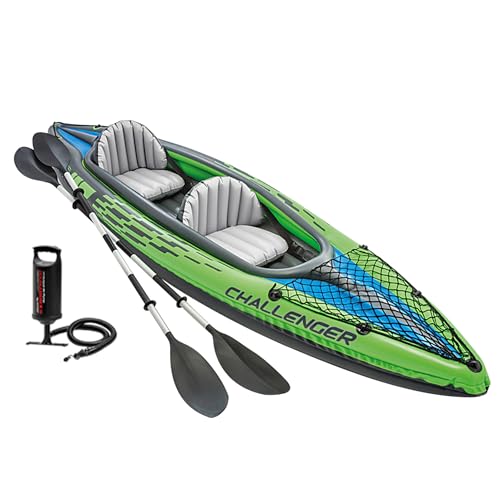
Intex Challenger K2
Two-seat inflatable layout lets a parent and child, or two adults, paddle together on calm lakes. 30-gauge PVC vinyl construction packs down into a carry bag for car trunk storage between outings. Included oars, hand pump, and repair kit cover setup without separate purchases.
Pros
- 27.5-pound kayak weight makes it the lightest option to haul to the shoreline
- 400-pound capacity supports two paddlers plus daypacks
- Deflates and rolls into a compact bag for apartment or closet storage
Cons
- Vinyl hull is less puncture resistant on rocky or debris-heavy shorelines
- Best suited to flat water, since it tracks poorly in wind or current

Advanced Elements AdvancedFrame Convertible
Aluminum rib frame built into the bow and stern improves tracking compared to standard inflatable kayaks. PVC-coated fabric hull folds into a duffel-sized bag, freeing up closet or trunk space at home. Removable center section converts the cockpit between tandem and solo configurations.
Pros
- 550-pound capacity is the highest among the products compared here
- Convertible cockpit adapts from two paddlers to one for solo trips
- Aluminum ribs reduce the flex common in fully soft-sided inflatables
Cons
- 52-pound packed weight is heavier than typical inflatable kayaks
- Setup and breakdown take longer than snap-together hardshell alternatives

Pelican Argo 100X
Twin-arched, multi-chined hull adds secondary stability without sacrificing paddling speed. Ram-X polyethylene construction keeps the boat light enough for one person to carry from car to launch. Compact 10-foot length suits narrow creeks and tight put-ins better than longer touring hulls.
Pros
- 36-pound weight ranks among the lightest hardshell kayaks in this lineup
- Large open cockpit simplifies entry and exit at shallow launches
- Multi-chined hull design improves side-to-side stability for casual paddlers
Cons
- 275-pound capacity limits it for taller or heavier paddlers with gear
- Shorter hull length reduces glide efficiency on longer open-water crossings
Before you buy
What to look for in an outdoor kayak Hull material affects durability, weight, and price across every kayak style. Polyethylene hulls resist UV damage and abrasion but add bulk, often 40 to 65 pounds per boat. Inflatable PVC hulls cut weight dramatically, sometimes under 30 pounds, though puncture resistance drops. Weight capacity should exceed a paddler’s body weight plus gear by at least 50 pounds for stable handling. Storage space at home also narrows the field, since hardshell kayaks need a rack, garage, or yard, while inflatables fold into a closet.
Sit-on-top vs sit-inside kayaks for recreation Sit-on-top kayaks drain water automatically through scupper holes, so waves and splashes matter less. Warm-weather paddlers and anglers favor this open design for easy entry and exit. Sit-inside models like the Old Town Loon 126 keep legs shielded from spray and wind, useful on cooler days or longer paddles. Cockpit size determines comfort for taller paddlers, since a cramped opening limits leg movement. Neither style outperforms the other universally; trip length and climate should guide the choice.
Best kayaks for fishing and tandem paddling Fishing kayaks add rod holders, tackle storage, and mounting tracks for electronics, as seen on the Perception Pescador Pro 12.0. Stability often matters more than speed here, since anglers stand or lean while casting. Tandem paddling calls for a different set of features: two seating positions, a higher weight capacity, and enough length to balance two paddlers’ strokes. Intex Challenger K2 and Advanced Elements AdvancedFrame Convertible both support two-person use, though their hull materials and packed size differ substantially.
Inflatable kayaks for easy storage and transport Renters and apartment dwellers without garage space benefit most from inflatable designs. A folded inflatable kayak fits in a car trunk or closet, unlike a 12-foot hardshell that needs roof racks or a trailer. Aluminum rib frames, found in the Advanced Elements AdvancedFrame Convertible, add rigidity that basic inflatables lack, improving tracking on open water. Setup time runs longer than a hardshell launch, typically 5 to 10 minutes with a hand or electric pump. Puncture repair kits, included with most inflatable models, address minor damage from rocks or debris without ending a trip.
Compared at a glance
| # | Model | Length | Best for | Score | Price |
|---|---|---|---|---|---|
| 1 | Old Town Loon 126 | 12 ft 6 in | Best overall | 9.4 | Check price |
| 2 | Sun Dolphin Aruba 10 SS | 10 ft | Best value | 9.1 | Check price |
| 3 | Lifetime Tamarack 100 | 10 ft | Best budget | 8.8 | Check price |
| 4 | Perception Pescador Pro 12.0 | 12 ft | Best for fishing | 8.6 | Check price |
| 5 | Intex Challenger K2 | 11.5 ft | Best for tandem paddling | 8.4 | Check price |
| 6 | Advanced Elements AdvancedFrame Convertible | 15 ft | Best for inflatable storage | 8.2 | Check price |
| 7 | Pelican Argo 100X | 10 ft | Best for solo lightweight paddling | 8.0 | Check price |
Common questions
What size kayak is best for outdoor recreational paddling?
Most recreational paddlers do well with a 10 to 12 foot kayak. Shorter hulls under 10 feet turn easily in narrow creeks, while longer hulls like the Old Town Loon 126 track straighter on open lakes.
Which kayak is better for fishing, sit-on-top or sit-inside?
Sit-on-top models suit most anglers because they drain water and allow standing to cast. The Perception Pescador Pro 12.0 adds rod holders and tackle storage that sit-inside designs typically skip.
Are inflatable kayaks good enough for regular outdoor use?
Modern inflatable kayaks like the Intex Challenger K2 and Advanced Elements AdvancedFrame Convertible hold up on calm lakes and slow rivers. Rocky or debris-heavy shorelines increase puncture risk compared to polyethylene hulls.
Can two people paddle a kayak built for outdoor family trips?
Yes, tandem-rated kayaks such as the Intex Challenger K2 and the AdvancedFrame Convertible support two paddlers. Combined weight capacity needs to cover both people plus gear, so check the rated limit before loading.
What is the best budget kayak for beginners?
The Lifetime Tamarack 100 offers a low entry cost with a 275-pound weight capacity and blow-molded polyethylene construction. Its flat-bottom hull adds stability for paddlers still learning balance.
How much weight capacity does an outdoor kayak need?
Add the paddler’s body weight, gear, and a safety margin of roughly 50 pounds to find the minimum needed capacity. Anglers carrying tackle boxes and coolers should lean toward a higher rating, like the 375-pound Perception Pescador Pro 12.0.
Old Town Loon 126 vs Sun Dolphin Aruba 10 SS, which fits more outdoor trips?
The Loon 126 carries more weight, up to 450 pounds, and suits longer paddles with its roomier cockpit. The Aruba 10 SS costs less to produce and weighs only 44 pounds, making it easier to carry solo for shorter outings.
Do outdoor kayaks need a roof rack for transport?
Hardshell kayaks over 10 feet generally need a roof rack, trailer, or truck bed for transport. Inflatable models such as the AdvancedFrame Convertible avoid this requirement since they deflate and pack into a carry bag.
Is a sit-inside or sit-on-top kayak better for cold weather?
Sit-inside kayaks like the Old Town Loon 126 shield legs from wind and spray, which helps on cooler days. Sit-on-top designs stay cooler and drier to reboard, better suited to warm-weather paddling.
How long do polyethylene kayak hulls typically last outdoors?
Polyethylene resists UV fading and cracking for years with occasional indoor or shaded storage. Constant direct sun exposure without cover shortens hull life faster than moderate seasonal use.
Our pick
Outdoor kayaking spans lakes, rivers, and coastal trips, so no single hull fits every paddler. Old Town Loon 126 balances capacity and comfort for most recreational use, while Perception Pescador Pro 12.0 and Intex Challenger K2 serve anglers and tandem paddlers respectively. Matching weight capacity, hull material, and storage space to actual trip plans matters more than chasing a single best pick.


