Rope, Wood, or Cement: Which Bird Perch Cleans Easiest
JW Pet Company’s Comfy Perch leads for most cages with a washable rope cover over a bendable wire core. Prevue Pet Products’ Wood Perch wins on value with a wipeable sealed surface. Polly’s Pet Products’ Pedi-Perch conditions nails through textured cement.
JW Pet Company’s Comfy Perch tops this comparison for most cage setups, since its bendable wire core lets owners shape rope into spirals or straight runs. A removable rope cover handles machine washing, though the wire can lose its bend after repeated reshaping.
Cleaning method and foot health do not always align, so a perch that washes easily is not always the best texture for nail wear. We compared material, diameter, cleaning method, and size fit against cage-bar spacing and bird size, drawing on manufacturer specifications and owner feedback.
How to choose
What makes a bird perch washable Perch material decides how you clean it. Rope perches use braided cotton or fabric wraps that unclip or unzip for a wash cycle. Wood and cement perches skip the washing machine entirely, relying on soap, water, and a scrub brush for buildup. Fabric-covered foam perches split the difference, pairing a removable sleeve with a wipeable core. Matching cleaning method to your routine matters as much as matching material to foot health.
Choosing the right perch diameter Foot span varies widely across species, from finches to macaws. A perch too thin forces constant gripping strain, while one too thick prevents a full wraparound grip. Budgies and cockatiels do well with diameters near half an inch. Conures and small cockatoos need closer to three-quarters of an inch. Macaws and large cockatoos require an inch or more to rest their feet properly. Mixing diameters across multiple perches in one cage supports healthier foot muscles than a single uniform size.
Cement perches and nail care Textured cement surfaces file nails down through everyday gripping and turning. Placement matters here, since putting a cement perch near food or water increases contact time. Extended standing on rough concrete can irritate feet, so it works best as one perch among several softer options. Calcium-infused versions add mineral content birds encounter through beak contact, not a diet replacement. Owners should still trim nails manually if a bird avoids the cement perch.
How often to clean each perch type Droppings and food residue build up fastest on perches near dishes. Wipeable wood and cement surfaces need attention every few days in busy cages. Rope and fabric covers benefit from a wash every one to two weeks, sooner if visibly soiled. Air-dry rope fully before reinstalling it, since damp fibers encourage mold growth. Rotating two perches lets one dry completely while the other stays in the cage.
Our top picks

JW Pet Company Comfy Perch
Cotton rope wraps around a bendable wire core, so owners twist it into spirals, loops, or straight runs. A removable cover comes off the frame for machine washing. Multiple length options fit cages from small to large.
Pros
- Machine-washable rope cover extends usable life
- Bendable wire lets owners customize shape per cage
- Soft texture eases pressure on resting feet
Cons
- Wire core can lose its bend after repeated reshaping
- Heavy chewers wear through rope faster, requiring more frequent washing

Prevue Pet Products Wood Perch
A natural hardwood dowel gives birds a firm, non-flexing grip. Soap and water wipe the sealed finish clean instead of needing a wash cycle. Multiple diameters match foot sizes from parakeets to conures.
Pros
- Sealed wood resists moisture damage during cleaning
- Firm surface supports natural foot exercise
- Screw-in mounting fits most standard cages
Cons
- Fixed diameter does not flex like rope
- Sensitive-footed birds may prefer softer padding
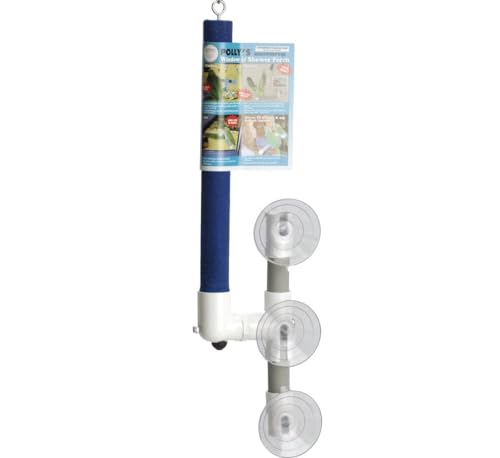
Polly’s Pet Products Pedi-Perch
Textured cement files nail tips down as birds grip and turn on the surface. Moisture resistance means droppings wipe away rather than soak in. Owners typically place it near a food dish for regular contact.
Pros
- Reduces need for manual nail trims
- Non-porous surface resists bacteria buildup
- Texture stays rough over years of use
Cons
- Not a rest perch, since prolonged standing irritates feet
- Heavier than wood or rope alternatives

Living World Rope Perch
Braided cotton rope stretches across the cage without a bendable core, staying straight or slightly curved. Hand washing keeps fibers clean between uses. Budget-conscious owners with parakeets or cockatiels make up its main audience.
Pros
- Lower cost than wire-core rope perches
- Soft rope cushions feet and joints
- Simple hand-wash cleaning routine
Cons
- No wire core, so shaping options stay limited
- Rope wears faster without a reinforced center
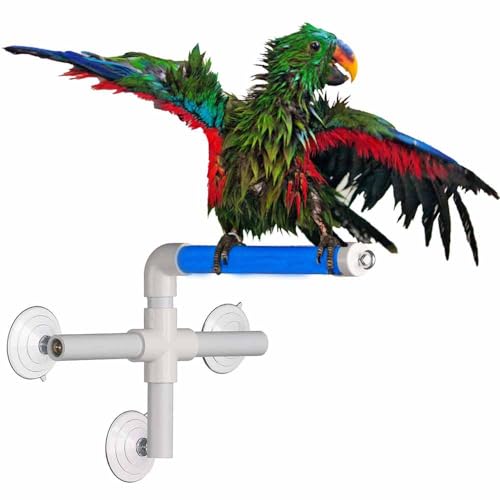
Super Bird Creations Calcium Perch
A wide-diameter cement perch supports the grip span of macaws and large cockatoos. Calcium mixed into the composite adds a mineral source birds can peck at. Wiping the rough surface clean takes little effort between uses.
Pros
- Diameter matches large parrot foot spans
- Calcium content adds extra mineral contact
- Surface resists moisture absorption
Cons
- Too large for small birds like budgies or finches
- Solid composite adds noticeable weight to cage bars
JW Pet Flexible Perch
Foam padding under a fabric wrap gives small birds a cushioned, thin-diameter grip. A bendable wire core lets owners route it into cage corners. The fabric cover removes for machine washing.
Pros
- Cushioned surface suits arthritic or sensitive feet
- Thin diameter fits finch and canary feet
- Washable fabric cover simplifies upkeep
Cons
- Foam core wears down faster than solid rope or wood
- Not sized for medium or large parrots

Polly’s Pet Products Comfy Perch
A contoured foam core cushions the foot arch, while a removable fabric sleeve zips off for washing. Flat-spot pressure common with straight dowels drops with this shape. Sizes scale from small parakeet cages to larger parrot enclosures.
Pros
- Removable sleeve simplifies washing without replacing the perch
- Contoured shape spreads foot pressure evenly
- Available across multiple size ranges
Cons
- Foam core can compress over time under heavy birds
- Not a nail-conditioning surface like cement options
How they compare
| # | Model | Material | Best for | Score | Price |
|---|---|---|---|---|---|
| 1 | JW Pet Company Comfy Perch | Cotton rope over bendable wire core | Best overall | 9.4 | Check price |
| 2 | Prevue Pet Products Wood Perch | Natural hardwood dowel | Best value | 9.1 | Check price |
| 3 | Polly’s Pet Products Pedi-Perch | Textured cement composite | Best for nail trimming | 8.8 | Check price |
| 4 | Living World Rope Perch | Braided cotton rope, no wire core | Best budget | 8.5 | Check price |
| 5 | Super Bird Creations Calcium Perch | Calcium-infused cement composite | Best for large parrots | 8.3 | Check price |
| 6 | JW Pet Flexible Perch | Fabric-wrapped foam over bendable wire | Best for small birds | 8.1 | Check price |
| 7 | Polly’s Pet Products Comfy Perch | Foam core with removable fabric sleeve | Best for sensitive feet | 8.0 | Check price |
Good to know
How often should you wash a bird perch?
Wipeable wood and cement perches need cleaning every few days in cages near food dishes. Rope and fabric covers typically need a wash every one to two weeks, sooner if droppings build up.
What is the best material for a washable bird perch?
No single material wins for every case. Rope offers a machine-washable cover and soft grip, cement offers nail conditioning with a wipeable surface, and wood offers a firm, sealed surface that resists moisture.
Can you put a rope bird perch in the washing machine?
Perches like the JW Pet Comfy Perch have a removable rope cover rated for machine washing. Check the listing first, since some rope perches recommend hand washing only to protect the wire core.
Are cement perches safe for birds’ feet?
Cement perches work well alongside softer perches, not as the only resting spot. Constant standing on rough concrete can irritate feet, so most owners place one cement perch near a food dish for brief, repeated contact.
How do you clean a wood bird perch?
Sealed wood perches wipe clean with mild soap and water. Rinse thoroughly and let the perch air dry before returning it to the cage, since trapped moisture can crack the wood over time.
Rope vs cement bird perches, which is better?
Rope perches cushion feet and bend into custom shapes but need regular washing. Cement perches condition nails and wipe clean quickly but should not serve as a bird’s only perch. Most cages benefit from both.
What size perch diameter is best for parakeets?
Parakeets and budgies generally do well with a diameter near half an inch, close to natural branch width. Slightly varied diameters across perches in the same cage encourage healthier foot flexing.
Do birds need more than one type of perch in a cage?
Multiple perch types support foot health better than one uniform perch. A rope perch for cushioned rest, a cement perch for nail contact, and a natural wood perch for firm grip cover the main bases.
Which bird perch works best for small birds like finches?
JW Pet’s Flexible Perch uses a thin, foam-cushioned diameter sized for finch and canary feet, with a bendable core that fits into cage corners.
What perch suits a bird with sensitive or arthritic feet?
Polly’s Pet Products Comfy Perch pairs a contoured foam core with a removable fabric sleeve, spreading pressure more evenly than a straight wood dowel.
Our pick
JW Pet Company’s Comfy Perch fits most single-bird cages best, since its washable rope cover and bendable core adapt to almost any layout. Owners focused on nail trimming should add Polly’s Pet Products Pedi-Perch alongside it rather than relying on rope alone. Budget-focused owners with parakeets or cockatiels can start with the Living World Rope Perch instead.


