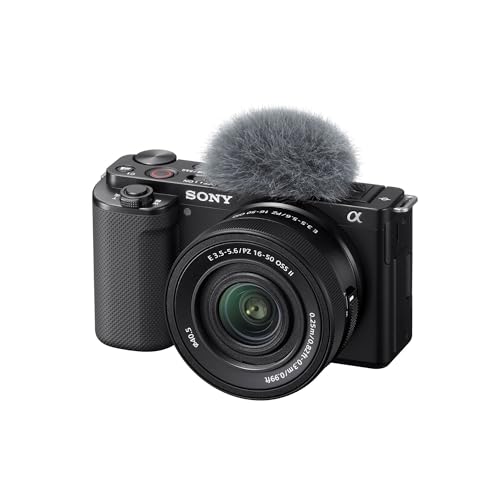
Safari Cameras Ready for the Dust and Distance
The Sony a9 III leads for safari thanks to its blackout free tracking and blistering autofocus on moving wildlife. The crop sensor Canon EOS R7 stretches your telephoto reach for far less money, and the Nikon Z8 delivers pro image quality with rugged weather sealing.
For serious safari shooting the Sony a9 III sets the pace with its stacked sensor, relentless autofocus and freedom from viewfinder blackout when animals bolt. Budget minded travelers gain extra reach from the crop sensor Canon EOS R7, while the Nikon Z8 blends pro grade files with the toughness a dusty game drive demands.
Safari is uniquely tough because subjects are far away, the light swings from harsh midday to dim dawn, and dust gets into everything on an open vehicle. We weighed effective telephoto reach, autofocus tracking on erratic wildlife, weather and dust sealing, buffer depth and battery life, then chose bodies that hold up across those pressures.
How to choose
Reach is everything on safari Animals rarely come close, so effective focal length decides whether you fill the frame or shoot a distant speck. Crop sensor bodies like the Canon R7 and Micro Four Thirds cameras such as the OM-1 Mark II multiply your lens reach, letting a lighter telephoto behave like a giant one on full frame.
Autofocus that locks onto wildlife A game drive gives you seconds before an animal moves, so fast, sticky subject and eye detection autofocus matters more than almost anything. Bodies with modern AI tracking hold focus on erratic birds and running cats far better than older systems, saving countless shots.
Weather sealing and dust resistance Open vehicles kick up fine dust that works into gaps, and weather can turn quickly. Prioritize well sealed bodies, keep lens changes to a minimum in the field, and consider the heavily rated sealing of cameras like the OM-1 Mark II when conditions get gritty.
Buffer, battery and card strategy Wildlife action comes in bursts, so a deep buffer and fast cards keep you shooting through a charging herd without stalling. Bring spare batteries and cards, since long dawn to dusk drives with high frame rates drain power and fill storage quickly.
The best picks, ranked

Sony a9 III
Its global shutter and blackout free viewfinder let you track a sprinting cheetah without distortion or interruption. Combined with elite subject autofocus, it is a formidable safari body for anyone chasing action.
Pros
- Blackout free action tracking
- No rolling shutter distortion
- Superb subject autofocus
Cons
- Expensive body
- 24MP limits extreme cropping

Canon EOS R7
The APS-C sensor multiplies your lens reach by 1.6 times, so a modest telephoto frames distant animals tightly. Fast burst speeds and reliable tracking make it a wildlife bargain for safari.
Pros
- Crop sensor extends telephoto reach
- High resolution for cropping
- Affordable for the performance
Cons
- Buffer fills faster than pro bodies
- Noisier in very low light

Nikon Z8
Essentially a compact flagship, the Z8 pairs a high resolution stacked sensor with deep autofocus smarts and serious weather sealing. It gives you room to crop distant wildlife and still print big.
Pros
- High resolution for heavy cropping
- Excellent animal eye autofocus
- Rugged, well sealed body
Cons
- Large files fill cards fast
- Heavier than crop bodies
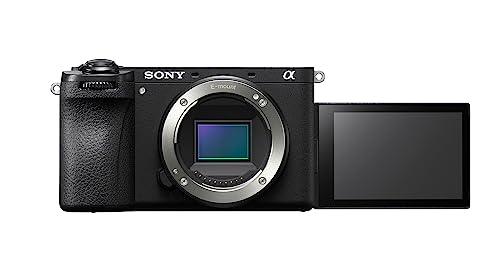
Sony a6700
This compact APS-C body brings modern AI autofocus and a 1.5 times reach advantage in a light package that travels easily. A smart entry into wildlife without a flagship budget.
Pros
- Light and easy to travel with
- Crop boosts telephoto reach
- Modern subject tracking
Cons
- Slower burst than pricier bodies
- Smaller buffer for long action

OM System OM-1 Mark II
The Micro Four Thirds sensor doubles effective focal length, so a compact lens reaches like a huge telephoto while keeping the whole kit light. Exceptional sealing shrugs off dust and rain.
Pros
- Huge effective reach in a small kit
- Outstanding dust and weather sealing
- Very light to carry all day
Cons
- Smaller sensor noisier at dawn and dusk
- Lower resolution than full frame

Canon EOS R5 Mark II
A do it all pro body with a high resolution stacked sensor, eye control autofocus and rapid stacked readout. It handles distant, fast wildlife while giving files with plenty of cropping headroom.
Pros
- High resolution with fast readout
- Advanced subject tracking
- Robust sealed construction
Cons
- Premium price
- Can warm up in long bursts

Nikon Z6 III
With a partially stacked sensor and strong high ISO behavior, this body excels in the dim dawn and dusk hours when animals are most active. A balanced all rounder for varied safari conditions.
Pros
- Strong low light performance
- Fast, capable autofocus
- Good value full frame body
Cons
- Lower resolution limits big crops
- Buffer shorter than flagships
How they compare
| # | Model | Sensor | Best for | Score | Price |
|---|---|---|---|---|---|
| 1 | Sony a9 III | 24MP stacked full frame | Best overall | 9.5 | Check price |
| 2 | Canon EOS R7 | 33MP APS-C | Best value | 9.2 | Check price |
| 3 | Nikon Z8 | 45.7MP stacked full frame | Best image quality | 9.4 | Check price |
| 4 | Sony a6700 | 26MP APS-C | Best budget | 8.9 | Check price |
| 5 | OM System OM-1 Mark II | 20MP Micro Four Thirds | Best for reach and weight | 9.0 | Check price |
| 6 | Canon EOS R5 Mark II | 45MP stacked full frame | Best for pros | 9.3 | Check price |
| 7 | Nikon Z6 III | 24.5MP partially stacked full frame | Best for low light | 8.8 | Check price |
Good to know
What is the most important feature in a safari camera?
Effective telephoto reach and fast, reliable autofocus top the list because animals are distant and quick. Weather and dust sealing follow closely, since game drives expose gear to grit and changeable conditions.
Is a crop sensor camera better for safari?
Crop sensors like APS-C and Micro Four Thirds extend your reach, so a smaller lens frames far away animals tightly. The trade is a little more noise in dim light, which matters most at dawn and dusk.
How much telephoto reach do I need on safari?
Aim for at least 400mm of effective reach, and more is welcome for small or shy subjects. Crop bodies help you hit that number with lighter, cheaper lenses than full frame requires.
Do I really need weather sealing for a safari?
Yes, because open vehicles stir up fine dust that can reach the sensor and controls. A sealed body plus minimal lens swapping in the field greatly reduces the risk of grit related problems.
Which camera is best for low light game drives?
The Nikon Z6 III stands out for dawn and dusk thanks to its strong high ISO performance. Full frame sensors in general handle the dim golden hours better than smaller crop sensors.
Can I use one body and lens for a whole safari?
Absolutely, and it is wise since changing lenses invites dust. A long telephoto zoom on a capable body covers most sightings, and a crop sensor stretches that reach further.
How many spare batteries and cards should I bring?
Plan for at least two or three spare batteries and several fast cards, because long drives with rapid bursts drain power and fill storage. Charge every night, as power access can be limited in camps.
Is the OM System OM-1 Mark II good for safari?
It is a strong choice when you value reach and low weight, since its sensor doubles effective focal length and its sealing is excellent. Just expect a little more noise than full frame in very dim light.
The bottom line
For safari the Sony a9 III is the action specialist, tracking fast wildlife without blackout or distortion, while the Nikon Z8 and Canon R5 Mark II deliver pro files with cropping room. Reach hunters on a budget should grab the Canon EOS R7 or the ultralight OM System OM-1 Mark II, and the Nikon Z6 III wins the low light dawn drives. Prioritize reach, autofocus and sealing, then pack spare batteries and cards.