Camera Tripods Compared by Load Capacity and Portability
Manfrotto Befree Advanced Carbon Fiber leads for balancing load capacity, packed size and setup speed. Peak Design Travel Tripod folds smaller for travel days. Need smooth video pans instead? Vanguard VEO 3 Series 265CB pairs a fluid head with a taller reach, better suited to interviews and moving subjects than a standard ball head.
Three models set the pace here: Manfrotto Befree Advanced Carbon Fiber, Peak Design Travel Tripod, and Vanguard VEO 3 Series 265CB. Each holds a mirrorless or DSLR body steady past eye level while folding small enough for a backpack.
Height and load numbers mean little without a real camera weight to match against them. We compared folded length, max height, head design and leg material, then weighed those specs against owner feedback on wind stability and how fast each tripod sets up in the field.
The shortlist, ranked

Manfrotto Befree Advanced Carbon Fiber Tripod
Twist lock legs made from carbon fiber shave pack weight on long treks to a shooting spot. Load rating reaches 17.6 pounds, enough for a mirrorless or DSLR body paired with a standard lens. Folded to 15.7 inches, it slides into most carry on bags without extra padding.
Pros
- Carbon build cuts weight for travel days
- Folds to 15.7 inches for carry on bags
- Twist locks open and close in seconds
Cons
- Center column height limits low angle shots
- Ball head sold separately from the base kit
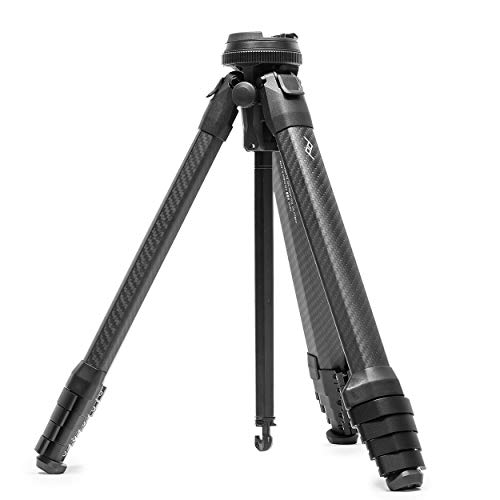
Peak Design Travel Tripod Carbon Fiber
Legs wrap around the center column instead of sitting beside it, shrinking the packed shape to roughly a water bottle. A ball head sits built into the column top, so there is no separate head to buy or lose. Load rating tops out at 20 pounds, covering heavier zoom lenses than most travel tripods allow.
Pros
- Packs smaller than most travel tripods
- Integrated ball head skips a separate purchase
- 20 pound load rating suits heavier zooms
Cons
- Costs more than basic travel tripods
- Leg angle locks take practice to master

Vanguard VEO 3 Series 265CB Tripod
A two way fluid head smooths panning shots that a ball head tends to jerk through. Max height hits 66.5 inches without raising the center column, so the setup stays stable at eye level. Feet swap between rubber and metal spikes, adding grip on grass or dirt during outdoor filming.
Pros
- Fluid head produces smooth video pans
- Reaches 66.5 inches without a raised column
- Swappable feet grip outdoor terrain
Cons
- Heavier to carry than travel focused tripods
- Fluid head costs more than a basic ball head

Amazon Basics 60 Inch Aluminum Tripod
Aluminum legs keep the entry cost down while still reaching 60 inches for standing height portraits. A quarter inch mounting screw fits most point and shoot cameras and small DSLRs. Owners report it handles casual photography and light video well, though heavier telephoto lenses push past its 6.6 pound rating.
Pros
- Low cost entry point for new photographers
- Reaches 60 inches for standing portraits
- Pan and tilt head is simple to learn
Cons
- 6.6 pound load limit rules out heavier lenses
- Legs flex more in wind than carbon builds

JOBY GorillaPod 5K Flexible Tripod
Flexible legs wrap around railings, branches and rocks where standard tripod feet cannot find footing. Load rating reaches 11 pounds, enough for a mirrorless body paired with a mid size lens. At 1.13 pounds, it travels easily as a backup to a full size tripod.
Pros
- Wraps securely around rails and branches
- Weighs 1.13 pounds for easy backup carry
- Built in ball head speeds angle changes
Cons
- Cannot reach standing height like leg tripods
- Grip weakens over time on smooth surfaces

Manfrotto MT055CXPRO4 Carbon Fiber Tripod
Thick carbon legs and a 19.8 pound load rating keep long telephoto lenses from sagging mid shot. A 90 degree column swings horizontal for macro and overhead angles without extra hardware. Wildlife and studio shooters gain a stability margin that lighter travel tripods cannot match.
Pros
- Supports long telephoto lenses without flex
- Horizontal column enables macro and overhead shots
- 70 inch max height skips a shaky column extension
Cons
- Bulkier and heavier for travel days
- More tripod than compact mirrorless setups need

K&F Concept TM2534 Carbon Fiber Tripod
At 3.3 pounds, this carbon build barely adds weight to a hiking pack. One leg detaches to double as a monopod or walking aid on the trail. Three leg angle settings level it out on rocky or sloped ground, and load capacity reaches 17.6 pounds for most mirrorless kits.
Pros
- 3.3 pound weight suits multi hour hikes
- Detachable leg doubles as a monopod
- Three leg angles adapt to uneven terrain
Cons
- Less rigid than heavier studio tripods
- Column hook adds convenience, not real stability
Side by side
| # | Model | Material | Best for | Score | Price |
|---|---|---|---|---|---|
| 1 | Manfrotto Befree Advanced Carbon Fiber Tripod | Carbon fiber legs | Best overall | 9.4 | Check price |
| 2 | Peak Design Travel Tripod Carbon Fiber | Carbon fiber legs | Best value | 9.1 | Check price |
| 3 | Vanguard VEO 3 Series 265CB Tripod | Carbon fiber legs | Best for video | 8.8 | Check price |
| 4 | Amazon Basics 60 Inch Aluminum Tripod | Aluminum legs | Best budget | 8.0 | Check price |
| 5 | JOBY GorillaPod 5K Flexible Tripod | Flexible wrapping legs | Best for tight or uneven spots | 8.5 | Check price |
| 6 | Manfrotto MT055CXPRO4 Carbon Fiber Tripod | Carbon fiber legs | Best for heavy lenses | 8.9 | Check price |
| 7 | K&F Concept TM2534 Carbon Fiber Tripod | Carbon fiber legs | Best for hiking | 8.3 | Check price |
How to choose
What load capacity and height actually tell you A tripod rated below your camera and lens sags or drifts during longer exposures. Include the lens hood, flash and any cage when you total the weight, not just the body alone. Manufacturers list a ceiling number, so working near that limit leaves little margin in wind or on soft ground. A column raised to reach eye level adds wobble that a taller leg design avoids.
Choosing a head for photography or video Ball heads swing into position quickly, which suits landscapes, portraits and general stills. Fluid heads resist jerky motion during pans, a real advantage for interviews and moving subjects. Pan and tilt heads split the difference, offering separate axis control at a lower price than a true fluid design. Beginners often start with pan and tilt before upgrading to a ball head for speed.
Packing size for travel, hiking and tight spots Folded length decides whether a tripod slides into carry on luggage or a daypack side pocket. Travel focused designs fold legs around the head or column to shave inches off the packed size. Weight matters just as much on multi hour hikes, where every extra pound adds up. For railings, branches or rocks, a flexible leg design reaches spots a standard leg tripod cannot stand on.
Materials and stability for heavy lenses or rough terrain Carbon fiber dampens vibration better than aluminum and weighs less at the same rigidity, though it costs more upfront. Thicker leg tubes and a higher load rating keep long telephoto lenses steady without sag. Adjustable leg angles let a tripod sit level on stairs, slopes or rocky trails. Feet that swap between rubber and metal spikes add outdoor grip without a second tripod purchase.
Common questions
What load capacity do I need for a DSLR tripod?
Add your heaviest lens to the camera body weight, then build in a few pounds of margin. Most mirrorless kits stay under 15 pounds, so a tripod rated near 17 to 20 pounds leaves room to spare.
Is carbon fiber worth it over aluminum?
Carbon fiber cuts weight and absorbs vibration better, which shows up most on long telephoto shots and windy days. Aluminum costs less and works fine for casual or occasional use.
Which tripod folds smallest for travel?
Peak Design Travel Tripod and Manfrotto Befree Advanced Carbon Fiber both fold short enough for carry on luggage while still supporting a mirrorless kit.
Can a photo tripod work for video too?
Yes, though a fluid style head like the one on Vanguard VEO 3 Series 265CB smooths pans better than a standard ball head, which tends to jerk during motion.
How tall should a tripod be for eye level shots?
Look for a max height near or slightly above eye level without raising the center column, since column extension adds wobble.
What is a detachable monopod leg used for?
Some tripods, including K&F Concept TM2534, let one leg detach to work as a standalone monopod for faster setup or as a walking support on trails.
Does a GorillaPod replace a standard tripod?
Not for standing height shots, but a flexible design like JOBY GorillaPod 5K grips railings, branches or rocks where a leg tripod cannot stand at all.
How much tripod does a beginner actually need?
A budget aluminum model with a basic pan and tilt head, similar to Amazon Basics 60 Inch, covers casual photography before stepping up to carbon fiber.
Ball head vs fluid head, which is better?
Ball heads adjust angle faster for stills, while fluid heads resist jerky motion during video pans. Choose based on whether photos or video make up more of your shooting.
Our pick
Manfrotto Befree Advanced Carbon Fiber suits most photographers who want a balance of load capacity, packed size and quick setup. Peak Design Travel Tripod is the pick when packed size matters most. Filming interviews or events? Vanguard VEO 3 Series 265CB pairs a fluid head with pan control a ball head cannot match.